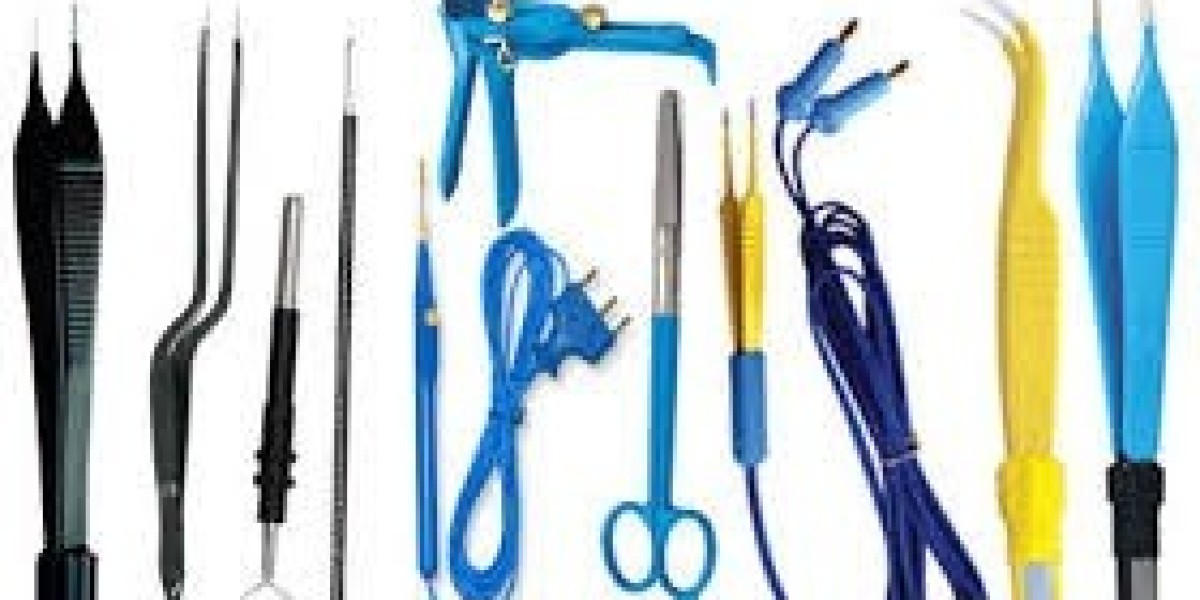

Medical Instrument Manufacturer Near Me
Medical instruments play an essential role in modern healthcare. Doctors, surgeons, nurses, laboratory professionals, and other medical specialists depend on properly designed instruments to perform clinical procedures and provide patient care. From basic examination tools to specialised surgical equipment, every instrument must meet appropriate quality and safety requirements. This is why hospitals, clinics, laboratories, and healthcare businesses often search for a medical instrument manufacturer near me when looking for dependable equipment and professional manufacturing services.
Choosing the right manufacturer involves more than finding a nearby supplier. Healthcare professionals need to consider product quality, material selection, manufacturing standards, precision, durability, and the intended use of each instrument. A reliable manufacturer understands the importance of producing equipment that supports accurate medical work and meets the practical needs of healthcare environments.
Why Medical Instrument Manufacturing Matters
Medical instrument manufacturing is an important part of the healthcare industry. Medical professionals use specialised tools to examine patients, perform procedures, collect samples, and carry out different clinical activities. The quality of these instruments can influence the efficiency and reliability of medical work.
Manufacturers must understand the technical requirements of each product. Instruments should be designed according to their intended applications, with attention to shape, dimensions, material strength, finishing, and functionality. Even small design details can affect how comfortably and accurately a medical professional handles an instrument.
A responsible manufacturing process focuses on consistency and quality at every stage. From selecting raw materials to inspecting finished products, each step contributes to the performance and reliability of the final instrument.
Understanding Different Types of Medical Instruments
Medical instruments are used across various healthcare departments, and each category serves a different purpose. Surgical instruments are designed to assist medical professionals during surgical procedures. These may include scissors, forceps, clamps, needle holders, retractors, and other specialised tools.
Diagnostic instruments help healthcare professionals examine patients and assess different health conditions. These include examination tools and equipment used in routine clinical settings. Laboratory instruments support sample handling, testing, and other scientific activities.
Dental instruments are designed for oral examinations and dental procedures, while specialised instruments are used in fields such as ophthalmology, orthopaedics, and gynaecology.
A professional medical instrument manufacturer should understand the requirements of the product category it produces. The design, material, and finishing must be appropriate for the instrument's intended application.
Why Search for a Medical Instrument Manufacturer Near Me?
Searching for a medical instrument manufacturer near me helps hospitals, clinics, distributors, and healthcare businesses explore manufacturing options within their preferred area. Working with a nearby manufacturer may make communication, product discussions, order coordination, and quality inspections more convenient.
Local manufacturers can also help customers discuss specific product requirements directly. For example, a hospital may need particular instrument dimensions, while a medical distributor may require consistent product designs for its inventory.
However, location should not be the only factor when selecting a manufacturer. Customers should also evaluate production capabilities, material quality, technical knowledge, inspection procedures, and the manufacturer's ability to meet relevant industry requirements.
Importance of Stainless Steel in Medical Instrument Manufacturing
Material selection is one of the most important aspects of medical instrument manufacturing. Stainless steel is widely used for many reusable medical and surgical instruments because of its strength, corrosion resistance, and suitability for different manufacturing processes.
The specific grade of stainless steel should be selected according to the instrument's intended use and applicable technical requirements. Proper material selection helps support durability and resistance to corrosion under appropriate handling and reprocessing conditions.
Manufacturers must also pay attention to the finishing process. Smooth surfaces, accurate edges, properly aligned components, and carefully finished joints contribute to the instrument's usability. Poor finishing may affect handling, cleaning, and overall performance.
A dependable manufacturer understands that material quality and workmanship must work together to produce suitable medical instruments.
Precision and Quality Control in Manufacturing
Precision is essential when producing medical instruments. Products must be manufactured according to suitable dimensions and functional requirements. Small differences in alignment, grip, movement, or finishing can affect the way an instrument performs.
Quality control helps manufacturers identify defects and maintain consistent production standards. Inspection procedures may include checking dimensions, surface finishing, joint movement, alignment, and the overall condition of finished products.
Manufacturers should maintain organised production records and follow documented procedures. Where applicable, they should also work according to relevant quality management systems and medical device regulatory requirements.
For healthcare customers, asking about quality inspection processes can provide useful information about a manufacturer's approach to product reliability.
Custom Medical Instrument Manufacturing Solutions
Different healthcare facilities may have different instrument requirements. A general-purpose product may not always meet the needs of a specialised medical department. This is where custom manufacturing can become useful.
Custom medical instrument manufacturing involves producing instruments according to specific technical designs, dimensions, and functional requirements. Hospitals, medical equipment distributors, and specialised healthcare businesses may request particular designs for their operations.
A successful custom manufacturing process begins with clear communication. Customers should explain the intended application, material requirements, product dimensions, and any relevant technical specifications. Manufacturers can then assess whether the requested design is suitable for production.
Technical drawings, product samples, and design discussions can help reduce misunderstandings. Clear specifications also make it easier to evaluate whether the finished instrument meets the intended requirements.
Medical Instrument Manufacturing for Hospitals and Clinics
Hospitals and clinics use a wide range of instruments throughout their daily operations. Surgical departments require specialised tools, while examination rooms need equipment for routine patient assessments. Different departments may also require instruments designed for particular medical procedures.
A reliable manufacturer should understand the importance of consistent product quality for healthcare institutions. Instruments must be suitable for their intended applications and supported by appropriate product information.
Hospitals should consider their actual clinical requirements before selecting instruments. They should also verify that products meet relevant regulatory and safety requirements and are suitable for the facility's cleaning, disinfection, or sterilisation procedures.
The right manufacturing partner can help healthcare facilities identify appropriate products and maintain a more organised equipment procurement process.
The Role of Manufacturing Technology
Modern manufacturing technology has improved the way medical instruments are designed and produced. Advanced machining equipment, precision cutting processes, and specialised finishing techniques can help manufacturers achieve accurate product dimensions and consistent results.
Computer-aided design can support the development of detailed product models and technical drawings. These designs help manufacturers understand the shape, measurements, and functional requirements of an instrument before production begins.
Technology alone does not guarantee quality. Skilled technicians, experienced engineers, suitable materials, and proper inspection procedures remain essential. A combination of technical knowledge and controlled manufacturing processes helps produce instruments that meet their intended specifications.
Hygiene, Cleaning, and Sterilisation Considerations
Medical instruments must be suitable for the cleaning and reprocessing procedures required for their intended use. Reusable instruments may need to undergo cleaning, disinfection, and sterilisation according to validated instructions.
Manufacturers should consider these requirements during product design and material selection. Instrument surfaces, joints, and construction should be appropriate for the recommended reprocessing methods.
Healthcare facilities must follow the manufacturer's instructions and established infection prevention procedures. They should also ensure that instruments are inspected before use and removed from service when damaged or unsuitable.
It is important to understand that a medical instrument is not automatically sterile simply because it has been manufactured. Sterility depends on the appropriate validated processing, packaging, and handling procedures.
How to Choose the Right Medical Instrument Manufacturer
Selecting a suitable manufacturer requires careful evaluation. Customers should first identify the type of instruments they need and understand the technical requirements of each product.
The manufacturer's experience in the relevant product category is another important consideration. A company specialising in surgical instruments may have different capabilities from one focused on diagnostic or laboratory equipment.
Customers should also ask about material specifications, production methods, quality inspections, product documentation, and applicable certifications. Where regulatory requirements apply, they should verify the manufacturer's compliance rather than relying only on general claims.
Communication is equally important. A professional manufacturer should be able to understand customer requirements, explain production capabilities, and provide clear information about product specifications.
Medical Instrument Manufacturing Industry in Pakistan
Pakistan has an established surgical instrument manufacturing sector, particularly in Sialkot. The industry produces a range of surgical and medical instruments for domestic and international markets.
Manufacturing businesses in this sector contribute to employment, technical skills, industrial development, and export activity. Their work involves different stages, including material preparation, shaping, machining, finishing, assembly, and inspection.
The industry continues to benefit from skilled craftsmanship and improvements in manufacturing processes. For healthcare buyers, understanding the manufacturer's specialisation and quality systems remains important when selecting suitable products.
Why Choose a Professional Medical Instrument Manufacturer?
A professional manufacturer focuses on product requirements rather than simply completing production orders. It understands that medical instruments are used in environments where accuracy, hygiene, and reliability matter.
Professional manufacturing involves careful material selection, skilled workmanship, suitable production equipment, and organised quality checks. Manufacturers should also provide clear product specifications and relevant handling or reprocessing information.
For distributors and healthcare institutions, working with a manufacturer that communicates clearly can make product selection and procurement more organised. It also helps customers understand whether the instruments meet their intended applications.
Find Suitable Medical Instrument Manufacturing Solutions
Finding a medical instrument manufacturer near me is an important step for healthcare businesses, hospitals, clinics, and distributors looking for suitable medical equipment. However, the best choice should be based on manufacturing expertise, product quality, material selection, precision, and relevant compliance requirements.
Pakistan's medical instrument manufacturing sector offers opportunities for businesses seeking locally manufactured surgical and healthcare equipment. By evaluating technical capabilities and asking the right questions, customers can make informed decisions about their manufacturing requirements.
Whether you need surgical instruments, diagnostic tools, or specialised medical equipment, choosing a manufacturer that understands your requirements can support better procurement and product consistency. Focus on quality, reliable communication, and appropriate manufacturing standards to find a suitable partner for your healthcare equipment needs.