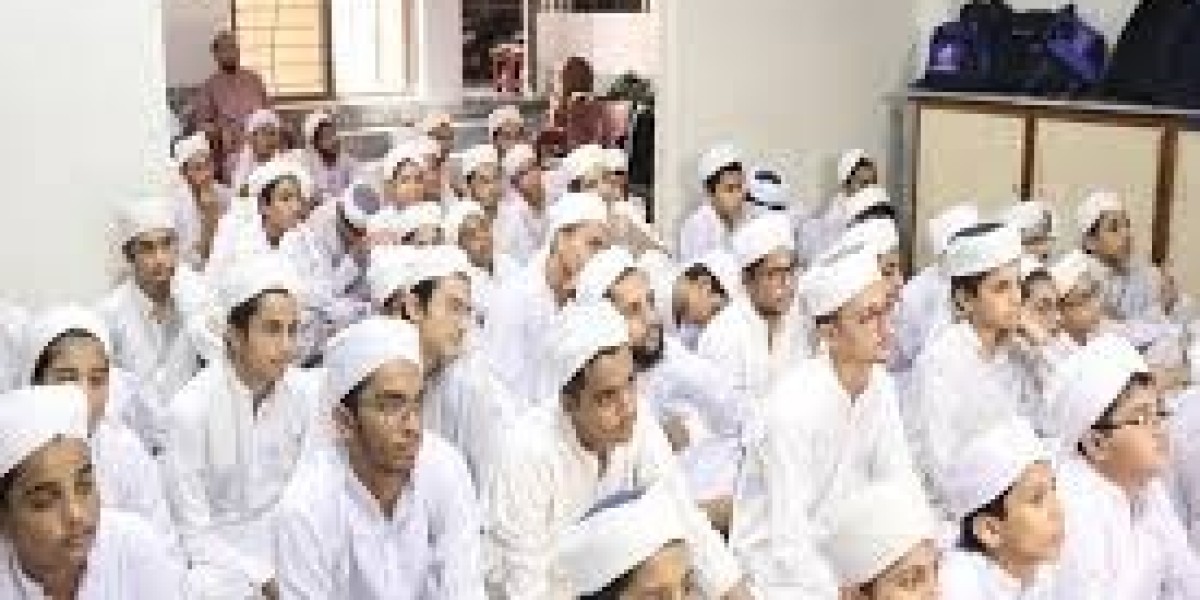

Islamic Schools Near Me
Choosing the right school is one of the most important decisions parents make for their children's future. Every parent wants an educational environment where children can develop strong academic skills, build good character, and learn values that guide them throughout life. For families looking for a balanced approach to education, searching for Islamic schools near me is an important step towards finding an institution that combines modern learning with Islamic teachings.
Islamic schools provide an educational environment where students can study regular academic subjects while developing an understanding of the Quran, Islamic history, manners, and religious responsibilities. These institutions aim to support children's intellectual, moral, and spiritual development. However, choosing a suitable school requires parents to look beyond its name and understand its teaching approach, educational standards, learning environment, and overall commitment to student development.
Why Parents Search for Islamic Schools Near Me
Parents often prefer a school that offers convenient access and an educational environment aligned with their family values. Searching for Islamic schools near me helps families explore institutions within their surrounding areas and understand which options may be suitable for their children.
A nearby school can make daily travel easier and help children maintain a more organised routine. It can also allow parents to stay connected with teachers and participate in school activities. However, location should not be the only deciding factor. The quality of education, teacher experience, classroom environment, and Islamic learning programme are equally important.
The right school should provide children with opportunities to develop academically while learning the importance of honesty, respect, kindness, discipline, and responsibility.
Combining Modern Education with Islamic Teachings
Education is not limited to textbooks, examinations, and classroom activities. Children also need guidance that helps them understand their responsibilities and develop positive habits. Islamic schools aim to combine academic learning with moral and religious education.
Students may study subjects such as English, mathematics, science, social studies, and computer education alongside Quran learning, Islamic studies, and the teachings of Prophet Muhammad (peace be upon him). This combination can help children understand the importance of gaining knowledge while maintaining strong moral values.
An effective Islamic school does not treat religious education and academic subjects as separate parts of a child's development. Instead, it creates an environment where students can apply positive Islamic values in their everyday behaviour, classroom interactions, and relationships with others.
The Importance of Quran Education in Early Childhood
The Quran holds a central place in Islamic education. Introducing children to Quran learning at an appropriate age can help them develop familiarity with its recitation and teachings. Islamic schools often include Quran education as part of their learning programmes.
Children may begin by recognising Arabic letters, learning correct pronunciation, and practising basic recitation. As their understanding develops, they can progress towards reading the Quran with proper guidance. Some institutions also offer opportunities for students interested in memorising the Quran.
Teachers play an important role in making Quran education meaningful and accessible. They should guide students patiently, correct pronunciation carefully, and create a positive learning environment. Children should feel encouraged to improve their recitation without unnecessary pressure.
Learning Islamic Manners and Good Character
One of the important aims of Islamic education is character development. Children learn that good behaviour is an essential part of everyday life. Respecting parents, speaking politely, helping others, keeping promises, and treating classmates fairly are values that can be encouraged through regular school activities.
Islamic schools can support character development by connecting classroom lessons with practical examples. Teachers can demonstrate respectful communication, encourage teamwork, and guide students when they face disagreements. These experiences help children understand that Islamic manners should be reflected in their actions.
A positive school environment also teaches students to take responsibility for their behaviour. When teachers and school management demonstrate the values they teach, children are more likely to understand and follow those principles.
What Makes a Good Islamic School?
Finding a suitable Islamic school requires parents to consider several aspects of the institution. A strong educational programme should provide a clear academic curriculum and an organised approach to Islamic studies. Parents should understand how the school balances these two areas throughout the academic year.
Teacher quality is another important consideration. Educators should have the knowledge, communication skills, and patience needed to work with children. Quran and Islamic studies teachers should be able to explain lessons according to students' learning levels.
The classroom environment also matters. Clean facilities, organised learning spaces, appropriate supervision, and respectful communication help children feel comfortable at school. Parents should also understand how the institution handles student safety, discipline, attendance, and communication with families.
Academic Development and Classroom Learning
Islamic values and academic excellence can support each other. Children need strong educational foundations to understand the world, develop useful skills, and prepare for future opportunities. A good Islamic school should therefore take academic learning seriously.
Subjects such as mathematics develop logical thinking, while science encourages curiosity and observation. English and Urdu support communication, reading, and writing skills. Computer education can introduce students to useful digital knowledge and responsible technology use.
Teachers should use age-appropriate methods to explain lessons and encourage students to participate. Classroom discussions, practical activities, reading exercises, and creative projects can make learning more engaging.
Regular assessments also help teachers understand student progress. Instead of focusing only on examination results, schools should identify learning difficulties and provide suitable guidance so that every child has an opportunity to improve.
A Supportive Environment for Personal Growth
Children learn more effectively when they feel respected, secure, and supported. A positive school environment allows students to ask questions, express ideas, and develop confidence. Islamic schools can encourage these qualities by maintaining respectful relationships between teachers and students.
Discipline should be based on guidance, fairness, and clear expectations. Students need to understand why good behaviour matters rather than simply following instructions out of fear. Teachers can help children develop self-control, patience, and responsibility through everyday classroom experiences.
Friendships also influence a child's development. A school that promotes cooperation and kindness can help students build healthy relationships. Group activities and shared learning experiences allow children to appreciate different abilities and learn how to work together.
How Islamic Schools Support Parents in Raising Children
Parents play the most important role in a child's upbringing, but schools can provide valuable support. When educational institutions and families share similar values, children receive more consistent guidance.
Islamic schools can strengthen this connection through parent-teacher meetings, progress updates, educational events, and discussions about student development. These activities allow parents to understand their child's academic performance and behaviour at school.
Families can also reinforce classroom lessons at home by encouraging regular reading, respectful communication, Quran learning, and responsible habits. A cooperative relationship between parents and teachers creates a stronger foundation for a child's development.
Islamic Schools for Different Age Groups
Children have different learning needs at different stages of development. Early childhood education should focus on basic communication, social interaction, confidence, and introducing simple Islamic concepts. Young learners benefit from a friendly environment where lessons include stories, activities, and practical examples.
Primary-level students need a more structured academic routine. At this stage, they can develop reading, writing, mathematics, and problem-solving skills while improving their understanding of Quran and Islamic studies.
Older students require opportunities to develop independent thinking, responsibility, and a deeper understanding of their subjects. Islamic education can introduce them to important historical events, Islamic teachings, ethical responsibilities, and the practical application of religious values.
Parents should ask about the school's educational structure and whether its programmes are suitable for their child's current learning stage.
Why School Location and Accessibility Matter
When families search for Islamic schools near me, accessibility is often one of their main concerns. A convenient location can help children follow a consistent daily schedule and reduce the difficulties associated with long journeys.
Parents should consider the available transport arrangements, school timings, surrounding environment, and travel routine. It is also helpful to visit the institution to understand its surroundings and daily arrangements.
However, a school should not be selected only because it is close to home. Parents should compare the overall learning environment and educational approach before making a decision. A suitable institution should meet the child's academic and personal development needs while remaining practical for the family.
Baitulnoor and the Importance of Islamic Learning
Baitulnoor represents an educational approach that places importance on Islamic learning, Quran education, and the development of good character. Families exploring Islamic education can consider the value of an environment where religious understanding and positive manners receive proper attention.
Islamic learning becomes more meaningful when students are encouraged to understand their lessons and apply them in everyday life. Children need patient teachers, clear explanations, and opportunities to develop good habits through practical guidance.
An institution committed to Islamic education can help students build a stronger connection with their religious values while continuing their academic journey. Parents should explore the educational structure and available programmes to understand whether they match their children's needs.
Questions Parents Should Ask Before Choosing a School
Before finalising admission, parents should visit the school and speak with its administration. Understanding the curriculum, teaching methods, teacher qualifications, classroom arrangements, and student supervision policies can help families make a confident decision.
It is also useful to ask how Quran education is organised and whether students receive individual attention when they need additional support. Parents should understand how the school communicates academic progress and deals with student concerns.
A visit can provide a better understanding of the institution than relying on general descriptions alone. Observing classrooms, meeting teachers, and learning about daily routines can help parents decide whether the environment is suitable for their child.
Give Your Child a Strong Foundation Through Islamic Education
Choosing the right educational institution can have a lasting influence on a child's learning, confidence, and character. A suitable Islamic school should provide meaningful academic education while encouraging Quran learning, good manners, discipline, and respect for others.
When exploring Islamic schools near me, parents should consider educational quality, teacher experience, religious learning, student safety, and the overall school environment. The best choice is an institution that understands the importance of developing both knowledge and character.
Baitulnoor reflects the value of Islamic learning and positive character development. By choosing an educational environment that supports academic progress alongside Islamic values, parents can help their children build a strong foundation for a responsible and meaningful future.