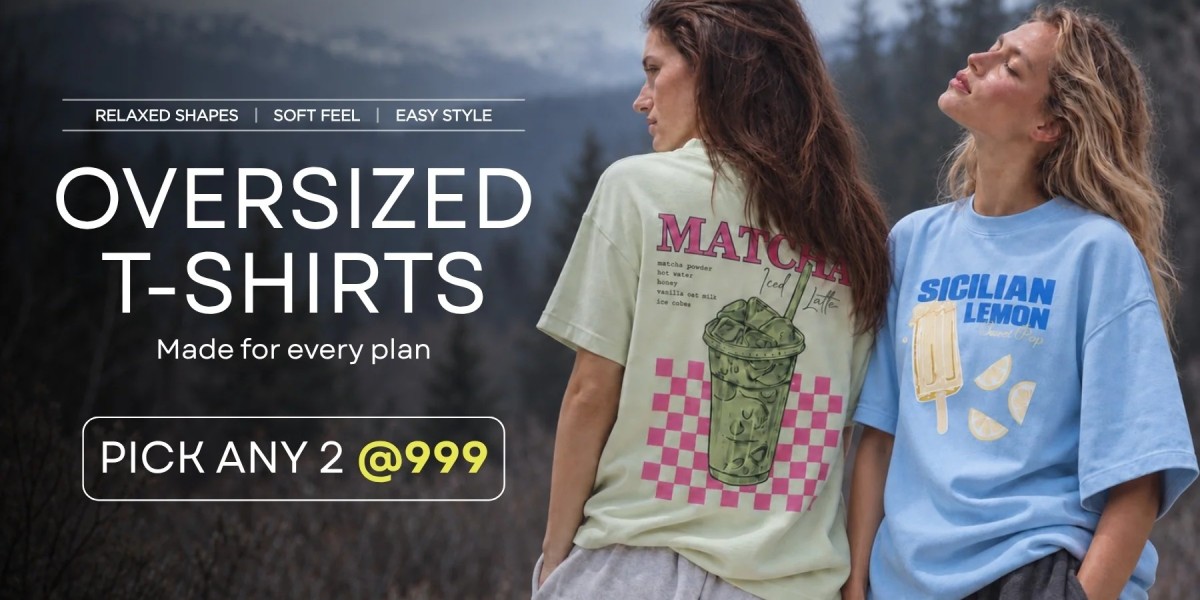

Open any online store or Instagram page in Pakistan and you’ll notice something odd. One oversized t-shirt costs a few hundred rupees, another costs several times more, and both look almost the same in the photos. It’s natural to wonder whether the expensive one is really better or whether you’re just paying for a brand name.
The truth is somewhere in the middle. Price does reflect real differences in fabric, construction, printing and service, but it can also include markups that add nothing to the shirt. Once you know what drives the cost, you can judge any listing quickly and spend your money where it counts. In this guide, we’ll break down every major factor that affects oversized tee prices, show you what’s worth paying for and share tips for getting real value. If you’re also comparing graphic t shirts Pakistan sellers offer, the same cost factors apply to almost every listing you’ll see.
Why Oversized Tees Cost What They Do
An oversized tee is not simply a regular shirt in a bigger size. It uses more fabric, a different pattern and often heavier material to hold its shape. Those differences show up in the price before you even consider the brand or print.
The main cost drivers are:
- Fabric type and weight
- Cut and construction quality
- Print or embroidery method
- Brand and positioning
- Sales channel and overheads
- Packaging, delivery and service
- Seasonal demand
Let’s go through each one.
Factor 1: Fabric Type
Fabric is usually the biggest part of the cost.
- Basic carded cotton is the cheapest. It can feel rough and pill sooner.
- Combed cotton removes short fibers, so it feels smoother and lasts longer. It costs more to produce.
- Ring-spun cotton is spun for softness and durability, often paired with combed cotton.
- Organic or premium long-staple cotton sits at the top of the range.
- Cotton-polyester blends can be cheaper and resist wrinkles, but they usually feel warmer.
A shirt made from combed, ring-spun cotton costs more than one made from basic cotton, but you can feel the difference and it holds up better after repeated washing.
Factor 2: Fabric Weight (GSM)
GSM, or grams per square meter, tells you how much fabric is used per area. More fabric means higher material cost.
- Under 160 GSM: Light and cheap, but often flimsy and see-through. Weak for an oversized cut.
- 160 to 200 GSM: A comfortable middle range suited to hot weather.
- 200 to 240 GSM: The sweet spot for structured oversized tees. It costs more but drapes cleanly and looks premium.
- 240 GSM and above: Heavy, boxy and expensive, ideal for streetwear and winter.
If two shirts are priced very differently and neither lists GSM, ask the seller. A big price gap often comes down to weight alone.
Factor 3: Cut and Construction
Oversized tees need careful patterning. A proper dropped shoulder, boxy body, wider sleeves and longer hem take more fabric and more skill than a standard cut.
Quality construction includes:
- Double-stitched seams that don’t twist or split
- A thick ribbed collar that keeps its shape
- Consistent sizing across batches
- Clean finishing with no loose threads
Cheaper shirts often cut corners here. The result is a collar that stretches after a few washes and seams that sit crooked. For a deeper look at how fit and cut differ between styles, the guide Oversized vs Regular Fit T-Shirts: What’s the Difference? explains how fabric, comfort and body type change what you should expect from each cut.
Factor 4: Pre-Treatment and Finishing
Some shirts go through extra processes before they reach you.
- Pre-shrunk: Reduces shrinkage after washing.
- Bio-washed or enzyme-washed: Gives a softer feel and a smoother surface.
- Garment-dyed or acid-washed: Creates a vintage look but adds cost.
- Mercerized: Improves strength and color absorption.
These steps raise the price slightly but often improve how the shirt looks and lasts.
Factor 5: Prints, Graphics and Embroidery
For graphic tees, the print can cost more than the shirt itself.
- Basic transfers or cheap heat press are inexpensive but can crack and fade quickly.
- Screen printing is durable and works best for larger batches.
- DTF (direct to film) allows detailed designs and lasts well when done properly.
- Puff, high-density or textured prints cost more and give a premium feel.
- Embroidery is one of the costliest finishes because of the time and thread involved.
A large back print with several colors takes more work than a small chest logo, so it naturally costs more. If you’re comparing two printed tees, check customer photos to see how the design looks after washing.
Factor 6: Design Originality
An original design by a local artist costs more to create than a copied or generic graphic. Limited drops and small batches also tend to cost more per piece. If a design feels fresh and well made, part of what you pay supports the artist and the brand behind it.
Factor 7: Brand and Positioning
A known brand with a consistent reputation can charge more because buyers trust the quality, sizing and customer service. This isn’t always unfair. Established brands invest in testing, patterns and quality control.
But brand alone shouldn’t decide the price you accept. Compare the actual details: fabric, GSM, stitching and policies. A smaller seller with transparent information may offer better value than a famous label with a high markup.
Factor 8: Sales Channel and Overheads
Where a shirt is sold affects its price.
- Instagram and small online shops have low overheads and can price competitively.
- Brand websites carry costs for web development, photography, customer support and logistics.
- Marketplaces charge sellers commission, which may be reflected in the price.
- Physical stores and malls include rent and staff costs.
Higher overheads don’t always mean better quality, but they often explain part of the gap.
Factor 9: Packaging, Delivery and Service
The final price can include more than the shirt.
- Packaging quality: Neat, protective packing costs more.
- Delivery charges: Free delivery may already be built into the price, while a lower price may add shipping later.
- Cash on delivery fees: Some sellers charge extra for this option.
- Exchange and return support: Easy exchanges cost the seller money and are often reflected in pricing.
When comparing two shirts, always add delivery and any extra fees to get the real total.
Factor 10: Seasons, Sales and Demand
Prices change through the year. Winter often brings sales on summer stock, and festive occasions bring discounts. High-demand colors and limited designs may cost more at launch and drop later. Following your favorite shops can help you buy at a better time.
Cheap vs Mid-Range vs Premium: What to Expect
Budget tees:
- Lighter fabric, often under 180 GSM
- Basic cotton and simple prints
- Less consistent sizing
- Good for occasional wear, but may lose shape quickly
Mid-range tees:
- Combed or ring-spun cotton around 200 GSM
- Better stitching and neat prints
- Clearer size charts and some exchange options
- The best value for most people
Premium tees:
- Heavyweight cotton at 220 to 260 GSM
- Special finishes, strong collars and refined patterns
- Original designs and careful quality control
- Best for those who want long-lasting streetwear staples
Most buyers find the mid-range offers the strongest balance between price and quality.
How to Judge Value for Money
Instead of asking “Is this cheap?” ask “What am I getting for this price?”
- Cost per wear. A tee that lasts two years and gets worn fifty times costs less per use than a cheap one that loses shape after five washes.
- Fabric details. Look for cotton type and GSM.
- Reviews. Check comments on thickness, shrinkage and print quality.
- Size chart. Real measurements show the seller is being honest.
- Exchange policy. Easy exchanges reduce the risk of wasted money.
- Total price. Add shipping and extra charges.
Red Flags: When Low Prices Are Too Good to Be True
- No fabric or GSM information
- Vague claims like “premium quality” with nothing else
- Stolen or heavily edited photos
- No size chart
- No reviews or real customer pictures
- Pressure to pay in advance with no protection
A price far below the normal range usually means a compromise somewhere, whether in fabric, stitching or service.
Smart Ways to Save Without Losing Quality
- Buy neutral colors such as black, white, sand and olive, which go with everything and stay wearable for years.
- Choose mid-range quality instead of the cheapest or most expensive option.
- Watch for seasonal sales and bundle deals.
- Buy fewer, better tees rather than many weak ones.
- Care for your shirts. Wash inside out in cold water, avoid hot dryers and air dry in the shade to protect fabric and prints.
- Order the right size. Compare measurements so you don’t pay for returns or exchanges.
Common Mistakes When Comparing Prices
- Choosing by price alone. Cheap can cost more over time.
- Ignoring GSM. Two shirts at different weights are not equal.
- Forgetting delivery fees. They change the final cost.
- Skipping reviews. They show what listings leave out.
- Ordering the wrong size. Exchanges cost time and sometimes money.
- Paying for a brand name only. Always check what’s behind the price.
Final Thoughts
Oversized t-shirt prices in Pakistan vary because the shirts themselves vary. Fabric type, GSM, cut, finishing, print method, brand and service all play a part. A higher price can mean better cotton, stronger stitching and a design that lasts, but not always, so it pays to check the details.
Before you buy, look at the fabric and GSM, read honest reviews, compare the size chart with your own measurements and confirm the exchange policy. Do that, and you’ll spend less time guessing and more time wearing a shirt that feels right, fits well and is worth every rupee.




