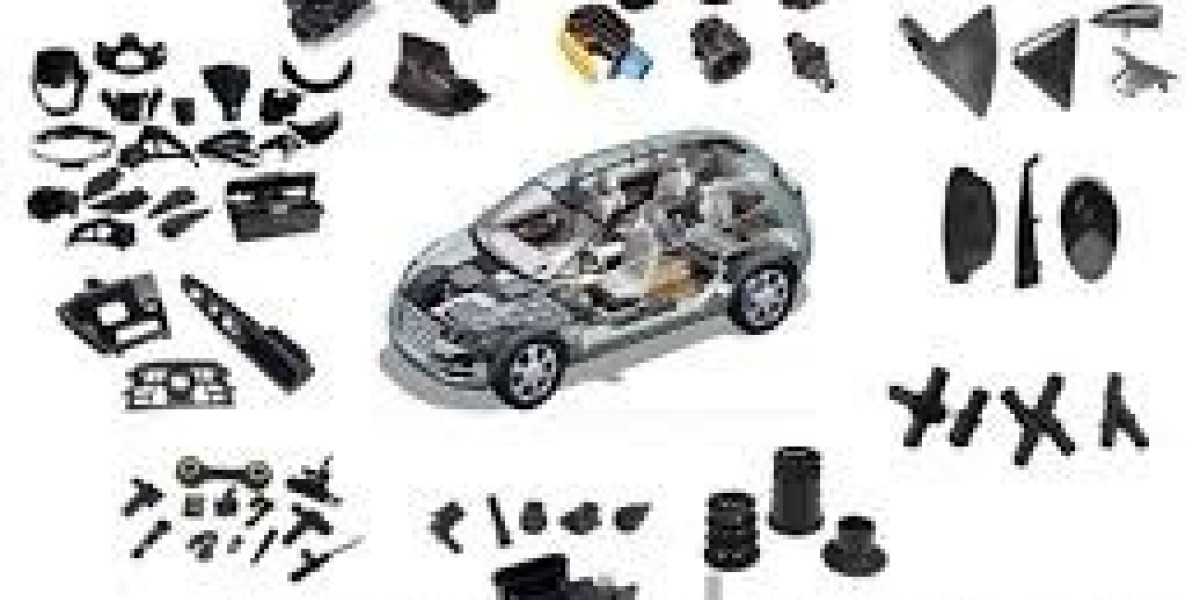

Automotive components are becoming increasingly integrated as manufacturers seek to improve vehicle performance, reduce weight, and simplify assembly. Plastic and molded components are widely used in interior structures, exterior covers, lighting assemblies, electrical enclosures, and functional mounting systems. Each application introduces different requirements for mechanical strength, dimensional accuracy, surface appearance, and environmental resistance. A properly engineered Automotive Parts Mold must translate these requirements into a reliable manufacturing tool while considering material behavior, cavity structure, cooling efficiency, and long-term production stability.
The development process begins with an assessment of the component's geometry and intended operating conditions. Engineers examine wall thickness, draft angles, ribs, bosses, openings, fastening points, and undercut features. These details influence the mold's parting line, cavity arrangement, and ejection method. For example, a housing with side openings may require sliding mechanisms, while a component with deep ribs may need special attention during release. The design should also identify critical dimensions that affect assembly with neighboring parts. Early cooperation between the product designer and tooling engineer can reduce unnecessary complexity and prevent avoidable modifications after machining has started.
Material selection determines many of the decisions made during mold design. Polypropylene is frequently used for lightweight components that require practical processing characteristics and chemical resistance. ABS is suitable for various parts where surface appearance and impact performance are important. Polyamide, polycarbonate, and reinforced engineering plastics may be selected for applications involving higher mechanical or thermal demands. Each resin has different shrinkage, flow, and cooling characteristics. Engineers need to consider these properties when determining cavity dimensions, gate positions, runner design, and processing conditions. The material should be selected according to actual application requirements rather than simply choosing the lowest-cost option.
The mold structure must provide accurate geometry and controlled material distribution. Core and cavity inserts establish the component's shape, while the runner and gate system direct molten polymer into the cavity. Gate placement affects filling patterns, weld-line locations, and pressure distribution. Poor venting can trap air and result in burn marks or incomplete filling, particularly around narrow sections and deep features. Mold flow analysis helps engineers evaluate potential filling difficulties and compare alternative layouts before the tool is manufactured. This process can reduce development uncertainty and support more informed decisions about cavity design.
Thermal management is another major factor in mold performance. The polymer must cool sufficiently before ejection, but different areas of a component may release heat at different rates. Thick bosses, reinforcing ribs, and large flat surfaces can create uneven temperature distribution. If cooling is not balanced, the molded part may develop sink marks, residual stress, or warpage. Cooling channels should be arranged to provide effective heat removal while maintaining the strength of the mold structure. Their layout should also allow access for inspection and cleaning, helping preserve performance during extended production.
Precision manufacturing is essential for reproducing the approved component geometry. CNC machining can produce complex cavity profiles, mounting surfaces, and accurate fitting features. Electrical discharge machining is useful for narrow grooves, detailed recesses, and shapes that are difficult to achieve through conventional cutting. Depending on the component, cavity surfaces may require polishing or texturing to meet cosmetic and functional expectations. Mold base alignment, guide components, sliders, lifters, and ejector systems must be assembled carefully. Inspection at different manufacturing stages helps identify dimensional deviations before they influence trial molding.
Ejection design deserves particular attention because it directly affects the condition of the finished component. Ejector pins, sleeves, lifters, and slides must release the part without creating unacceptable marks or deformation. Thin walls, deep ribs, and delicate clips may require carefully distributed release forces. In some applications, the location of ejection features must be coordinated with the product's visible surfaces and assembly interfaces. A reliable release system improves cycle consistency and reduces the likelihood of damage during automated or manual removal.
Mold trials verify whether the tooling performs correctly under actual production conditions. Engineers examine filling, packing, cooling, demolding, surface appearance, and dimensional accuracy. Processing settings are adjusted according to the selected material and component geometry. If short shots, flash, sink marks, or warpage appear, the team should investigate the underlying cause rather than treating each defect as an isolated problem. The source may involve material behavior, gate design, venting, cooling balance, cavity dimensions, or machine settings. Documented trial results create a useful foundation for process optimization and repeatable manufacturing.
After approval, preventive maintenance helps protect the mold and maintain production consistency. Cleaning cavity surfaces, checking vents, lubricating moving mechanisms, and inspecting wear areas can prevent gradual deterioration. Cooling channels should also be monitored because deposits or restrictions may reduce heat transfer. Regular dimensional checks and maintenance records help production teams recognize changes before they affect large quantities of components. For automotive programs, this ongoing control is important because component interchangeability and assembly accuracy must remain consistent across manufacturing batches.
Selecting a tooling partner requires evaluating more than machining capability. Engineering communication, material knowledge, quality inspection, trial support, and after-sales service all influence project performance. Taizhou Renxin Mould Co., Ltd. supports automotive mold development through coordinated design and manufacturing processes. Buyers can visit https://www.rxmolds.com to discuss component drawings, material requirements, tooling structures, and production expectations when evaluating an Automotive Parts Mold solution for a new automotive project.