
Flow Energy Storage Battery technology is attracting attention from businesses and project developers that need electricity available over extended periods. As renewable generation expands and industrial electricity requirements change, companies are looking for ways to retain surplus power and release it when demand increases. Vanadium redox technology offers an alternative approach through liquid electrolytes, external tanks, and electrochemical stacks. Its operating structure makes it relevant to projects where discharge duration, capacity planning, and long-term operation are important considerations.
One reason businesses consider this technology is its distinctive operating principle. Unlike conventional sealed battery products, vanadium redox systems keep active electrolyte solutions in external tanks. Pumps circulate the liquids through electrochemical stacks during charging and discharging. Electricity is converted into chemical energy during charging and released through a reversible electrochemical reaction when power is required. This arrangement separates the power conversion section from the liquid capacity section, creating flexibility during project design.
For industrial users, this separation can influence equipment planning. The number and configuration of electrochemical stacks determine the rated output, while the quantity of electrolyte and tank dimensions determine the available capacity. If a project requires a longer discharge period, engineers can evaluate an increase in electrolyte volume without necessarily changing the entire power section. This design approach is useful when project requirements differ between factories, commercial facilities, and renewable power installations.
Another reason for growing interest is the ability to support repeated charging and discharging. Industrial facilities may need electricity at different times throughout the day, while solar and wind installations experience changes in generation according to weather conditions. A suitable installation can retain surplus electricity and release it during periods of increased consumption. This helps project operators coordinate generation schedules with actual electricity requirements.
Safety considerations also influence purchasing decisions. Large industrial installations require careful evaluation of operating temperatures, electrical protection, liquid containment, piping, pumps, and monitoring equipment. Vanadium electrolyte systems use aqueous solutions rather than relying on the same flammable organic electrolyte chemistry found in conventional lithium-ion designs. However, appropriate handling procedures, corrosion control, leak prevention, and site safety measures remain necessary. Buyers should review the manufacturer's technical documentation before installation.
Operating life is another consideration for businesses evaluating long-term projects. Repeated charging and discharging can affect different electrochemical components, so material selection, operating voltage, electrolyte condition, and maintenance procedures deserve attention. Vanadium-based chemistry uses the same active element in both electrolyte solutions, which helps avoid certain cross-contamination problems associated with systems using different active materials. Actual service life still depends on system design, operating conditions, and maintenance quality.
The technology also has potential applications in several commercial environments. Manufacturing plants can use it to manage electricity consumption during production schedules. Solar farms can retain surplus daytime generation for later use. Wind power developments can use suitable installations to coordinate variable generation with grid requirements. Industrial parks and microgrids may also incorporate these systems as part of a broader electricity management strategy.
Before purchasing equipment, buyers should examine several technical specifications. Rated output, available capacity, discharge duration, charging conditions, electrolyte volume, pump requirements, and conversion efficiency all deserve attention. Installation space is another important factor because external tanks and supporting equipment require additional room. Businesses should also evaluate transportation arrangements, electrical connections, maintenance access, and local environmental conditions before confirming an equipment configuration.
Financial planning should include more than the initial equipment quotation. Installation expenses, auxiliary electricity consumption, commissioning, maintenance, replacement components, and operating schedules can influence the overall project cost. Buyers should compare different proposals using consistent operating assumptions. Electricity tariff structures, expected daily cycling, and anticipated discharge periods should also be included when estimating potential financial benefits.
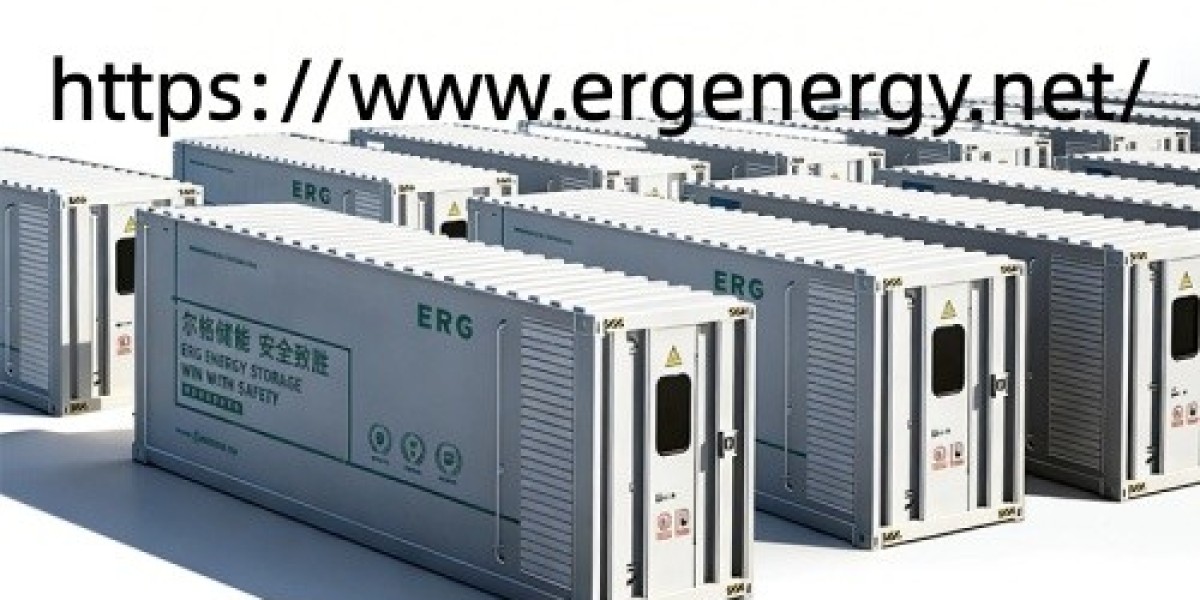
ERG provides several vanadium redox products and integrated configurations for different project requirements. Its product range includes 5kW, 10kWh, 20kWh, and 30kWh configurations, an 82kW/300kWh industrial installation, and a 500kW/2000kWh containerized solution. These options give project developers different specifications to consider when planning commercial facilities, industrial applications, and renewable power installations. The company also provides customized equipment development and system integration according to customer drawings, application requirements, and site conditions.
Manufacturing capability is another aspect worth reviewing when selecting a supplier. Buyers may need more than a finished product. Component consistency, assembly procedures, inspection processes, technical documentation, and engineering communication can all influence project preparation. A manufacturer with experience in individual components and complete system integration can help customers coordinate different equipment requirements during the planning and purchasing stages.
For companies considering extended discharge applications, a technical consultation can help turn general project objectives into measurable specifications. Buyers can prepare their expected power output, required operating hours, daily electricity consumption, installation dimensions, and future expansion plans before discussing equipment selection. This information gives engineering teams a clearer basis for evaluating the appropriate configuration.
As industrial electricity requirements continue to evolve, vanadium redox technology provides another option for businesses planning renewable integration and extended power supply. With different equipment configurations, component manufacturing, and customized engineering services, ERG supports project development across commercial and industrial applications. Businesses interested in product specifications, system configurations, and manufacturing cooperation can visit https://www.ergenergy.net/product/ to review the available solutions and discuss their project requirements.