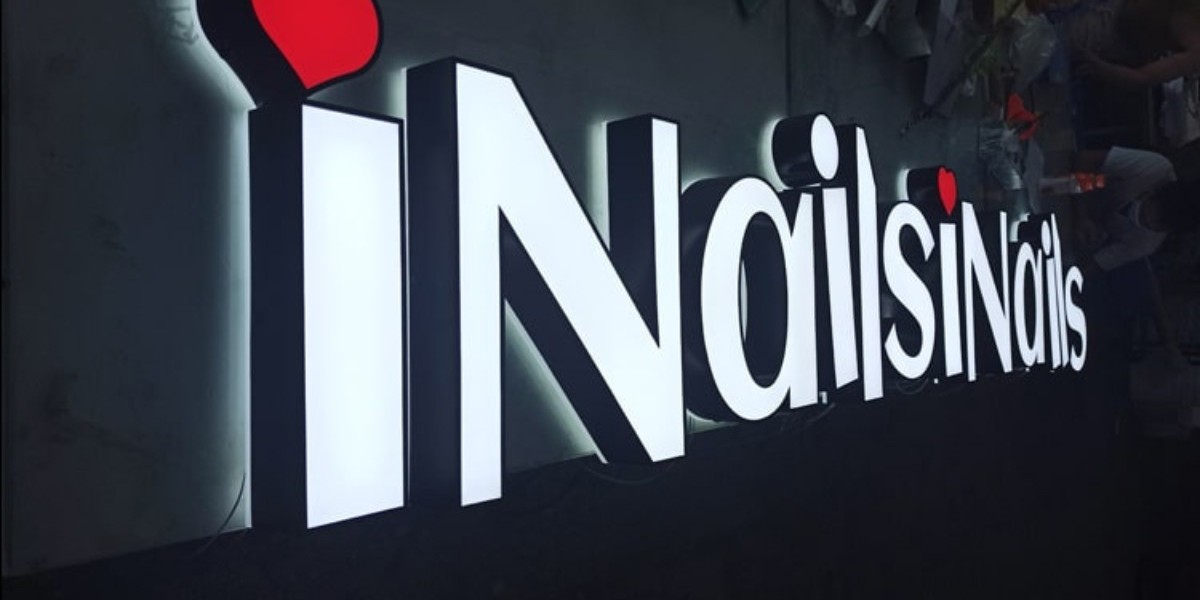

Business signs play an important role in helping customers recognise shops, offices, restaurants, and commercial buildings. A clear display can make a business easier to find, communicate important information, and create a consistent visual identity. An LED sign board in Dubai offers an additional advantage by using illuminated lettering, symbols, or displays that remain visible during evening hours and in areas with limited lighting. These signs are used across retail shops, hotels, restaurants, offices, and outdoor commercial spaces.
However, choosing an illuminated sign involves more than selecting bright lights and an attractive design. Businesses need to consider the location, viewing distance, materials, electrical requirements, maintenance, and local regulations. Understanding these details helps them select a sign that suits the building and serves its intended purpose.
1. Why LED Sign Board in Dubai Designs Are Popular for Businesses
Illuminated signs help businesses attract attention and communicate information when natural lighting is limited. Unlike non-illuminated boards, LED displays use light-emitting diodes to produce visible lettering, graphics, or symbols.
LED technology is popular because it offers several practical advantages. It generally consumes less electricity than many traditional lighting options, produces relatively little heat, and can provide a long operating life when suitable components are installed and maintained correctly.
For example, a restaurant located on a busy road may use illuminated letters to display its name above the entrance. During daylight, the lettering remains visible through its shape and colour. In the evening, the lighting makes the display easier to notice from a distance.
Retail shops also use illuminated signs to identify their entrances, display promotional messages, and maintain visibility after sunset. The design should still be clear and readable rather than relying entirely on brightness.
2. Different Types of LED Signs and Their Applications
LED signs are available in different styles. The right option depends on the type of business, installation location, available space, and information that needs to be displayed.
Front-lit LED letters
Front-lit letters contain lighting that shines through the front surface of each letter. The face is commonly made from a material that allows light to pass through, while the sides and rear provide structure.
These signs are suitable for shop names, restaurant entrances, shopping centres, and commercial buildings. Different colours can be used to match an existing business identity.
For example, a pharmacy may use illuminated green lettering to make its name visible to people approaching the entrance. The design should use a clear font and sufficient spacing so that each letter can be recognised easily.
Backlit and halo-lit letters
Backlit letters produce light behind the lettering rather than directly through the front face. This creates an illuminated outline or halo around the letters.
The effect is often used in hotel receptions, office entrances, luxury retail spaces, and corporate interiors. Stainless steel or acrylic letters can be installed slightly away from the wall to allow light to spread behind them.
A professional office might choose brushed metal lettering with warm white backlighting. This provides a subtle appearance without making the reception area excessively bright.
LED lightbox signs
A lightbox uses internal illumination behind a printed or translucent front panel. It can display company names, logos, photographs, or promotional information.
Lightboxes are commonly found in shopping centres, retail stores, restaurants, and transport-related locations. Their larger display area makes them useful when a business needs to communicate more than just its name.
The front panel should be designed carefully because uneven lighting can make some parts of the display appear brighter than others.
LED display screens
Digital LED screens can show changing content such as announcements, advertisements, prices, and event information. Unlike fixed lettering, their displayed messages can be updated when required.
Shopping centres may use these screens for promotional campaigns, while restaurants can display menus or special offers. Their content should be readable within the time people have to view it.
The screen resolution, brightness, viewing distance, and operating environment should all be considered before installation.
3. Select the Right Materials for Durability
The materials used in an illuminated sign affect its weight, appearance, weather resistance, and maintenance requirements.
Acrylic
Acrylic is frequently used for illuminated lettering because it is available in different colours and allows light to pass through selected surfaces. It can be cut into individual letters and combined with LED modules to create illuminated displays.
Acrylic is suitable for many indoor signs and certain outdoor applications when the correct grade and construction are selected. The thickness should match the letter size and installation requirements.
Aluminium
Aluminium is useful for sign structures because it is lightweight and can be shaped into different forms. It is commonly used for sign frames, letter returns, and lightbox structures.
A suitable coating can help protect the surface from environmental exposure. The finish should be selected according to the building design and expected conditions.
Stainless steel
Stainless steel is often used when a business wants a metallic appearance. It can be polished, brushed, or finished in different decorative colours.
For illuminated lettering, stainless steel may be combined with acrylic faces or rear lighting components. This creates a combination of metallic surfaces and LED illumination.
Protective components
Outdoor signs need suitable protection against dust, moisture, and temperature changes. Electrical connections, LED modules, wiring, and power supplies should be selected according to the installation environment.
A sign designed for an indoor reception area may not be suitable for an exposed building façade. Material and component specifications should therefore be confirmed before production begins.
4. Plan the Design for Readability and Visibility
A sign should communicate its message quickly. If the lettering is too small, the colours lack contrast, or the layout contains too much information, people may struggle to understand it.
Choose an appropriate font
Simple fonts are generally easier to read from a distance. Businesses should avoid excessively decorative lettering when displaying important information such as their names, opening hours, or directions.
The thickness of each letter also matters. Very thin lettering may become difficult to recognise when illuminated, especially from across a road or large commercial area.
Use balanced colours
The colour of the light and the sign surface should work together. A strong contrast between the lettering and its background can improve visibility.
For example, white illuminated letters on a dark background may work well for a retail entrance. A restaurant might choose a different combination to match its interior and exterior design.
However, using too many colours can make the display confusing. A limited colour palette usually creates a cleaner appearance.
Consider viewing distance
The required letter size depends on where people will see the sign. A small display above an office reception desk does not need the same dimensions as a sign mounted on a building façade.
Businesses should consider the viewing angle, surrounding buildings, traffic movement, and possible obstructions. A sign that looks large in a design preview may appear much smaller when installed high above the ground.
5. Where LED Signs Are Commonly Used
Different commercial environments have different signage needs. An illuminated display should suit the building and the way people interact with the space.
Retail shops and shopping centres
Retail businesses use illuminated signs to identify their entrances and make store names easier to recognise. Signs may be mounted above shopfronts, inside display windows, or on feature walls.
A clothing store, for instance, might use raised illuminated letters above its entrance. A lightbox inside the window could display seasonal collections or promotional messages.
Restaurants and cafés
Restaurants often operate during evening hours, making illuminated signs useful for displaying their names and identifying entrances.
A café located along a busy street may use a compact LED sign above its doorway. The lettering should be visible without creating excessive brightness that affects nearby properties or road users.
Offices and corporate buildings
Corporate offices use illuminated displays for reception areas, building entrances, and company logos. These signs can help visitors identify the correct organisation within a shared commercial building.
For example, a business operating on several floors may install a main building directory near the entrance and a backlit company logo inside its reception area.
Hotels and hospitality venues
Hotels use illuminated signs to identify entrances, reception areas, restaurants, and other facilities. Larger properties may also require directional signs to help visitors move between different sections.
Consistent lettering, colours, and lighting can make the signage easier to recognise throughout the property.
6. Installation and Electrical Safety
LED signs require proper installation because they combine physical structures with electrical components. The mounting method should support the sign's weight and suit the surface where it will be installed.
Before installation, the wall or building façade should be checked for suitable fixing points. Large displays may require brackets, frames, or additional structural support.
Electrical connections should be handled by qualified technicians. The power supply must match the requirements of the LED modules, and cables should be protected from moisture and physical damage.
Outdoor installations require additional attention because exposure to rain, dust, and heat can affect electrical components. Suitable enclosures and protective ratings should be specified according to the actual conditions.
Businesses researching signage dubai solutions should also check the relevant property requirements and local authority rules. Depending on the sign's location, dimensions, illumination, and mounting position, approvals may be required before installation.
7. Maintenance and Energy Efficiency
LED signs are generally designed for long-term operation, but regular maintenance helps keep them working properly. Dust, damaged connections, faulty modules, and power supply problems can affect the appearance and performance of an illuminated display.
A basic maintenance routine should include:
Cleaning the visible surfaces with suitable materials.
Checking for loose letters or mounting components.
Inspecting electrical connections when necessary.
Looking for uneven lighting or dark sections.
Checking protective seals on outdoor signs.
Replacing damaged components promptly.
The energy consumption of a sign depends on its size, brightness, LED type, and operating hours. Businesses can manage electricity use by selecting suitable lighting levels and using timers or automatic controls where appropriate.
For example, a retail shop that closes at midnight may use a timer to switch off its main display after business hours. This avoids unnecessary operation throughout the night.
8. Understand Costs and Compare Production Options
The price of an illuminated sign varies according to its dimensions, materials, lighting arrangement, design complexity, and installation requirements.
A small acrylic lightbox may have a different cost structure from large stainless steel letters with halo lighting. Additional expenses may include electrical work, access equipment, structural supports, artwork preparation, and installation.
When comparing quotations from providers offering printing services dubai, businesses should check what is included in the price. The quotation should identify the materials, dimensions, lighting type, power supply, installation arrangements, and expected production schedule.
A digital mock-up or technical drawing can help confirm the design before fabrication. Businesses should also ask about component warranties and the availability of replacement parts.
For example, Zahrat Al Madina Printing is one Dubai-based provider that businesses may encounter when researching custom illuminated signs and commercial display production. Regardless of the supplier selected, comparing complete specifications is more useful than choosing an option based only on its quoted price.
Conclusion
LED signs help businesses display their names, logos, and messages in a visible and practical way. Different options, including front-lit letters, halo-lit lettering, lightboxes, and digital screens, serve different purposes across retail, hospitality, office, and commercial environments.
A successful sign depends on more than its brightness. Material quality, readable design, suitable installation, electrical safety, and regular maintenance all influence its performance. By considering these factors before production, businesses can select an illuminated display that suits their premises and remains effective over time.




