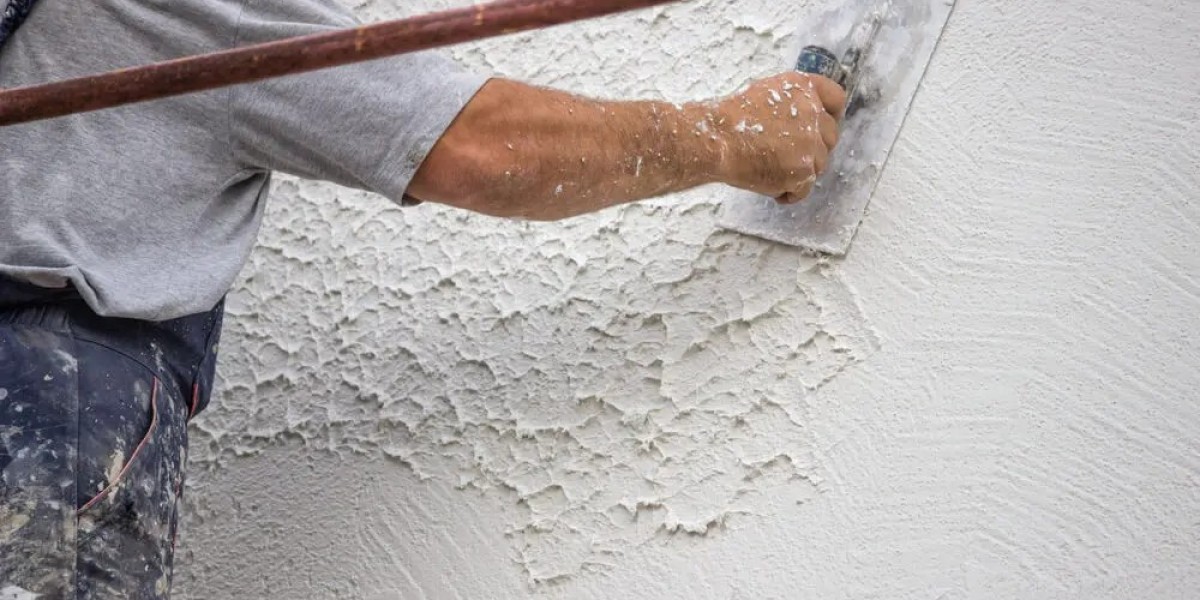

Fresh drywall can make a room feel new, but getting a clean, even paint finish takes more than choosing an attractive color. Proper surface preparation is an important step that homeowners should not overlook. When searching for drywall priming services near me, it helps to understand how primer prepares walls for paint, improves coverage, and creates a more consistent appearance. New drywall absorbs paint differently from finished surfaces, especially around joints and areas covered with joint compound. Without the right preparation, these differences may remain visible after painting. AGP Drywall helps homeowners understand the importance of properly prepared drywall surfaces before the next stage of their projects. Knowing what priming involves can help you make informed decisions, avoid common painting problems, and get better results from your home improvement investment.
Why Drywall Primer Matters Before Painting
Drywall consists of a gypsum core covered with paper, while seams and fastener locations are usually finished with joint compound. These materials have different absorption rates, which can cause paint to dry unevenly when primer is skipped. Primer helps create a more uniform surface, allowing the final paint to produce a consistent color and appearance. It can also reduce the number of paint coats needed, depending on the paint color and the condition of the wall. Homeowners planning a new room, basement finishing project, or interior renovation should include priming in their preparation plans. Understanding these benefits makes it easier to recognize why professional surface preparation matters. A carefully prepared wall provides a better starting point for the painting process and helps the finished space look more polished.
Common Problems Caused by Skipping Primer
Painting directly over unprimed drywall can lead to several appearance issues. One common problem is flashing, which occurs when certain areas reflect light differently from others. Joints, patched spots, and areas covered with compound may appear duller or shinier than the surrounding surface. Paint may also soak into untreated drywall unevenly, making it harder to achieve the intended color with a consistent finish. These problems can become especially noticeable in rooms with large windows or strong overhead lighting. When homeowners look for drywall priming services near me, they should consider how surface preparation affects the entire painting project rather than focusing only on the final color. A suitable primer helps reduce these differences and provides a more dependable foundation for the finish coat.
How Professionals Prepare Drywall for Primer
Before applying primer, the drywall surface should be checked for dust, rough areas, visible seams, and uneven joint compound. Any remaining surface imperfections should be addressed through appropriate finishing and sanding before priming begins. Sanding dust must then be removed because particles can interfere with primer adhesion and create a rough texture. The surface should also be dry and free from substances that could affect the coating. Professional preparation involves more than simply opening a primer container and applying the product. The condition of the wall, the type of drywall, and the intended finish all influence the preparation process. AGP Drywall recognizes the importance of understanding these details when planning drywall installation and finishing projects. Taking time to prepare the surface helps create a cleaner base for the next stage of work.
Choosing the Right Primer for Different Surfaces
Not every primer is designed for the same purpose. New drywall commonly requires a drywall primer or sealer formulated to balance absorption across paper and joint compound. In some situations, a high build primer may help create a more uniform appearance on properly finished surfaces, depending on the product instructions and the wall condition. Primer selection should also consider the paint being used, the room environment, and the manufacturer's recommendations. For example, a basement finishing project may involve different moisture considerations from a bedroom renovation. Primer should not be treated as a substitute for correcting moisture problems or preparing damaged materials. Homeowners researching drywall priming services near me can ask which primer is appropriate for their specific project and whether the product is suitable for the intended interior application. The right choice supports more predictable painting results.
Signs Your Walls May Need Professional Preparation
Several signs suggest that drywall needs additional attention before painting. Visible joint lines, rough patches, exposed fastener areas, and differences in surface texture can affect the final appearance. Newly installed drywall generally requires proper finishing before primer can be applied. Previously painted walls may also need evaluation if new sections have been added during a renovation. Another consideration is lighting. Natural daylight and modern LED fixtures can highlight small surface differences that are less noticeable under softer lighting. If you are preparing a basement, adding a bedroom, or completing a home renovation, evaluate the walls before purchasing paint. AGP Drywall can be considered when planning drywall installation and finishing work that prepares interior surfaces for later painting. Clear expectations about the condition of the walls help homeowners plan the project timeline and budget more effectively.
What to Expect From the Priming Process
The priming process generally begins with a surface inspection, followed by any necessary preparation, dust removal, and selection of an appropriate primer. The product is then applied according to its instructions, with attention to even coverage and the recommended drying time. Some surfaces may require additional attention depending on their condition and the primer selected. Once the primer dries, the wall can be evaluated to determine whether it is ready for paint. Drying time varies according to the product, temperature, humidity, and ventilation. Rushing this stage can affect the next coating, so following the manufacturer's directions is important. Before choosing drywall priming services near me, ask about preparation steps, expected completion time, materials, and whether the scope includes drywall finishing or primer application only. These questions help prevent misunderstandings and keep the project organized.
Frequently Asked Questions
Q1. Why is primer necessary on new drywall?
Ans. Primer helps seal the porous drywall surface and reduces differences in absorption between drywall paper and joint compound, creating a more uniform base for paint.
Q2. Can I paint drywall without using primer?
Ans. Although some specialty products are marketed for use on new drywall, a dedicated drywall primer is generally recommended for consistent coverage and appearance.
Q3. How long should drywall primer dry before painting?
Ans. Drying times depend on the product, temperature, humidity, and ventilation. Follow the manufacturer's instructions before applying the finish coat.
Q4. Should drywall be sanded before priming?
Ans. Yes, finished drywall should be smooth and free from excess compound and sanding dust before primer is applied. Proper preparation helps produce a more even result.
Q5. How do I choose a drywall priming provider?
Ans. Ask about experience with new drywall, surface preparation methods, primer selection, project timing, and the exact work included in the estimate.
Q6. Does primer hide every drywall imperfection?
Ans. No. Primer helps create a consistent base, but it does not correct major dents, uneven joints, or poor finishing. Those issues should be addressed before priming.
Prepare Your Walls for Better Painting Results
A successful paint job begins well before the first finish coat reaches the wall. Proper drywall finishing, careful cleaning, and suitable primer selection all contribute to a smoother and more consistent appearance. Homeowners who understand these steps can make better decisions about materials, scheduling, and professional assistance. Whether you are finishing a basement, updating a bedroom, or preparing a newly constructed interior, giving surface preparation the attention it deserves can help prevent avoidable painting issues. When comparing local providers, look for clear communication, an understanding of drywall materials, and a defined scope of work. Planning ahead helps ensure that each stage of the project is completed in the right order, leaving the walls ready for the color and finish you want.




