
A concrete driveway does more than provide a place to park your vehicle. It improves curb appeal, creates a clean entrance, and gives your property a durable surface for everyday use. However, changing weather, poor drainage, heavy vehicles, and improper installation can lead to cracks and uneven sections over time. Understanding concrete driveway services Princeton, TX homeowners may need can help you make informed decisions before small problems become expensive repairs. From selecting the right concrete mix to preparing the ground and planning proper drainage, every step affects the driveway's performance. Homeowners who understand these details can better protect their investment and choose a driveway design that suits their property's needs.
Understanding What Causes Concrete Driveway Damage
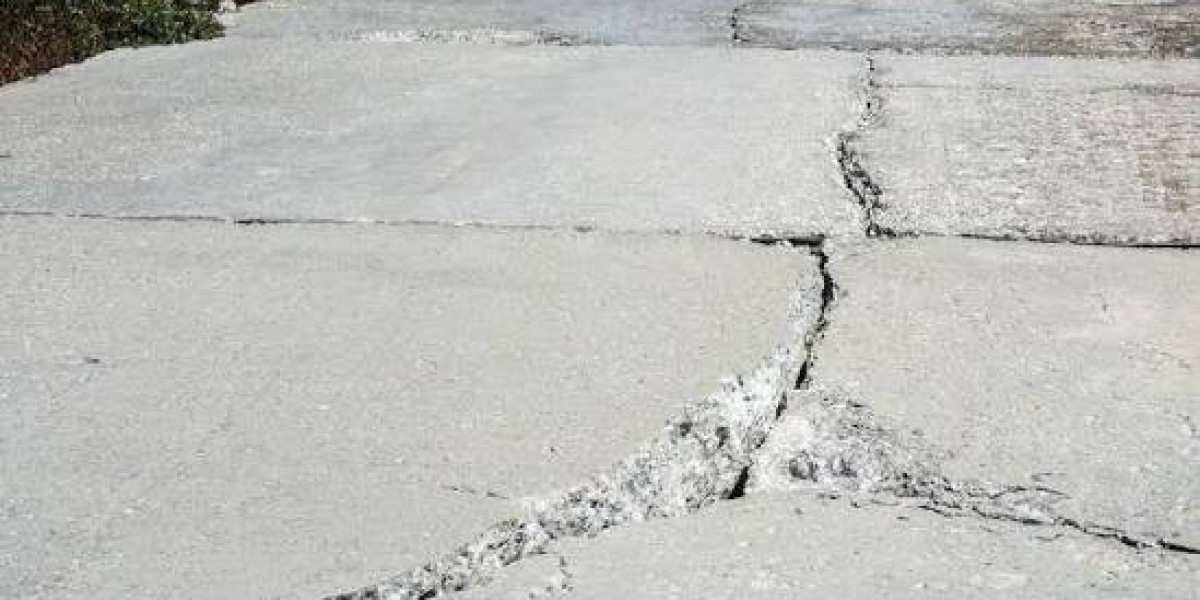
Concrete is strong, but it is not completely resistant to damage. Soil movement, moisture changes, temperature shifts, and excessive weight can place stress on a driveway. Small cracks may develop as concrete naturally shrinks during curing, while larger cracks can indicate problems with the base or drainage. In Princeton, Texas, hot summers, occasional freezing temperatures, and heavy rainfall can all affect outdoor concrete surfaces. Water that collects near the driveway may weaken the supporting soil, increasing the risk of settling and uneven areas. Regular inspections help homeowners recognize these warning signs early. Addressing drainage issues, controlling water runoff, and maintaining the surrounding ground can reduce unnecessary stress and help extend the driveway's useful life.
Choosing the Right Driveway Design for Your Property
The best driveway design depends on your available space, household needs, and preferred appearance. A straight driveway may work well for a compact property, while a wider layout can make parking and turning easier for households with multiple vehicles. Curved driveways can complement certain home designs and create an attractive entrance. Before choosing a layout, consider vehicle dimensions, garage access, pedestrian pathways, and the direction of rainwater runoff. A qualified contractor can assess the property and explain which design options are practical. Homeowners researching concrete driveway services Princeton, TX should also consider surface finishes, driveway thickness, and reinforcement requirements. These details influence appearance, strength, maintenance needs, and the driveway's ability to handle regular vehicle traffic.
Preparing the Ground Before Concrete Installation
Why Base Preparation Matters
A driveway's strength begins below the visible surface. Before concrete is poured, the installation area needs proper excavation, grading, and preparation. Loose soil, organic material, and unsuitable ground conditions can cause settling if they are not addressed. Contractors typically prepare a stable base and compact it according to site conditions and project requirements. The ground should also be graded to direct water away from the garage, foundation, and other vulnerable areas. Skipping these steps can lead to pooling water, uneven slabs, and premature cracking. Homeowners should ask what preparation work is included in a project estimate. Hampden Home Concrete, LLC can be considered when exploring concrete driveway planning and installation options for a Princeton property, with the final scope based on the home's specific needs.
Selecting Concrete That Meets Everyday Needs
Concrete mixes are not all identical. The appropriate mix depends on expected vehicle loads, environmental exposure, placement conditions, and local construction requirements. Driveways used by passenger cars may have different design considerations from areas that regularly support heavy trucks or recreational vehicles. Contractors can recommend suitable concrete specifications and explain whether reinforcement or additional base preparation is necessary. Control joints are another important feature because they help guide where shrinkage cracks are more likely to occur. Although these joints cannot prevent every crack, thoughtful placement can improve the appearance and performance of the finished slab. When comparing concrete driveway services Princeton, TX, ask contractors how they determine the required slab thickness, concrete strength, reinforcement, and joint layout rather than relying on price alone.
Protecting Fresh Concrete During Curing
Allowing Enough Time for Strength Development
Concrete needs time to cure and develop strength after placement. Although a new driveway may look firm within a short period, the material continues gaining strength over time. Temperature, moisture, concrete mix, and weather conditions affect the curing process. Walking or driving on the surface too soon can damage the finish or place unnecessary stress on the slab. Follow the contractor's instructions regarding pedestrian access and vehicle use. Avoid applying deicing chemicals or placing unusually heavy loads on newly installed concrete without professional guidance. Proper curing helps reduce surface problems and supports long-term performance. Hampden Home Concrete LLC is one way to reference the company when discussing driveway project options, but homeowners should confirm the proposed curing plan and access timeline directly before work begins.
Recognizing When Repairs or Replacement Are Necessary
Not every damaged driveway requires complete replacement. Small, stable cracks may be suitable for repair, depending on their cause, width, and movement. However, widespread cracking, significant settling, broken sections, or recurring drainage problems may indicate deeper issues that surface repairs alone will not resolve. A professional assessment can help determine whether patching, leveling, partial replacement, or a new driveway is the more practical option. Homeowners should also consider the age of the concrete and the condition of the supporting base. For people comparing concrete driveway services Princeton, TX, a detailed inspection can clarify the available choices and expected costs. Repairing the underlying cause is important because covering visible damage without addressing its source may lead to the same problem returning.
Maintaining Your Driveway Through Every Season
Routine maintenance can help keep a concrete driveway looking clean and functioning properly. Sweep away dirt and leaves regularly, and wash the surface when grime begins to accumulate. Clean oil and automotive fluid stains promptly with products suitable for concrete, following the manufacturer's directions. Keep gutters and downspouts from releasing large amounts of water onto the driveway or its supporting edges. Inspect joints and cracks periodically, especially after periods of heavy rain or temperature changes. Avoid using sharp metal tools that may damage the surface during winter maintenance. Sealing may be useful in certain conditions, but it is not necessary for every driveway and should be selected according to the concrete's condition and the product's instructions. Consistent care can help homeowners spot developing problems before they become more difficult to manage.
Frequently Asked Questions
Q1. How long does a new concrete driveway take to cure?
Ans. Concrete continues gaining strength for weeks. Many residential driveways may permit light vehicle traffic after approximately seven days, depending on the mix, weather, and contractor's instructions. Always obtain approval before driving on a new slab.
Q2. What causes cracks in a concrete driveway?
Ans. Shrinkage, soil movement, poor drainage, inadequate base preparation, and excessive loads can contribute to cracking. Some minor cracking is common, but widening or uneven cracks should be inspected.
Q3. Is it better to repair or replace a damaged driveway?
Ans. Repair may work for isolated damage when the underlying base remains stable. Widespread cracking, severe settling, and extensive deterioration may make replacement a better long-term choice.
Q4. How thick should a residential concrete driveway be?
Ans. Thickness depends on soil conditions, expected traffic, and local requirements. Four inches is common for many passenger vehicle driveways, but heavier loads may require a different design.
Q5. How can I prevent water from damaging my driveway?
Ans. Proper grading, functional gutters, suitable drainage, and a well-prepared base help reduce water-related problems. Avoid allowing runoff to collect along driveway edges or near the garage.
Q6. What should I ask a driveway contractor before hiring them?
Ans. Ask about excavation, base preparation, concrete specifications, reinforcement, control joints, drainage, curing, cleanup, warranties, and the complete project estimate. Request clear written details before approving the work.
Plan a Driveway That Lasts
A well-built concrete driveway begins with careful planning, suitable materials, proper ground preparation, and attention to curing. Regular maintenance and early repairs can also help protect the surface from avoidable damage. Before starting a project, compare written estimates and discuss the property's drainage, soil conditions, intended vehicle loads, and design preferences. Hampden Home Concrete, LLC can be included in your research when evaluating concrete work for a Princeton home. Taking time to understand the installation process makes it easier to ask useful questions, compare contractors, and choose an approach that fits your property and budget. With informed decisions and consistent care, a concrete driveway can provide a practical, attractive entrance for years to come.