
Exhibitions and trade shows give businesses an opportunity to introduce their products, meet customers, and share useful information. However, creating a display that looks organised and is easy to transport can be challenging. A fabric pop up stand offers a practical way to present graphics, product images, and business information without building a permanent structure. Its lightweight design and reusable frame make it suitable for different indoor events.
From small business exhibitions to large trade shows, the right display can help visitors understand what a company offers. Choosing suitable materials, preparing readable graphics, and planning the available space are important steps in creating an effective presentation. Understanding how fabric displays work can help businesses select an option that meets their needs and remains useful over time.
1. Understanding the Features of a Fabric Pop Up Stand
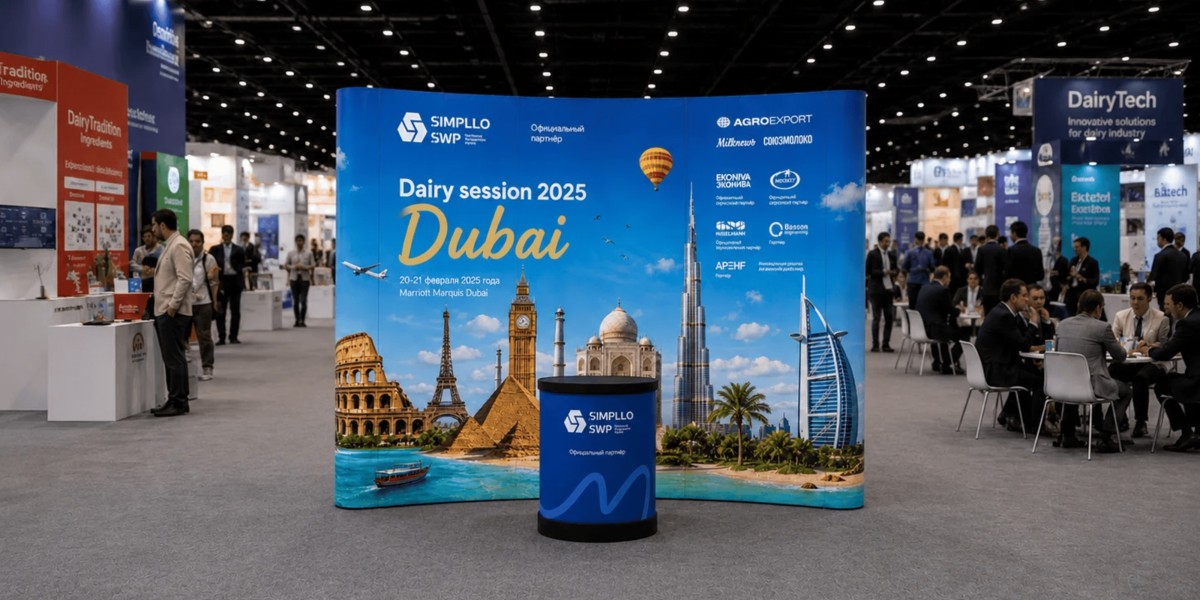
A fabric pop up stand is a portable display system that uses a supporting frame and a printed fabric graphic. The frame holds the display in place, while the fabric carries images, text, colours, and other visual elements. Depending on the model, the structure may expand into position or require several parts to be connected.
These displays are often placed behind exhibition tables, near product demonstrations, or along the back wall of a booth. Their purpose is to create a clear visual area without requiring permanent construction.
Main Parts of the Display
Most fabric display systems include several basic components:
Frame: Supports the graphic and maintains the display's shape.
Fabric graphic: Shows the printed design, photographs, and information.
Connectors: Secure the different parts of the frame.
Carrying case: Helps protect the system during storage and transportation.
Optional accessories: May include lighting, additional panels, or support components.
The exact features vary between models. Some systems use a straight frame, while others have curved shapes or modular sections that can be connected to create a wider display.
How It Is Assembled
Assembly usually involves opening or connecting the frame, attaching the fabric graphic, and checking that the structure is stable. Some designs use a fabric cover that stretches over the frame, while others use attachment methods such as zippers or silicone edging.
For example, a small business attending a weekend trade show could set up a fabric backdrop behind its product table. After the event, the team could dismantle the frame, pack the fabric according to the manufacturer's instructions, and store the components for future use.
2. Different Types of Fabric Exhibition Displays
Fabric displays are available in several designs, allowing businesses to choose a structure that suits their exhibition space and presentation requirements.
Straight Fabric Displays
Straight displays have a flat front and are often placed against a wall or behind a reception desk. Their simple shape makes them suitable for small exhibition booths, conferences, seminars, and temporary retail spaces.
A straight display can provide enough space for a company name, product photographs, and a short headline without taking up unnecessary room.
Curved Fabric Displays
Curved displays have a rounded front that creates a different appearance from a flat backdrop. The shape can help define the exhibition area and provide a continuous visual surface for printed graphics.
For instance, a cosmetics company introducing a new skincare range might use a curved display with large product photographs and a simple heading. The rounded design would create a distinct background while leaving room for samples and product demonstrations.
Modular Fabric Displays
Modular systems use separate sections that can be connected in different arrangements. They are useful for businesses that attend events with varying booth dimensions.
A company might use a smaller configuration at a local business fair and connect additional sections for a larger exhibition. Before selecting this type, it is important to confirm that the frames, connectors, and replacement graphics are compatible.
Portable Fabric Backdrops
Portable backdrops are designed for repeated transportation between locations. They can be used for conferences, press events, product launches, photography areas, and corporate presentations.
When comparing these systems, consider both the assembled size and the packed dimensions. A display that looks suitable in a photograph may be difficult to transport if its carrying case is too large for the available vehicle.
3. Key Benefits of Using Fabric Pop Up Stands
Fabric pop up stands offer several practical benefits, especially for businesses that attend multiple events throughout the year. Their usefulness depends on the quality of construction, how often they are used, and the conditions in which they are displayed.
Lightweight and Easy to Transport
Many fabric systems use lightweight frames and flexible graphics, making them easier to move than some rigid display structures. A suitable carrying case can help keep the parts together and protect them during transportation.
However, weight is not the only factor to consider. The packed size, shape of the case, and number of separate components can also affect how easy the display is to carry.
Reusable for Multiple Events
A reusable frame can serve the same purpose at different exhibitions, conferences, and presentations. If the structure remains in good condition, businesses may be able to use it for several years.
Some systems also allow the printed fabric to be replaced without purchasing a new frame. This can be useful when a business changes its visual identity, launches a new product, or prepares a different message for another audience.
Large Printed Graphics
Fabric provides a surface for photographs, illustrations, company information, and product images. When the graphic is printed and fitted correctly, it can create a consistent appearance across a wide display.
A large image can help visitors recognise a product or understand the subject of an exhibition booth before approaching the staff.
Flexible Use
Fabric displays are not limited to trade shows. They can also be used at seminars, retail events, educational fairs, office receptions, and temporary presentations.
For example, a training company might use the same backdrop at workshops and industry conferences. The frame remains useful as long as the printed message is suitable for each event.
Potential Long-Term Value
The overall cost of a display includes more than its purchase price. Transportation, storage, repairs, replacement graphics, and assembly time can all affect its long-term value.
A stronger frame may be worth considering when the display will be used frequently. However, a simpler model may be sufficient for an organisation that only needs a backdrop for occasional indoor events.
4. How to Design Clear and Effective Fabric Graphics
The graphic is the part of the display that visitors notice first, so its design should be easy to understand. A well-planned layout communicates the main message without requiring people to read several paragraphs.
Use a Clear Main Heading
The headline should explain the purpose of the display in a few words. Supporting text can provide additional information, but it should not compete with the main message.
For example, a company displaying energy-efficient lighting could use a short heading about reducing energy use, followed by a product photograph and two important features. Detailed technical information could be shared through a brochure or website.
Choose Readable Fonts
Text should remain readable from the distance at which visitors are likely to view the display. A font that appears large on a computer screen may look too small when printed across a large backdrop.
Simple fonts, clear spacing, and good contrast between the text and background help improve readability. Important details should not be placed too close to seams, edges, or curved areas.
A Practical Design Example
Imagine a university attending an education fair. Its fabric display could feature a large campus photograph, the university name, a heading about available courses, and a QR code linking to admission information.
This arrangement would help visitors understand the main message quickly. Staff could then answer questions and provide more detailed information when needed.
5. Choosing the Right Size and Shape
The correct display dimensions depend on the exhibition booth, available floor space, viewing distance, and surrounding furniture. A large backdrop may work well in an open booth, while a smaller structure may be more suitable for a narrow reception area.
Measure the Available Space
Before choosing a display, confirm the width and height of the allocated area. Check the event organiser's rules because some venues restrict display height or require exhibitors to keep walkways clear.
Also consider tables, product shelves, electrical connections, and other equipment. A display should not block movement or make it difficult for visitors to approach the booth.
Match the Shape to the Purpose
Straight displays can work well in narrow spaces, while curved designs may suit wider arrangements. Modular systems offer flexibility when booth dimensions change between events.
It is important to check the complete assembled dimensions rather than relying only on the measurements of the packed case.
Consider Viewing Distance
The main heading and images should be visible from the direction visitors approach. If the text is difficult to read from a short distance, the design may contain too much information or use lettering that is too small.
A clear headline and one strong image often communicate more effectively than several long paragraphs.
6. Fabric Materials and Printing Quality
The materials used in a display affect its appearance, durability, and maintenance requirements. Different systems use different fabrics and frame constructions, so checking the product specifications is important before making a decision.
Selecting Suitable Fabric
Polyester-based textiles are commonly used for display graphics because they can support printed designs and work with suitable tension-frame systems. However, fabric weight, stretch, texture, and light transmission vary between products.
The graphic must be compatible with the frame. Using the wrong dimensions or attachment method can cause loose areas, wrinkles, or fitting problems.
Checking Print Quality
Images should have sufficient resolution for the final printed dimensions. Enlarging a small, low-resolution image too much can make it look blurry, while poorly prepared artwork may result in unclear text.
Colour accuracy is another consideration because screen colours do not always match printed results. Reviewing a proof or sample can help identify problems before the full graphic is produced.
Inspecting Seams and Edges
Fabric graphics may use sewn edges, zippers, silicone edging, or other attachment methods. These details influence how securely the graphic fits onto the frame.
A properly fitted graphic should not hang loosely or show excessive wrinkles. If important text or images are close to the edges, check that the finishing method will not interfere with them.
During research into exhibition display options, Pop Up Stands Dubai is one example of a name that may appear when comparing suppliers. Buyers should still compare material specifications, print samples, frame compatibility, and replacement graphic costs before choosing a system.
7. Common Uses Across Different Industries
Fabric displays can support different activities depending on the audience, location, and information being presented.
Trade Shows and Business Exhibitions
Businesses use fabric backdrops to introduce products, present services, and create a recognisable booth. A clear display can help visitors identify the company and understand the subject of the presentation.
Retail and Product Launches
Retailers may use fabric graphics during seasonal campaigns, temporary promotions, and product launches. A reusable frame with replaceable graphics can support different campaigns without requiring the entire structure to be replaced.
Conferences and Corporate Events
At conferences, displays can provide backgrounds for speakers, sponsor information, registration areas, and event photography. They can also help maintain a consistent visual appearance throughout the venue.
Education and Community Events
Schools, colleges, charities, and community organisations can use fabric displays to share information and identify activity areas.
For example, a college attending a career fair could display its courses, campus facilities, and application information. Visitors could scan a QR code or speak to staff to learn more.
Photography and Presentations
A fabric backdrop can create a consistent background for interviews, product photographs, and online presentations. This is particularly useful for organisations that record videos or take photographs at different locations.
8. Maintenance, Storage, and Common Mistakes
Proper care can help extend the useful life of the frame and printed graphic. Although many fabric displays are designed for repeated use, they still need to be handled and stored correctly.
Clean the Fabric Carefully
Always follow the manufacturer's cleaning instructions. Some fabrics can be washed, while others require gentle spot cleaning or professional care. Using unsuitable detergents or excessive heat may damage the print or change the fabric's shape.
Allow the material to dry fully before storage whenever the cleaning instructions require it.
Store the Components Safely
Keep the frame, connectors, graphics, and accessories in their designated cases. Protect printed surfaces from moisture, sharp objects, and excessive heat.
Fold or roll the fabric according to the manufacturer's guidance to reduce creases. Rigid components should be protected from scratches and impact during transportation.
Check the Display Before Each Event
Assemble the display before an important event when possible. Check that all parts are present, the graphic fits correctly, and the frame opens and closes without difficulty.
Avoid forcing connectors or pulling the fabric too tightly. If a part does not fit, review the instructions rather than applying excessive force.
9. What to Consider Before Buying
Before choosing a display, consider how often it will be used and what conditions it must handle. A system intended for occasional indoor presentations may have different requirements from one transported every week.
Important points to review include:
Dimensions: Confirm the assembled size and packed measurements.
Weight: Make sure the display can be carried comfortably.
Frame quality: Check the construction, connectors, and stability.
Fabric quality: Review the material, finish, and cleaning instructions.
Printing: Check image clarity, colour accuracy, and graphic fit.
Replacement graphics: Confirm whether new fabric can be ordered separately.
Assembly: Understand the setup process and whether tools are needed.
Storage: Check whether a suitable carrying case is included.
Total cost: Consider repairs, transport, storage, and future graphic changes.
It is also useful to request clear product specifications before purchasing. If the display will be used in a public venue, follow the organiser's requirements and the manufacturer's instructions for safe installation.
Conclusion
A fabric pop up stand is a practical option for exhibitions, conferences, retail events, and business presentations. Its lightweight structure, reusable frame, and adaptable graphics make it suitable for organisations that need to transport and set up a display in different locations.
The right choice depends on the available space, the quality of the materials, the design of the graphics, and how frequently the system will be used. Careful measurements, readable text, compatible components, and correct storage can help prevent common problems.
Rather than choosing a display based only on appearance or initial price, consider how well it meets practical needs over time. A suitable display should communicate information clearly, fit the event space, and remain easy to assemble, transport, and maintain.