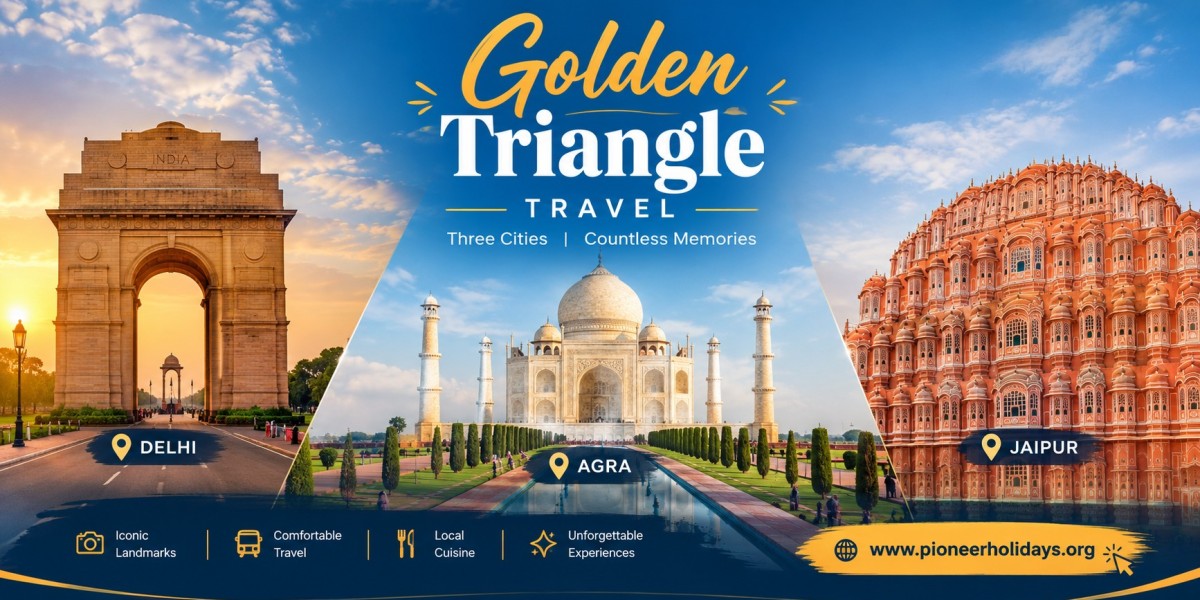

India offers a remarkable mix of historic monuments, colorful markets, regional cuisine, royal architecture, and cultural traditions. For international travelers, experiencing these different sides of the country can be easier with a well-planned route. Golden Triangle Tours connect Delhi, Agra, and Jaipur, three destinations that offer a fascinating introduction to India's history and everyday life.
However, a memorable trip should include more than ticking famous landmarks off a list. Exploring an old market, tasting a regional dish, learning the story behind a monument, and spending time with local traditions can make the journey more meaningful. The key is to balance sightseeing with experiences that help you understand each destination.
Here are the experiences worth considering when planning your Golden Triangle itinerary.
1. Explore Delhi's Historic Monuments and Local Markets
Delhi is an excellent place to begin because its landmarks reflect several periods of Indian history. Visit Qutub Minar to appreciate its detailed stonework and Humayun's Tomb to see an architectural style that influenced later Mughal monuments. The Red Fort provides another perspective on the city's imperial past.
After visiting major sites, explore Old Delhi. Its busy lanes, traditional shops, and food stalls offer a different experience from the wide roads and modern neighborhoods of New Delhi. You might sample local snacks or browse markets known for textiles, spices, and household goods.
To make the visit more rewarding, consider a guided heritage walk. A knowledgeable guide can explain the stories behind historic buildings and help you understand how the city's different communities shaped its identity.
Practical tip: Delhi traffic can be heavy, so group nearby attractions together and avoid scheduling too many distant stops in one day.
2. Discover Mughal Heritage in Agra
Agra is best known for the Taj Mahal, a monument admired for its white marble, balanced design, and intricate decorative details. Visiting with enough time to appreciate its architecture can be more satisfying than rushing through for photographs alone.
The Taj Mahal is only one part of Agra's heritage. Agra Fort offers insight into Mughal royal life, military architecture, and the political importance of the city. Itimad-ud-Daulah's Tomb is another worthwhile stop for travelers interested in fine stonework and decorative craftsmanship.
For a different perspective, look for local artisans who practice marble inlay, a craft associated with the region. Seeing how designs are created can help you appreciate the skill behind the decoration found on historic monuments.
If possible, plan your Taj Mahal visit early in the day, allowing time for security checks and walking around the complex. Opening schedules and access rules can change, so verify current information before visiting.
3. Experience Jaipur's Royal Architecture and Rajasthani Culture
Jaipur brings a distinctive royal character to the Golden Triangle. Amber Fort, City Palace, and Hawa Mahal are among the city's best-known attractions, each offering a different view of Rajasthan's architectural traditions.
At Amber Fort, pay attention to courtyards, gateways, and decorative interiors. In the city, Hawa Mahal is notable for its detailed façade, while City Palace introduces visitors to royal collections and historical objects.
Set aside time for Jaipur's markets as well. The city is known for block-printed fabrics, jewelry, pottery, and other handicrafts. Shopping can be a cultural experience when you learn about the materials and techniques used by local makers.
Food is another important part of the visit. Try regional specialties at a reputable restaurant, and ask about ingredients if you have dietary restrictions.
Practical tip: Jaipur's attractions can involve considerable walking and exposure to the sun. Comfortable footwear, water, and a flexible schedule will make sightseeing easier.
4. Choose the Right Duration for Golden Triangle Tours
The amount of time you have will determine how many experiences you can enjoy without feeling rushed. A short itinerary may cover the main landmarks, while a longer one leaves more room for guided visits, local food, and relaxed exploration.
Travelers can compare a 2 Days Golden Triangle Tour, 3 Days Golden Triangle Tour, Golden Triangle Tour 4 Days, Golden Triangle Tour 5 Days, or 6 Days Golden Triangle Tour.
When comparing itineraries, check the actual sightseeing schedule, overnight stops, transport arrangements, and whether monument entrance fees and guide services are included. A longer trip is often useful if you enjoy photography, history, or cultural activities, but the best duration depends on your personal interests.
You can review available routes and itinerary styles through Golden Triangle Tours before deciding how much time to spend in each city.
5. Extend Your Journey for More Varied Experiences
If you have additional days, consider adding destinations that match your interests. An extension can introduce you to wildlife, spiritual traditions, Sikh heritage, or the historic cities of Rajasthan.
Wildlife enthusiasts can consider the Golden Triangle Tour with Ranthambore, which adds a national park experience to the historic circuit.
Travelers interested in religious traditions and the Ganges can explore the Golden Triangle Tour with Varanasi.
The Golden Triangle Tour with Amritsar offers an opportunity to learn about Sikh heritage and visit important religious landmarks.
For lakeside scenery and royal architecture, the Golden Triangle Tour with Udaipur is another option.
Travelers who want to explore more of Rajasthan can consider the Golden Triangle Tour with Jodhpur and Udaipur or the longer Golden Triangle Tour with Rajasthan.
To discover additional regional traditions and historic towns, look at the Golden Triangle Tour with Pushkar and Jodhpur.
Before adding destinations, consider the travel time between them. Choose extensions that support your interests rather than filling every day with long transfers.
6. Plan for Comfort, Culture, and Responsible Travel
A few practical choices can make your journey smoother. October to March is a popular period for sightseeing because temperatures are generally more comfortable, although winter fog can affect travel around Delhi and Agra.
Book accommodation and transport in advance during busy periods. Wear comfortable shoes, carry drinking water, and keep some flexibility in your daily schedule. At religious sites, follow local dress requirements and remove footwear when requested. Always ask permission before photographing people.
It is also helpful to support responsible tourism. Buy crafts directly from reputable local businesses where possible, avoid touching protected monuments, and respect the customs of the communities you visit.
Conclusion
The best Golden Triangle Tours combine famous monuments with experiences that reveal the character of Delhi, Agra, and Jaipur. Historic walks, regional food, traditional crafts, and conversations with knowledgeable guides can make the journey more rewarding than sightseeing alone.
Plan a realistic itinerary, choose activities that match your interests, and leave enough time to appreciate each destination. Whether you have a few days or want to explore additional regions, a thoughtful route can help you discover India's heritage at a comfortable pace. Travelers can explore private itineraries and travel options with Pioneer Holidays when planning their visit.
Frequently Asked Questions
1. What are the main experiences to include in a Golden Triangle trip?
Prioritize Delhi's historic monuments and markets, the Taj Mahal and Agra Fort, and Jaipur's royal architecture and handicrafts. Add regional food or a guided heritage walk if time allows.
2. How many days are ideal for the Golden Triangle?
Four to six days can provide a more relaxed experience, while two or three days are possible for travelers with limited time. Shorter trips require careful planning.
3. Can I customize a Golden Triangle itinerary?
Yes. Depending on your schedule and interests, you can adjust sightseeing time or add destinations such as Ranthambore, Varanasi, Amritsar, or other parts of Rajasthan. Check the travel time and total duration before confirming your plan.