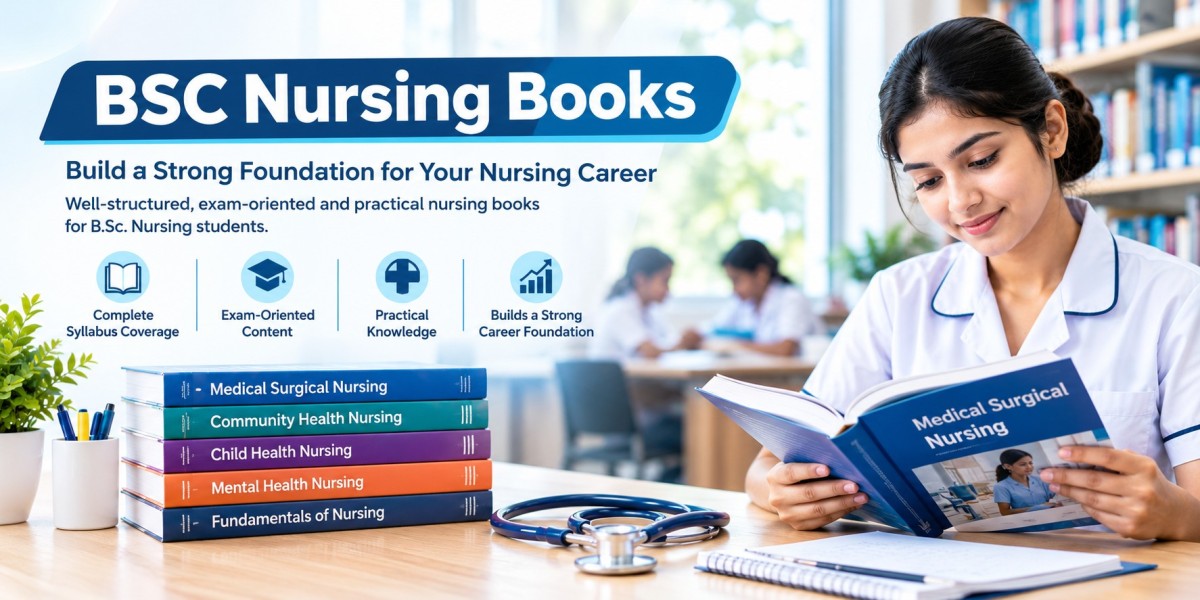

BSC Nursing Books: A Complete Guide for Nursing Students
Introduction to BSC Nursing Books
Starting a BSc Nursing course is exciting, but it can also feel heavy. There are many subjects, long chapters, and a lot of new terms to learn. Most students quickly find out that class notes alone are not enough. A reliable textbook becomes the one thing you return to again and again, whether you are revising before a test or trying to understand a topic you missed in class.
That is why the right BSC Nursing Books matter so much. They explain concepts in a steady, organised way, help you prepare for exams, and build the knowledge you will carry into the hospital ward. This guide will walk you through the subjects you will study, how to pick suitable books, and how to use them well.
Why Choosing the Right Nursing Books Matters
Nursing is a mix of knowledge and skill. You cannot care for a patient well if you do not understand what is happening inside the body, why a medicine is given, or what warning signs to watch for. A good textbook connects these dots for you.
When a book is written clearly, you spend less time struggling with language and more time understanding the idea. When it includes neat diagrams and examples, topics stay in your memory longer. And when it matches your syllabus, you do not waste hours reading chapters that will never appear in your exams.
Students who choose their study materials with care usually find revision calmer and classroom lectures easier to follow.
Important Subjects Covered in BSc Nursing
The exact list depends on your university, but most BSc Nursing programmes cover the following core subjects. Knowing them in advance helps you plan which books you need and when.
Anatomy and Physiology
These two subjects teach you how the human body is built and how it works. Every other nursing subject rests on this base. A good textbook here should have clear labelled diagrams, because seeing a structure is often easier than reading about it.
Fundamentals of Nursing
This is where you learn the basics of patient care. Hygiene, safety, vital signs, communication, and simple procedures all begin here. Books for this subject should explain each procedure step by step and also tell you the reason behind each step.
Medical Surgical Nursing
This subject deals with adult patients who have different illnesses or who are recovering from surgery. It covers patient assessment, common conditions, and nursing care. Because it is a large subject, a well structured book with clear headings makes a big difference.
Pharmacology
Pharmacology teaches you about medicines, including their uses, doses, side effects, and the precautions to follow. Safe medicine administration is a serious responsibility, so choose a book that explains things plainly and does not hide key points in dense paragraphs.
Community Health Nursing
Here you learn about preventing disease, promoting health, and caring for people outside the hospital. Topics such as immunisation, family health, and health education come under this subject. It is a practical area, so examples from real community settings are very helpful in a textbook.
Child Health and Mental Health Nursing
These subjects prepare you to understand the needs of children and of people facing emotional or psychological difficulties. They need patience and sensitivity, and the best books on these topics use simple language and relatable case examples.
How to Choose the Best BSC Nursing Books
Walking into the choice without a plan can lead to wasted money. Use this simple checklist before you buy.
- Check your university syllabus first. Your syllabus tells you exactly what you need to study. Pick books that cover every unit in it.
- Follow the reading list from your teachers. They know the exam pattern and often recommend what works.
- Look for clear explanations and diagrams. If a book confuses you after two readings, it may not suit you.
- Prefer updated editions. Nursing practice changes over time, and newer editions usually reflect those changes.
- Check for practice questions. Questions at the end of chapters help you test yourself.
- Match the book to your semester. A first year student does not need advanced material yet.
Before buying, open the book and read one topic you find difficult. If it makes sense, you are probably on the right track. Many students also browse a trusted range of BSC Nursing Books to compare titles side by side before deciding what suits their year and subject.
Benefits of Using the Right Nursing Study Materials
Good study materials do more than help you pass. They shape the way you think about patient care.
- They build strong concepts, so you understand the reason behind each action.
- They make revision faster, because the content is already organised.
- They help you prepare for exams with confidence.
- They connect classroom learning to what you see in the hospital.
When your books, notes, and clinical experience support each other, learning feels natural instead of forced.
Tips for Studying Nursing Books Effectively
Owning the books is only the first step. The way you study decides what you gain from them.
Make a Realistic Study Timetable
Spread your subjects across the week and give difficult topics more time. A simple plan you can follow is better than a perfect plan you give up after three days.
Write Short Notes
After each chapter, write the main points in your own words. These notes will save you during revision week when time is short.
Revise Diagrams, Definitions, and Procedures
Draw diagrams by hand and say procedures aloud. Active revision sticks in memory far better than silent reading.
Practise Exam Questions
Solve questions from earlier years where you can. It helps you understand how topics are asked and how to manage your time.
Ask Your Teachers
If a concept stays unclear, do not carry the doubt for weeks. Ask your instructor. A five minute explanation can clear what hours of reading could not.
Link Reading With Clinical Practice
During ward duty, think back to what you studied. Seeing a condition in real life, under the guidance of your supervisor, helps the theory become real. Students who keep using their BSC Nursing Books alongside clinical postings often understand both the book and the ward better.
Common Mistakes to Avoid When Buying Nursing Books
Many students repeat the same errors. A little care can help you avoid them.
- Ignoring the syllabus. This is the most common and most costly mistake.
- Choosing outdated editions. Old books may miss newer guidelines.
- Buying too many reference books. More books do not mean better marks. A few good ones, studied well, are enough.
- Relying only on memorisation. Nursing needs understanding. If you only memorise, you will struggle when a question is asked in a different way.
Frequently Asked Questions About BSC Nursing Books
Which subjects should BSc Nursing students study first?
Begin with the subjects and chapters recommended by your university and instructors. In most cases, anatomy, physiology, and fundamentals of nursing form the starting point because other subjects build on them.
How can students choose the right nursing textbooks?
Check your syllabus, the reading list from your teachers, the edition, and the level of detail. Choose a book you can read comfortably and understand without constant struggle.
Are reference books necessary for BSc Nursing?
Reference books can give extra information on topics you find hard, but they should support your prescribed textbooks, not replace them. Start with the main books and add references only when you truly need them.
How can students use nursing books for examination preparation?
Revise regularly instead of waiting for the last week. Keep short notes, solve practice questions, and go back over the important concepts often. Steady effort always beats last minute cramming.
Conclusion
Choosing suitable textbooks is one of the most useful decisions a nursing student can make. The right books make lessons clearer, exams less stressful, and clinical practice more confident. Always keep your syllabus at the centre of your choice, pay attention to the edition and the way the book explains things, and avoid buying more than you can realistically study.
If you are building your study shelf, take your time with BSC Nursing Books, pick titles that fit your semester, and study them with a steady routine. A few well chosen books, used well, will support you throughout your nursing journey.