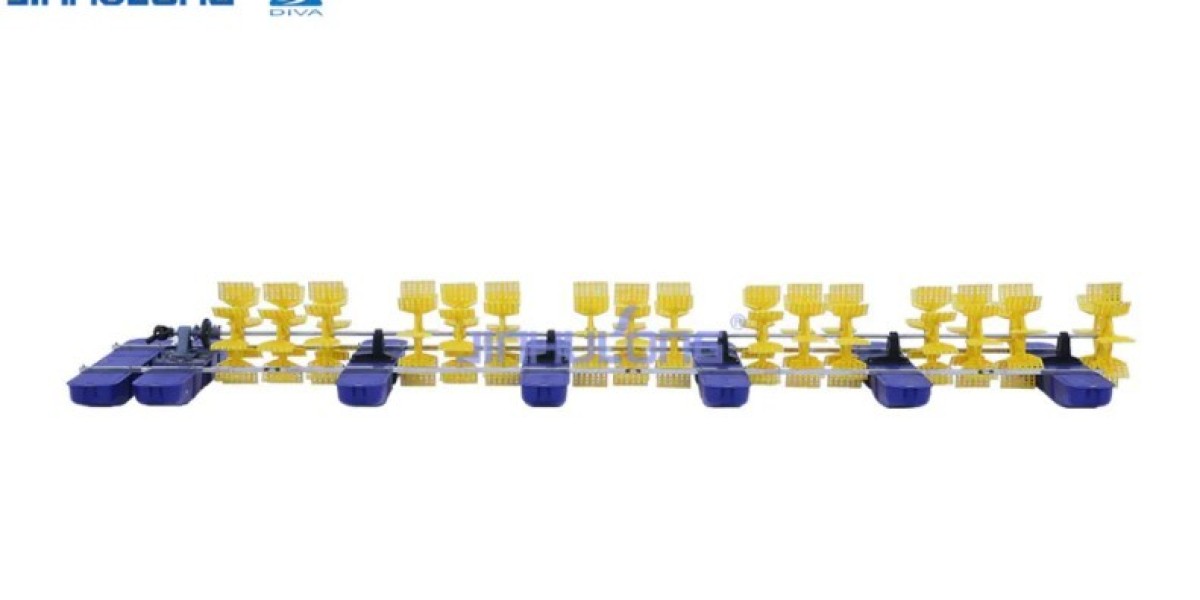

Maintaining suitable water conditions is essential for healthy aquaculture operations, especially in ponds where stocking density, feeding activity, and seasonal temperatures influence oxygen demand. Paddle Wheel Aerator Water Cooling is a useful topic for farm operators evaluating water circulation and heat management, while Paddle Wheel Aerator Water Cooling also highlights the relationship between surface movement, aeration, and pond temperature. Understanding how these functions work together can help farmers choose equipment that supports stable water conditions and efficient daily management.
How Paddle Wheel Aeration Supports Water Circulation
A paddle wheel aerator uses rotating blades to move water and increase contact between the water surface and surrounding air. This movement supports oxygen transfer while creating circulation that can help reduce stagnant areas in a pond. The resulting water movement may also distribute dissolved oxygen more evenly when the equipment is positioned appropriately.
Water circulation is particularly important in aquaculture systems where fish or shrimp consume oxygen continuously. Feeding, organic decomposition, and changing weather can increase oxygen demand, making aeration equipment an important part of routine pond management.
However, aeration and cooling are not identical processes. A paddle wheel can influence surface mixing and heat distribution, but its effect on overall water temperature depends on factors such as ambient conditions, pond depth, operating duration, and water circulation patterns.
Understanding the Relationship Between Aeration and Cooling
Water temperature affects aquatic animals, oxygen availability, and biological activity. During hot weather, shallow ponds may experience considerable daytime warming, while oxygen levels can fluctuate as temperatures and biological demand change.
Paddle wheel movement can help mix surface water with surrounding pond water, potentially reducing localized temperature differences. Depending on the environmental conditions, evaporation and air-water heat exchange may also influence cooling. Nevertheless, a paddle wheel aerator should not be treated as a dedicated refrigeration system.
Farm managers should monitor temperature at different depths and locations rather than assuming that visible surface movement guarantees uniform conditions. Combining temperature measurements with dissolved oxygen readings provides a clearer picture of pond performance and helps determine when additional aeration or management adjustments may be necessary.
ChinaAerator: Selecting Equipment for Pond Conditions
Choosing an appropriate aerator requires attention to pond size, stocking density, water depth, electrical supply, and expected operating conditions. Zhejiang-based aquaculture equipment suppliers may offer different paddle wheel configurations to accommodate varying farm layouts and operational needs.
When reviewing products from ChinaAerator, buyers should compare motor specifications, paddle construction, frame materials, installation arrangements, and maintenance requirements. The equipment should be suitable for continuous exposure to moisture and the particular conditions found in aquaculture environments.
Positioning also matters. Poor placement can leave some areas with limited circulation, even when the aerator produces strong movement nearby. Before installation, farm operators should consider pond geometry, existing water flow, feeding zones, and areas where aquatic animals tend to gather.
For larger farms, discussing the pond layout and intended operating schedule with the supplier can help clarify equipment selection and installation requirements.
Operation and Maintenance for Consistent Performance
Regular inspection helps maintain aerator performance and reduces the likelihood of unexpected interruptions. Operators should check paddle blades for damage, examine fasteners and support frames, and inspect electrical components according to the manufacturer's instructions.
Motor condition, vibration, unusual noise, and changes in water movement can provide useful indications of developing problems. Removing accumulated debris and addressing worn components promptly can also support more consistent operation.
Operating schedules should reflect measured pond conditions rather than fixed assumptions alone. Dissolved oxygen often requires particular attention during nighttime and early morning, when photosynthesis is absent and respiration continues. During periods of elevated temperature or increased stocking demand, closer monitoring may be appropriate.
Electrical safety is essential around water. Installation, inspection, and repairs should follow applicable safety requirements, with the power supply isolated before maintenance begins.
Building a Practical Aquaculture Water Management Plan
Effective pond management combines aeration equipment with regular observation, appropriate stocking practices, feeding control, and water-quality monitoring. A paddle wheel aerator can contribute to oxygen transfer and circulation, but the best results depend on how the equipment fits the wider farm management plan.
Farmers should track dissolved oxygen, water temperature, animal behavior, and equipment performance to identify changing conditions early. These observations can guide adjustments to aerator placement, operating hours, and other pond management practices.
For aquaculture operators comparing equipment options, reviewing technical specifications and matching them to actual pond conditions is a practical starting point. Visit https://www.chinaaerator.net/ to explore aeration equipment and learn more about solutions for pond circulation, oxygen transfer, and aquaculture operations.