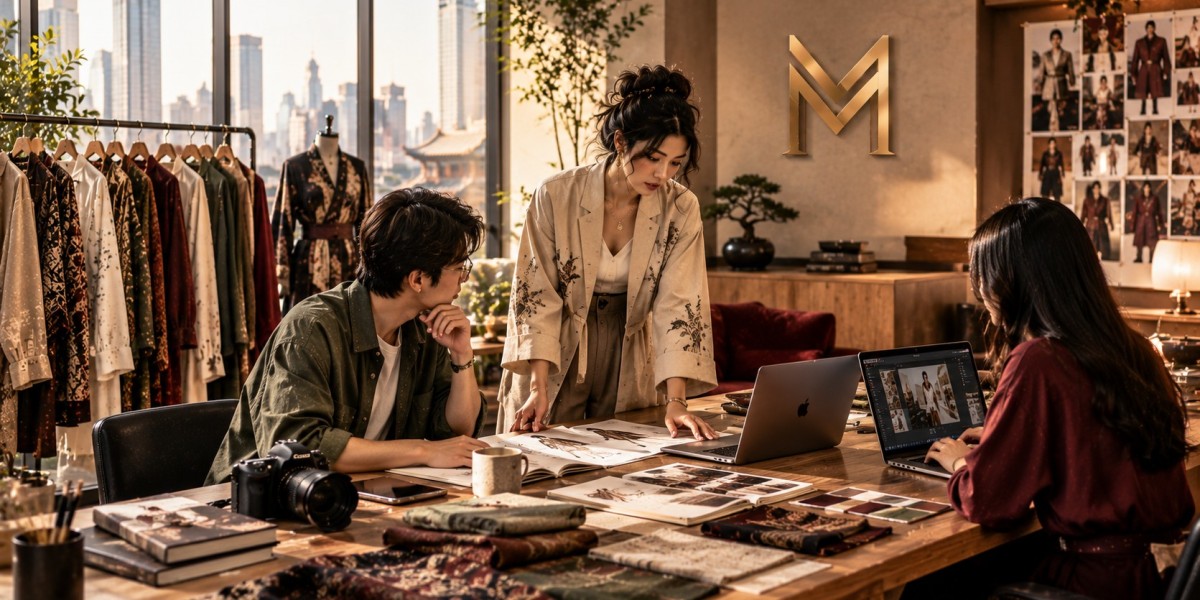

Asia's fashion industry is developing beyond traditional retail and seasonal collections. Independent labels, established companies, textile producers, creative studios, and digital-first businesses are building new ways to connect design with consumers.
The growth of Asian street style trends 2026 is one part of this wider business transformation. Fashion ideas that once remained concentrated within individual cities can now reach international audiences through social media, e-commerce, creator partnerships, and digital publications.
This changing environment is creating opportunities for Asian fashion brands to develop identities that are rooted in local culture while communicating with customers across international markets.
From Local Label to International Business
Building a fashion company has traditionally required physical stores, distributors, manufacturing relationships, advertising, and significant capital.
Digital commerce has changed some of these requirements.
A small label can now present its collection online, communicate directly with customers, accept international orders, and build an audience through social platforms. This does not remove the challenges of international expansion, but it provides another route toward growth.
For emerging companies, a strong digital identity can become an important part of their business strategy.
The Power of a Clear Brand Identity
Fashion consumers often encounter hundreds of products online every day. A clear brand identity can help a company communicate what makes its products distinctive.
This identity can come from many sources.
Some brands may focus on regional craftsmanship. Others may emphasize minimal design, technical clothing, experimental silhouettes, sustainable production, or premium materials.
A strong identity does not require every product to look identical. Instead, customers should be able to understand the creative direction behind a collection.
Cultural Heritage as a Business Asset
Asia's textile and craft traditions provide an enormous source of creative knowledge.
Weaving, embroidery, natural dyeing, printing, leatherwork, metalwork, and specialized tailoring techniques can be incorporated into contemporary fashion products.
For brands, this can create a distinctive connection between product and place.
A contemporary handbag may use a regional textile. A modern jacket may incorporate traditional embroidery. Jewelry can reinterpret techniques that have existed for generations.
When handled carefully, these elements can provide both cultural value and commercial differentiation.
Independent Brands Are Experimenting With Production
Smaller fashion companies often operate differently from large corporations.
Some produce limited quantities to reduce inventory risk. Others work directly with small workshops or specialized manufacturers.
Limited production can also create a sense of exclusivity while allowing designers to test customer interest before expanding a particular product.
This approach can be especially useful for emerging companies that do not have the resources to produce large collections.
The Role of E-Commerce
Online retail has become an important channel for fashion businesses.
A digital storefront allows customers to browse products, compare prices, review measurements, examine materials, and place orders without visiting a physical location.
For brands, e-commerce provides access to data about customer behavior. Companies can learn which products receive attention, which sizes sell most frequently, and which markets generate demand.
However, international e-commerce also requires strong logistics, payment systems, customer support, packaging, and return processes.
Social Media as a Business Tool
Social platforms are not only places for fashion inspiration. They can also function as communication and marketing channels.
Brands can show new collections, introduce designers, present production processes, share customer styling, and communicate their creative philosophy.
Behind-the-scenes content can be particularly useful because it gives customers a closer look at how products are developed.
This type of communication can make a fashion company feel more transparent and personal.
The Influence of Fashion Creators
Creators have become important partners for many fashion businesses.
Instead of relying exclusively on traditional advertising, brands can collaborate with stylists, photographers, musicians, content creators, and fashion personalities.
These collaborations can introduce products to specific communities.
A creator who focuses on workwear may be suitable for a tailoring label, while someone interested in vintage clothing may connect naturally with a resale-focused business.
The effectiveness of these partnerships depends heavily on relevance and credibility.
Modern Asian Fashion Trends and Retail Innovation
The evolution of modern Asian fashion trends is also changing how retailers think about product development.
Consumers are increasingly interested in versatile clothing, adaptable styling, regional craftsmanship, comfortable materials, and products that fit different lifestyles.
Retailers can respond by developing collections that offer more flexibility rather than focusing entirely on short seasonal cycles.
This can also encourage companies to produce fewer but more considered products.
The New Role of Physical Stores
Digital commerce is growing, but physical stores still provide experiences that online shopping cannot fully reproduce.
Customers can touch fabrics, examine construction, try on garments, speak with staff, and experience the brand environment.
For some fashion companies, physical stores are therefore becoming more experiential.
Instead of carrying enormous amounts of inventory, a store may focus on storytelling, appointments, styling services, workshops, or carefully selected collections.
This creates another way for brands to build relationships with customers.
Fashion Collaborations Are Expanding
Collaborations are becoming a common strategy across the fashion industry.
Brands may work with artists, architects, musicians, technology companies, sports organizations, or cultural institutions.
These partnerships can introduce products to new audiences while giving designers opportunities to experiment with different creative directions.
Asian brands can also use collaborations to communicate regional perspectives to international markets.
Technology and Fashion Business Management
Technology is influencing fashion beyond marketing.
Inventory systems can help companies monitor stock. Customer data can provide insight into purchasing behavior. Digital design tools can support product development.
Artificial intelligence can assist with tasks such as product categorization, customer recommendations, demand analysis, content creation, and customer support.
For smaller businesses, these tools may help reduce the amount of time required for certain operational tasks.
Human decision-making remains important, particularly when dealing with design quality, cultural context, customer relationships, and brand direction.
Premium Fashion and Changing Consumer Expectations
Luxury consumers are also becoming more interested in the story behind products.
Craftsmanship, material quality, limited production, design originality, and regional identity can all contribute to a premium positioning.
This creates opportunities for Asian companies that can communicate the value of specialized production without relying entirely on traditional luxury branding.
The ability to explain where a product comes from and how it was made can become part of the overall customer experience.
Sustainable Business Practices
Fashion companies are facing greater attention around waste and production.
Some brands are experimenting with small-batch manufacturing, recycled materials, deadstock fabrics, repair services, resale programs, and made-to-order production.
These approaches can reduce certain forms of waste, although every model has different environmental and economic implications.
For businesses, sustainability also requires practical consideration of cost, supply chains, customer demand, and production capacity.
Global Expansion Without Losing Local Identity
International growth can create an important question for Asian fashion companies: how can a brand reach global customers without becoming generic?
One approach is to retain distinctive elements of the brand's original identity while adapting communication and product presentation for different markets.
A company does not necessarily need to remove regional references to become international.
In many cases, cultural specificity can become part of the reason international customers become interested in a brand.
The Importance of Supply Chains
Fashion businesses depend on complex networks of suppliers, manufacturers, transport companies, warehouses, retailers, and technology providers.
A disruption in one part of the chain can affect production and delivery.
For growing Asian brands, developing reliable supplier relationships can therefore be as important as creative design.
Companies may also diversify manufacturing partners or work more closely with local producers to improve control over quality and timelines.
How Consumers Are Supporting Smaller Brands
Consumers have more opportunities to support independent fashion companies than in previous years.
Online marketplaces, direct-to-consumer stores, social media, pop-up events, and fashion communities can help smaller labels reach customers.
Buying from an independent brand can also provide access to products that are less widely available.
For consumers, the decision may involve evaluating design, quality, price, craftsmanship, production information, and customer service.
What the Future Holds for Asian Fashion Businesses
The Asian fashion industry is likely to become increasingly connected with technology, digital commerce, entertainment, culture, and international business.
Smaller labels may continue using online channels to reach global audiences, while established companies may invest in digital experiences and international collaborations.
Craftsmanship will remain an important resource, but its application may continue to change as designers create new products for contemporary consumers.
Conclusion
Asian fashion businesses are developing new models that combine local creativity with international opportunities. Digital commerce, social media, independent production, technology, cultural craftsmanship, and creator partnerships are changing how brands develop and communicate their products.
The continued growth of Asian luxury fashion trends also creates opportunities for brands to connect premium positioning with craftsmanship, regional identity, design originality, and modern consumer expectations.
As these businesses expand, the relationship between fashion and technology will become increasingly important, while local culture and specialized craftsmanship can continue providing distinctive foundations for international growth.
Frequently Asked Questions
Why are Asian fashion brands gaining international attention?
Digital platforms, e-commerce, entertainment, cultural exchange, independent design, and international collaborations have helped more Asian brands reach global audiences.
How can a small fashion brand sell internationally?
A brand can use an online store, social media, digital marketing, international payment systems, reliable shipping partners, and clear product information to reach customers abroad.
Why is cultural identity important for fashion brands?
Regional craftsmanship, textiles, patterns, and design traditions can give a brand a distinctive identity and provide meaningful connections between products and their place of origin.
Are physical fashion stores still relevant?
Yes. Physical stores provide opportunities for customers to experience fabrics, fit, service, product presentation, and brand environments directly.
How does social media help fashion businesses?
It allows brands to communicate collections, production stories, styling ideas, collaborations, and customer experiences directly to audiences.
What role does AI play in fashion businesses?
AI can assist with recommendations, product organization, demand analysis, customer support, content development, and other business processes.
Can Asian fashion brands become global without losing their identity?
Yes. International expansion does not necessarily require removing regional influences. Cultural identity can remain part of a brand's creative and commercial positioning.