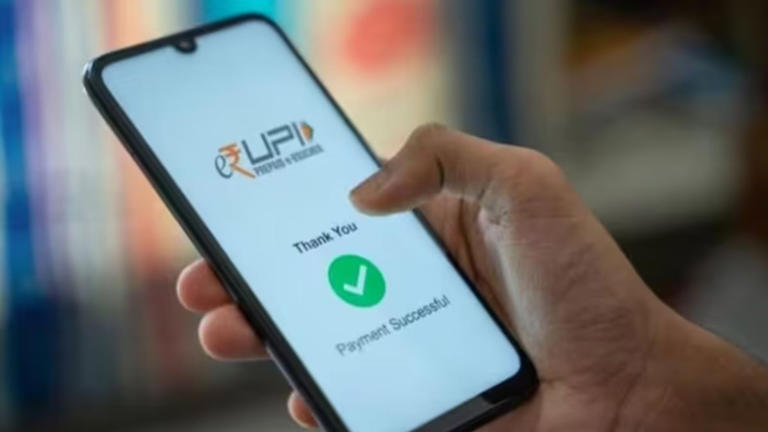
In a significant move towards streamlining financial transactions in the education sector, the Indian government has announced that it is encouraging schools across the country to adopt the Unified Payments Interface (UPI) for fee payments. This push is part of a broader initiative to enhance digital payment systems, increase transparency, and reduce the burden of manual cash handling in educational institutions.
The Growing Need for Digital Payment Systems
Over the past few years, India has seen a massive shift towards digital payments, with UPI emerging as a front-runner in simplifying financial transactions. UPI’s success lies in its ability to facilitate instant transfers, ease of use, and widespread acceptance across a variety of services—from grocery shopping to utility bill payments. By encouraging schools to switch to UPI, the government aims to bring similar benefits to the education sector.
For schools, especially those with large student populations, managing fee payments can be a logistical nightmare. Parents often face long queues at the school office or have to deal with multiple payment modes—cheques, demand drafts, or cash. These traditional payment methods can be time-consuming and prone to errors. With UPI, however, parents can pay fees quickly and securely through their smartphones, reducing delays and making the entire process more convenient.
How UPI Enhances Transparency and Reduces Fraud
One of the most compelling reasons for schools to adopt UPI is the potential for improved transparency. With UPI, all transactions are recorded digitally, creating an automatic paper trail that can be easily tracked by both parents and school administrators. This level of transparency helps eliminate any chances of misappropriation of funds, which can sometimes happen in cash-based systems.
Furthermore, UPI reduces the possibility of fraud, which can occur when handling large amounts of cash. By processing payments through secure and verified channels, schools can rest assured that the fees paid by parents reach their intended destination without any discrepancies.
Benefits for Parents and Schools
- Convenience for Parents
UPI offers convenience for parents, as they can make fee payments anytime, anywhere, using their mobile phones. No longer do they need to stand in long lines or juggle multiple payment methods. A quick UPI transaction from a smartphone is all that’s needed. - Instant Payments
Unlike traditional payment methods that may take days to process, UPI transactions are instant. This ensures that schools receive the funds on time, which is especially critical for managing their operations. - Easier Record Keeping
With digital records, schools can easily manage their fee collection and track outstanding payments. Automated reminders can be sent to parents for pending fees, reducing administrative overhead. - Enhanced Security
UPI transactions are secured with two-factor authentication (2FA), reducing the chances of unauthorized transactions. This added layer of security ensures that both parents and schools are protected from potential financial fraud. - Environmentally Friendly
Going digital reduces the reliance on paper, contributing to a more eco-friendly environment. By cutting down on the use of physical receipts and paper-based records, schools can lower their carbon footprint.
Government’s Role in the Transition
The central government is working closely with educational institutions to facilitate this transition. The Ministry of Education has directed schools to integrate UPI as a mode of payment for all kinds of fee collections, including tuition fees, library fees, and extracurricular activity charges. In addition, the government is offering training sessions to school staff, ensuring that they are well-versed with the digital payment system.
Moreover, the government is likely to offer incentives or financial aid to schools to cover any initial costs associated with setting up the necessary infrastructure for UPI payments. This would include ensuring that schools have internet connectivity, smartphones, or Point of Sale (POS) machines to process the payments effectively.
Overcoming Challenges
While the move towards UPI payments in schools is promising, there are several challenges to overcome.
- Digital Literacy
In many rural and semi-urban areas, parents may not be familiar with digital payment systems, especially UPI. Therefore, schools will need to offer guidance and support to ensure that all parents can access and use the system effectively. - Infrastructure Barriers
Not all schools, particularly those in remote areas, have the necessary infrastructure to facilitate UPI payments. Schools with poor internet connectivity or limited access to technology may find it difficult to implement the system without proper support from the government. - Data Privacy Concerns
As with any digital transaction, concerns about data privacy and security arise. Schools must ensure that the personal and financial information of parents is securely stored and processed in compliance with government regulations.
Conclusion
The push for UPI adoption in schools marks a significant step forward in the modernization of India’s education system. By embracing digital payments, schools can offer a more efficient, transparent, and secure fee payment process for parents. In the long run, this initiative has the potential to reduce administrative costs, enhance financial accountability, and improve the overall experience for both parents and educational institutions.
While there are some hurdles to overcome, the benefits far outweigh the challenges. As the government continues to promote digital literacy and the adoption of digital tools across various sectors, UPI is poised to become the future of fee payments in schools, fostering a more inclusive, efficient, and transparent education ecosystem.