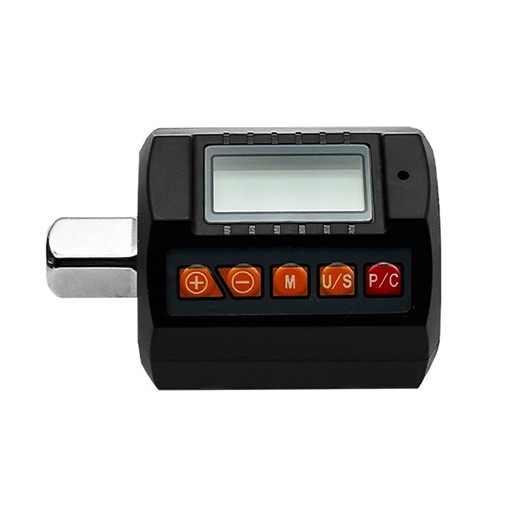

Documented measurement results are important for manufacturers that need to investigate defects, compare production batches, or demonstrate compliance with internal quality procedures. SISCO torque meters with suitable analog or digital data outputs can support the collection of torque readings for subsequent analysis and recordkeeping. Depending on the instrument, technicians may be able to connect measurement equipment to compatible recording systems, computers, or monitoring devices. This can reduce dependence on handwritten records and make it easier to organize measurements by tool identification, production station, inspection date, or product batch. For example, a quality department may record torque-tool verification results before a production shift and compare them with previous inspection records. A maintenance team may use documented measurements to investigate whether a tool's performance has changed over time. SISCO digital torque meters also provide communication interfaces, such as RS232 or RS485, subject to the selected configuration. These features can be useful when building a structured measurement system around compatible sensors and software. Data collection should be planned carefully, because an available output does not necessarily mean that every model supports automatic storage or direct connection to a particular application. Users must confirm interface specifications, software compatibility, and the required data format before integration. When implemented correctly, SISCO inline torque meter can contribute to more organized inspection records, easier trend analysis, and improved traceability, helping quality and engineering teams make decisions based on documented measurements rather than recollection alone.


Crop your avatar