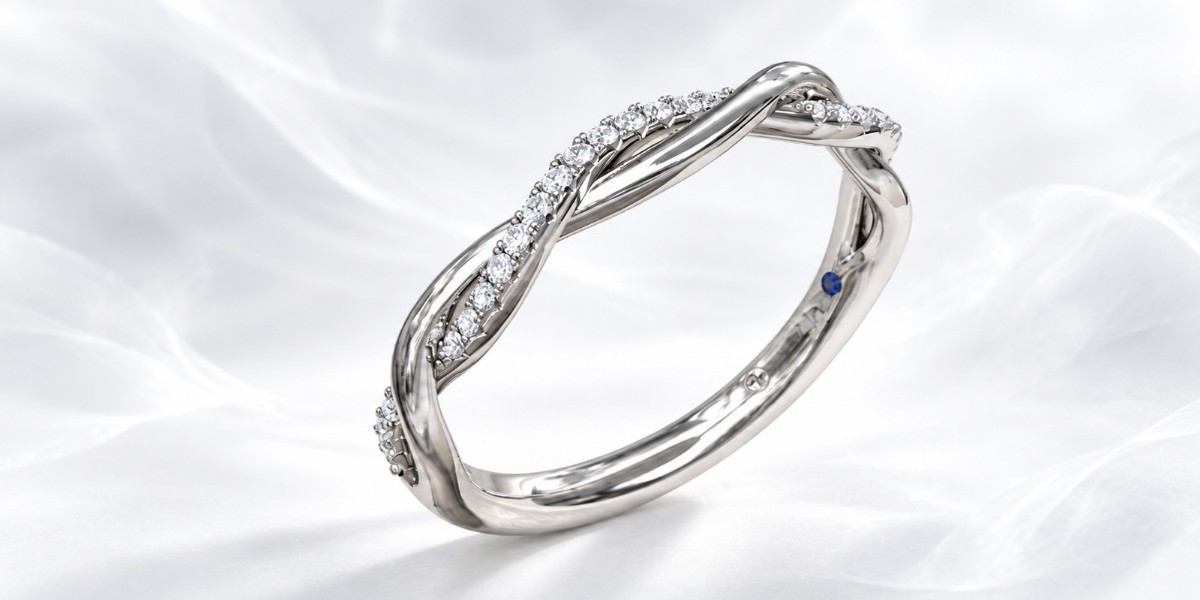

Choosing a wedding band is an important part of preparing for marriage because the ring represents commitment, love, and a shared future. While plain metal bands offer a classic appearance, diamond rings provide extra brilliance and decorative detail. Wedding Bands for Women come in a wide range of styles, from delicate bands with a few accent stones to designs featuring diamonds across the entire ring. The right choice depends on personal taste, budget, comfort, and everyday lifestyle. Understanding the benefits and practical considerations of diamond bands can help you decide whether they are the right option for your wedding.
What Makes Diamond Wedding Bands Special?
Diamond wedding bands combine traditional symbolism with the beauty of gemstones. Their sparkle can add visual interest to a ring while allowing the design to remain elegant and meaningful.
Unlike an engagement ring, which often features a central stone, a diamond wedding band may use several smaller diamonds arranged along the ring. This creates a different appearance, with the stones working together to produce a continuous or repeated pattern of brilliance.
Diamond bands are also available in different metal colors, settings, and widths. This variety makes it easier to find a ring that complements an engagement ring or stands out as a beautiful piece on its own.
Are Diamond Wedding Bands Worth Choosing?
Diamond wedding bands can be an excellent choice for people who value sparkle, versatile styling, and the traditional appeal of diamonds. However, whether they are worth choosing depends on the features that matter most to you.
They Offer Lasting Visual Appeal
Diamonds are valued for their brilliance and durability. Their appearance can complement a range of ring designs, from simple gold bands with a few accent stones to intricate pavé settings.
Because diamonds suit both traditional and contemporary jewelry, a well-chosen design can remain attractive as fashion preferences change. Selecting a style that reflects your personal taste rather than a temporary trend can make the ring more satisfying over time.
They Complement Engagement Rings
A diamond wedding band can work beautifully alongside an engagement ring. Matching metal colors and compatible shapes can create a coordinated appearance, while contrasting designs can provide a more individual look.
For example, a slim diamond band may pair well with a solitaire engagement ring, while a contoured band can fit around an engagement ring with a distinctive setting. It is important to check how the two rings sit together to avoid uncomfortable gaps or unnecessary friction.
They Offer Different Price Options
Diamond bands are available at a range of prices. The total cost depends on factors such as diamond size, total carat weight, quality, setting style, metal type, and craftsmanship.
A ring with several small diamonds may provide the sparkle you want without the cost of a design featuring larger stones. Lab-grown diamonds can also offer another option for buyers who want diamond jewelry at a different price point.
Comparing several designs and reviewing their specifications can help you find a ring that suits your budget without compromising on the features that matter most.
Which Diamond Wedding Band Styles Should You Consider?
The style of a wedding band influences its appearance, comfort, and suitability for everyday wear. Understanding the main options can make the selection process easier.
Eternity Bands
Eternity bands feature diamonds around the entire circumference of the ring. This arrangement creates continuous sparkle and gives the ring a distinctive appearance from different angles.
These rings are often chosen for their decorative appeal and symbolic association with enduring love. However, sizing and maintenance can be more complicated because diamonds extend around the entire band. Buyers should also consider how the setting feels against neighboring fingers.
Half-Eternity Bands
Half-eternity bands feature diamonds along the visible upper portion of the ring. They offer a similar decorative effect while leaving the underside of the band in plain metal.
This design can be a practical option for people who want diamond detail with fewer stones. Depending on the setting, it may also be easier to resize than a full-eternity band, although resizing possibilities vary by ring construction.
Pavé Diamond Bands
Pavé bands feature small diamonds set closely together, often with minimal visible metal between the stones. The result is a bright, detailed surface that can make a narrow ring appear especially sparkling.
These designs can look elegant on their own or alongside a simple engagement ring. Because the stones are relatively small and closely set, the quality of the craftsmanship is important. Regular inspections can help identify loose stones before they are lost.
Channel-Set Diamond Bands
Channel-set bands hold diamonds within a channel formed by the surrounding metal. This setting can create a neat, structured appearance and helps protect the sides of the stones from some types of impact.
The style is suitable for people who prefer a more streamlined design rather than exposed prongs. However, no setting is completely resistant to damage, so the ring still requires appropriate care.
Classic Bands With Diamond Accents
Some wedding bands feature only a few diamonds arranged across the front or along a simple metal band. These designs offer a balance between understated styling and gemstone brilliance.
They can be particularly suitable for people who prefer minimal jewelry or want a wedding band that is easy to coordinate with other rings.
How Do You Choose the Right Metal for a Diamond Band?
The metal affects the ring's color, appearance, maintenance requirements, and overall cost. Consider how each option fits your preferences and daily routine.
Yellow Gold
Yellow gold offers a traditional, warm appearance that pairs beautifully with diamonds. It is available in different karat options, which influence its gold content, color, and physical properties.
Higher-karat gold contains more pure gold but is generally softer than lower-karat alloys. For frequent wear, the appropriate choice depends on the ring's construction and how you use your hands throughout the day.
White Gold
White gold provides a bright, contemporary look that complements the appearance of diamonds. Many white gold rings receive a rhodium coating to enhance their white finish.
This coating may wear over time and require maintenance. Before buying, check the metal composition and whether the ring's finish will need periodic renewal.
Platinum
Platinum is valued for its naturally white appearance and durability. It is often selected for fine jewelry because of its density and suitability for holding gemstones.
However, platinum rings can cost more than comparable gold designs. They may also develop surface marks with regular use, so buyers should consider both the initial price and long-term care.
Rose Gold
Rose gold has a warm pink tone created by its metal alloy. It offers a distinctive alternative to traditional yellow and white metals.
A rose gold diamond band can look attractive alongside matching jewelry or create contrast when paired with a different metal. The best option depends on your personal style and the appearance of your engagement ring.
What Should You Consider Before Buying a Diamond Wedding Band?
A beautiful design is important, but practical details also determine whether a ring will suit you for years to come.
Comfort and Ring Width
The ring should feel comfortable when your fingers move and when you wear it alongside other jewelry. Wider bands may feel different from narrow bands, even when both have the same ring size.
Try different widths if possible, and consider how the ring feels during ordinary activities. The inner shape of the band can also influence comfort.
Diamond Quality and Setting
Ask about the diamonds' quality, total carat weight, and origin. If you are comparing natural and lab-grown diamonds, confirm which type is used and review the documentation provided.
The setting deserves equal attention. Securely fitted stones and well-finished metalwork contribute to the ring's durability. A reputable jeweler should be able to explain the design and provide guidance on inspection and maintenance.
Everyday Lifestyle
If your work involves frequent lifting, exercise, machinery, or hands-on activities, a low-profile design may be more practical than a ring with raised stones.
Some activities can damage settings or expose diamonds to impact. Removing the ring when appropriate and following the jeweler's care advice can help reduce unnecessary wear.
Budget and Long-Term Value
Set a budget before comparing designs. Include the cost of the ring itself as well as any potential resizing, cleaning, repairs, or maintenance.
Diamond jewelry should primarily be chosen for personal meaning, design, and quality. Do not assume that a diamond wedding band will increase in value or provide a reliable financial return if resold.
How Can You Match a Diamond Wedding Band With an Engagement Ring?
A wedding band and engagement ring can create a cohesive combination when their shapes, metals, and proportions work well together.
Start by considering the engagement ring's setting. A solitaire may pair easily with a straight diamond band, while a ring with a large center stone or a detailed setting may require a curved or contoured band.
Metal colors do not always need to match exactly. Combining white and yellow gold can create an intentional contrast, provided the overall combination feels balanced.
The rings should also sit comfortably together. If they rub against each other or leave an awkward gap, ask a jeweler about alternative band shapes or a custom design. Trying the rings together before purchasing is one of the best ways to evaluate their appearance and fit.
How Should You Care for a Diamond Wedding Band?
Regular care can help maintain the appearance and condition of a diamond wedding band.
Clean the ring using a method appropriate for its metal and setting. A soft brush and mild soapy water may be suitable for some designs, but avoid this method if the manufacturer advises against it or if the ring contains delicate materials.
Remove the ring when performing activities that could expose it to harsh chemicals, heavy impact, or unnecessary pressure. Store it separately from other jewelry to reduce scratching.
Arrange periodic professional inspections, especially for pavé and prong-set designs. A jeweler can check whether the stones are secure and identify issues that may need attention.
Final Thoughts
Diamond wedding bands are worth considering if you want a ring that combines meaningful symbolism with lasting visual appeal. From simple diamond-accented styles to full-eternity designs, there are options for different budgets, lifestyles, and preferences.
The best choice is not necessarily the ring with the most diamonds or the highest price. It is the one that feels comfortable, complements your engagement ring if you have one, and suits the way you live. By comparing metal options, diamond settings, craftsmanship, and maintenance requirements, you can choose a wedding band that you will enjoy wearing for years.
Frequently Asked Questions
1. Are diamond wedding bands suitable for everyday wear?
Yes, many diamond wedding bands are designed for regular use. Comfort, setting security, and lifestyle are important considerations when choosing a ring for daily wear.
2. Which is better, a full-eternity or half-eternity band?
A full-eternity band offers diamonds around the entire ring, while a half-eternity band has stones along the visible upper section. The right choice depends on your preferred appearance, comfort, budget, and resizing needs.
3. Are lab-grown diamonds a good choice for wedding bands?
Lab-grown diamonds offer the physical and chemical properties of diamonds and are available in many styles. They can be an option for buyers seeking diamond jewelry at a different price point than comparable natural diamonds.
4. Which metal is best for a diamond wedding band?
Platinum, yellow gold, white gold, and rose gold are all popular options. The best metal depends on your preferred appearance, budget, maintenance expectations, and everyday activities.
5. Can a diamond wedding band be resized?
Some diamond bands can be resized, but the possibilities depend on the setting and construction. Full-eternity designs can be particularly difficult to alter, so confirm resizing options with the jeweler before buying.