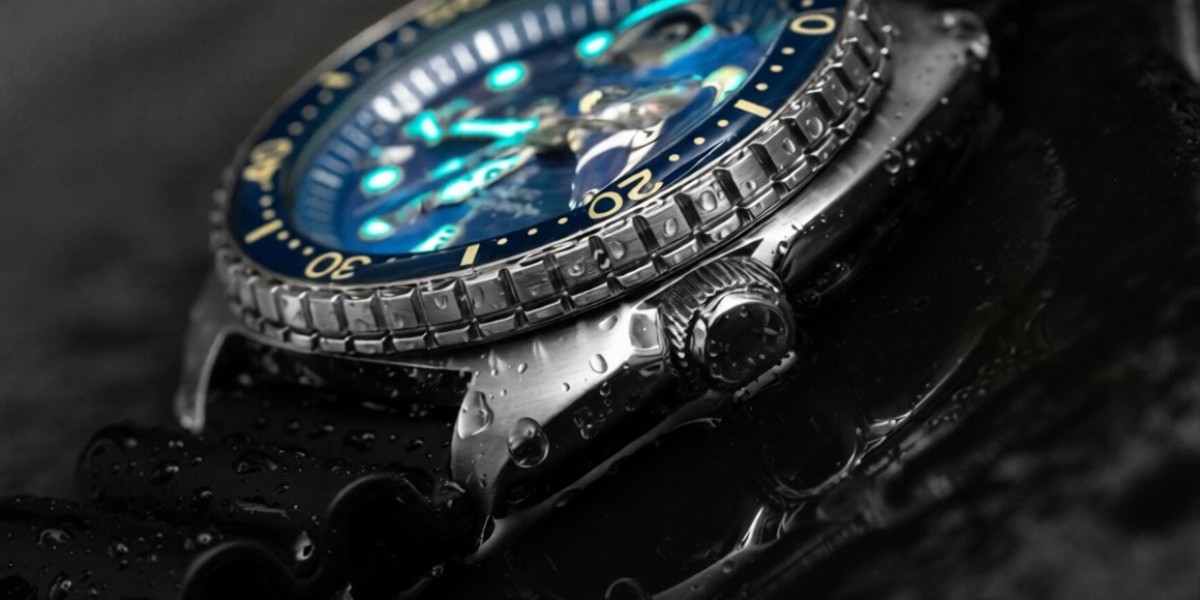

A watch dial does more than display the time. It defines the watch's character, influences its readability, and reflects the design philosophy behind the brand. King Seiko is known for combining Japanese watchmaking traditions with clean proportions, sharp case designs, and carefully finished dials. From understated colors to textured surfaces and distinctive hour markers, these watches appeal to people who appreciate detail without unnecessary decoration. Their dial designs balance classic elegance with modern styling, making them suitable for professional settings, formal occasions, and everyday wear.
What Makes King Seiko Dial Designs Unique?
King Seiko has a design heritage rooted in precision, simplicity, and attention to detail. Rather than relying on excessive decorative elements, its watches often use balanced layouts, carefully shaped hands, and contrasting markers to create a refined appearance.
The dial works together with the case, bezel, and bracelet to establish the watch's overall identity. Even small differences in color, texture, or marker shape can change how a model looks on the wrist.
Many designs also reflect the broader Japanese approach to aesthetics, where proportion, craftsmanship, and subtle visual details play an important role. This makes the dial appealing to people who prefer a watch that looks distinctive without appearing overly complicated.
How Do Colors Influence the Look of King Seiko Watches?
Dial color is one of the first features people notice when choosing a watch. It affects how easily the time can be read and how well the watch complements different clothing styles.
Black Dials for a Classic Appearance
Black dials offer a versatile and understated look. Their dark surfaces can create a strong contrast with silver-tone hands and hour markers, helping the time remain easy to read.
This color works particularly well with business clothing, formal outfits, and simple everyday combinations. Buyers looking for a watch that can move between different occasions may find a black dial especially practical.
Blue Dials for a Modern Touch
Blue dials provide a balance between traditional elegance and contemporary style. Depending on the finish and lighting, the color may appear deep and understated or brighter and more expressive.
A blue dial can complement navy suits, neutral clothing, denim, and smart-casual outfits. It is a useful option for someone who wants more color than a traditional black or white dial without choosing an overly bold design.
Silver and Light-Colored Dials for Everyday Versatility
Silver, white, and other light-colored dials often create a clean and refined appearance. They can make a watch look bright while allowing the hands and markers to stand out clearly.
These shades work well with both formal and casual clothing. They can also highlight the relationship between the dial and the watch's metallic case, creating a cohesive overall design.
When choosing a color, consider your wardrobe, preferred accessories, and the situations in which you expect to wear the watch most often.
Why Do Dial Textures and Finishes Matter?
Color is only one part of a watch dial's appearance. Its surface finish can create depth, reflect light, and make a design more interesting when viewed from different angles.
Sunray Finishes and Light Reflection
A sunray finish uses fine lines radiating across the dial to create changing reflections. As the watch moves, the surface may appear lighter or darker depending on the angle of the light.
This effect adds visual interest without making the dial look crowded. It also allows a relatively simple design to feel more dynamic.
Textured Surfaces and Japanese Design Influences
Some watch designs use carefully developed surface patterns to create a more distinctive appearance. These textures can provide subtle contrast while preserving a balanced layout.
Japanese watch design frequently emphasizes the relationship between light, materials, and form. When applied to a dial, this approach can make small details more noticeable without distracting from the primary purpose of displaying the time.
Specific textures and finishes vary between King Seiko models, so buyers should examine the individual reference rather than assume every watch shares the same surface treatment.
How Do Hour Markers and Hands Improve Readability?
A well-designed dial must be attractive and easy to read. Hour markers and hands are essential because they allow the wearer to identify the time quickly.
Applied Hour Markers
Applied markers sit above the dial surface instead of being printed directly onto it. This construction can create depth and produce subtle shadows as light changes.
Their shape, spacing, and finish also influence the watch's visual character. Slim markers often support a minimalist appearance, while more prominent markers can make the dial feel bolder.
Carefully Shaped Hands
The design of the hands affects both readability and overall balance. Their length, width, and finish should complement the hour markers without covering unnecessary portions of the dial.
On well-proportioned watches, the hands remain easy to distinguish while contributing to a cohesive design. Luminous material may also be present on selected models, helping improve visibility in low-light conditions.
A Balanced Dial Layout
The placement of the logo, hour markers, hands, and any additional displays determines whether a dial feels organized. A clean layout can make the watch easier to read and help its individual details stand out.
Date displays, where included, can add everyday convenience. However, buyers should consider whether they prefer the additional functionality or a simpler appearance.
How Can You Choose the Right King Seiko Dial?
Choosing the right dial involves understanding your personal preferences and how you plan to use the watch.
Consider Your Daily Routine
If you need a watch primarily for work, a black, silver, or blue dial can be a practical choice. These colors generally pair well with business clothing and remain appropriate for different professional settings.
For casual use, you may prefer a more distinctive color or surface finish. Think about whether you want the watch to blend into your outfit or become a noticeable accessory.
Match the Dial With the Case and Bracelet
The dial should complement the watch's case shape, metallic finish, and bracelet design. A silver-tone case can work with a range of dial colors, while the combination of a darker dial and polished surfaces may create stronger contrast.
Try to evaluate the complete watch rather than choosing a dial color in isolation. The proportions and finishing of the entire design determine how it looks on the wrist.
Check Comfort and Legibility
A beautiful dial is less useful if it is difficult to read. Examine the contrast between the hands, markers, and background, particularly if you expect to check the time frequently throughout the day.
If possible, view the watch in natural and indoor lighting. Photographs can sometimes make colors or finishes appear different from how they look in person.
Are King Seiko Dial Designs Suitable for Different Occasions?
One reason classic watch designs remain appealing is their ability to adapt to different situations.
For formal occasions, a restrained dial with a balanced layout can complement a suit or tailored outfit. For the workplace, a clean design provides a professional appearance without attracting excessive attention.
For weekends and casual activities, a blue or textured dial can introduce more personality while maintaining a refined look. The bracelet, strap, and case finish also influence how formal or relaxed the watch appears.
Rather than selecting a dial solely because it is fashionable, consider whether it suits your lifestyle and whether you will enjoy wearing it regularly.
What Should You Know Before Buying a King Seiko Watch?
Before purchasing, compare individual models carefully. Dial colors, textures, dimensions, movement specifications, and bracelet designs can vary across collections and references.
Check the official specifications for the exact model you are considering. Pay attention to case diameter, thickness, water resistance, movement type, power reserve where applicable, and the availability of servicing.
Price is another important consideration. Compare current retail prices and reputable pre-owned listings while checking the condition, authenticity, warranty, and included documentation. A model's desirability can depend on several factors, so avoid assuming that a particular dial color automatically makes a watch a better investment.
The best choice is one that combines an appealing design with comfortable dimensions, reliable functionality, and a price that fits your budget.
Final Thoughts
The appeal of King Seiko dial designs comes from the relationship between color, surface finishing, readability, and proportion. Rather than depending on elaborate decoration, these watches can create a distinctive impression through carefully considered details and balanced styling.
Whether you prefer a classic black dial, a versatile blue finish, or a clean silver appearance, the right choice depends on your personal style and everyday needs. By comparing the details of individual models and considering how each watch fits your lifestyle, you can find a design that remains attractive well beyond current trends.
Frequently Asked Questions
1. What dial colors are available in King Seiko watches?
Available colors vary by model and collection. Buyers may find options such as black, blue, silver, and other shades depending on the specific reference.
2. Why are textured watch dials popular?
Textured dials add depth and visual interest by changing how light interacts with the surface. They can make a watch distinctive without requiring complicated decoration.
3. Are King Seiko watches suitable for formal occasions?
Many models have restrained designs and balanced proportions that pair well with business and formal clothing. The best choice depends on the dial, case, bracelet, and overall styling.
4. How should you choose the best dial color?
Consider your wardrobe, preferred aesthetic, and typical activities. Neutral colors are versatile, while blue and other distinctive shades can add more personality.
5. Do all King Seiko models have the same dial design?
No. Colors, textures, markers, hands, and other details vary by model and reference. Reviewing the specifications and photographs of the exact watch helps you understand its individual features.




