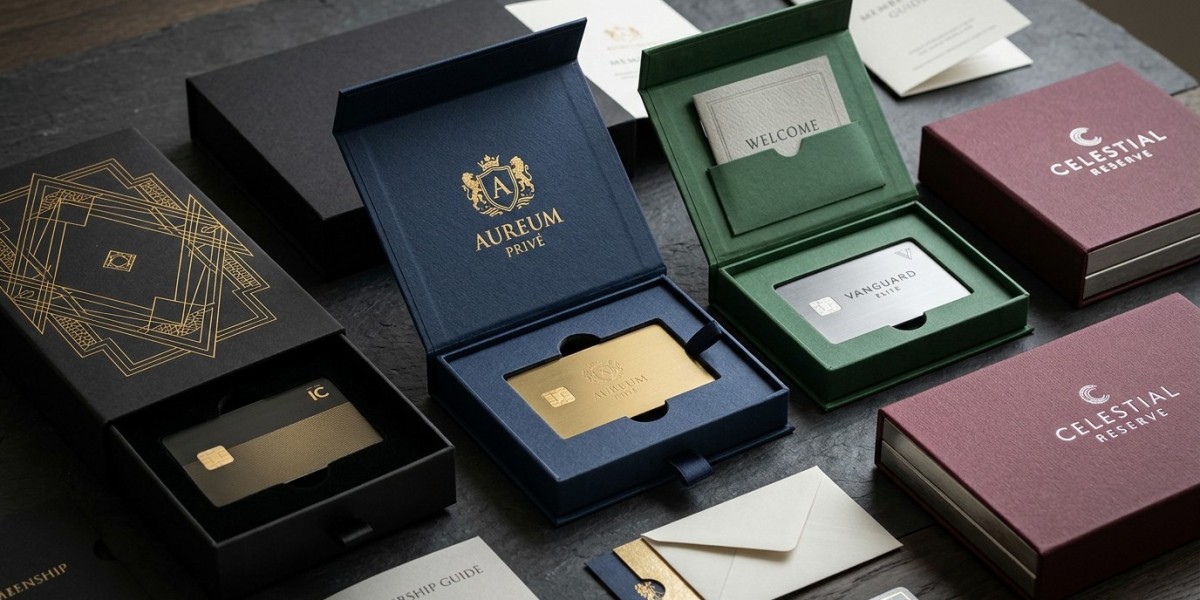

Credit Card Boxes: Custom Packaging for Protection and Professional Presentation
Credit cards and gift cards need packaging that protects the card while presenting it in a professional and attractive way. Credit card boxes are wholesale provide a practical packaging solution for financial institutions, retailers, promotional businesses, gift card sellers, and companies that issue branded cards. With custom dimensions, suitable materials, and professional printing, these boxes can improve presentation and support a consistent brand identity.
Whether a business needs packaging for bank cards, prepaid cards, membership cards, promotional cards, or gift cards, the right box can make a difference. A well-designed package helps keep cards organized, reduces the risk of scratches during handling, and creates a better customer experience.
From simple paperboard boxes to premium rigid packaging, businesses can choose designs based on the card type, quantity, protection requirements, and intended use. This guide explains the benefits, materials, styles, customization options, and costs of credit card boxes.
1. What Are Credit Card Boxes?
Credit card boxes are packaging containers designed to hold and present payment cards, gift cards, membership cards, or other cards with similar dimensions. They may be produced as folding cartons, compact rigid boxes, sleeves with protective inserts, or custom-designed packaging.
The appropriate design depends on whether the package holds one card, several cards, or a card accompanied by a letter, carrier, or promotional material.
Credit card boxes can be used for:
Bank and financial institution card packaging
Prepaid and gift cards
Retail loyalty and membership cards
Corporate promotional cards
Branded customer rewards cards
Special edition collectible cards
Card-and-accessory gift sets
A suitable box should fit the card securely without bending it or putting unnecessary pressure on its edges. For payment cards, packaging should also avoid exposing sensitive information and should not be presented as a security feature unless it has been specifically designed and tested for that purpose.
2. Why Credit Card Packaging Matters
Packaging serves both a practical and a branding purpose. Even a small card can benefit from thoughtful presentation.
Protects Cards During Handling
A properly sized box helps reduce scratches, dust exposure, edge damage, and movement during storage or transportation. For cards with magnetic stripes, chips, or special finishes, the packaging should be compatible with the card and its handling requirements.
Creates a Professional Impression
For banks, retailers, and corporate organizations, branded packaging can make card distribution feel organized and professional. A neat presentation helps reinforce the business's visual identity.
Supports Brand Recognition
Logos, brand colors, typography, and consistent design elements help customers associate the card with the issuing organization.
Improves Gift Presentation
Gift cards can be packaged in compact boxes that make them more suitable for birthdays, holidays, celebrations, and corporate gifting.
Keeps Cards Organized
Boxes and inserts can help separate multiple cards or organize cards with accompanying instructions, promotional materials, or presentation sleeves.
Supports Retail Display
Custom packaging can make gift cards and specialty cards easier to display in stores, promotional counters, and branded product collections.
3. Popular Types of Credit Card Boxes
Different packaging styles suit different card applications and budgets.
Custom Printed Credit Card Boxes
Custom printed boxes display a company's logo, brand colors, and other approved artwork. They are useful for financial institutions, retailers, membership programs, and businesses distributing branded cards.
Rigid Credit Card Boxes
Rigid boxes use thicker board to create a sturdy, premium presentation. They are suitable for luxury gift cards, VIP membership cards, special promotions, and corporate gifts.
Folding Carton Credit Card Boxes
Folding cartons are made from paperboard and can often be supplied flat before assembly. They can be an economical choice for large-volume card distribution, depending on the specifications and order quantity.
Credit Card Boxes with Inserts
An insert helps hold the card in position and can improve the presentation when the box is opened. Inserts may be made from paperboard, foam, or other suitable materials, depending on the product and packaging goals.
Gift Card Boxes
Gift card boxes are designed to present cards as gifts. They may include a lid, sleeve, ribbon, or printed message to create a more decorative appearance.
Multi-Card Boxes
Businesses distributing several cards together can use a compartmentalized box or a fitted insert. The design should prevent cards from rubbing against each other or becoming disorganized.
4. Best Materials for Credit Card Boxes
Material selection influences the box's strength, print quality, appearance, and cost.
Paperboard
Paperboard is a versatile option for compact packaging. It supports custom printing and can be suitable for single-card packaging, gift cards, and promotional cards.
Kraft Paperboard
Kraft paperboard offers a natural, understated appearance. It can work well for businesses that prefer minimalist designs or packaging made with paper-based materials.
Rigid Board
Rigid board provides a stronger structure and is commonly selected for premium card presentation. It is especially useful when the packaging needs to feel substantial or accommodate additional items.Custom credit card boxes are wholesale
Coated Paperboard
Coated paperboard offers a smooth printing surface that can support detailed graphics, bold colors, and clear typography.
Protective Inserts
Inserts help keep the card in position and may provide an additional layer of separation between the card and the box. The material should be selected according to the card's finish and the level of protection required.
When choosing a material, consider the card's dimensions, surface finish, storage conditions, expected handling, and whether the packaging will be mailed. Test a sample with the actual card before approving a large production order.
5. Custom Printing and Branding Options
Custom printing helps turn ordinary card packaging into a recognizable part of a company's brand experience.
Logo and Brand Colors
Place the logo where it can be seen clearly. Consistent colors and typography help connect the packaging with the issuing business.
Product and Card Information
Packaging may include the card type, brand name, usage instructions, or a short message. Only include information that is appropriate for the intended audience.
Interior Printing
Printing inside the box can provide additional branding space or display a welcome message. This option can be useful for premium membership cards, gift cards, and customer loyalty programs.
Foil Stamping
Metallic foil can highlight a logo or selected design elements. It is commonly used for premium gift packaging and special card collections.
Embossing and Debossing
Embossing raises a design element, while debossing presses it into the material. These finishes add texture and can create a distinctive appearance.
Matte and Gloss Finishes
Matte finishes create a smooth, understated look, while gloss finishes add shine. The choice should complement the brand's visual identity and printing requirements.
For payment cards, avoid printing or displaying confidential card details on the outside of the package. Use approved artwork and follow the issuing organization's information-security and privacy procedures.
6. Credit Card Boxes for Banks and Financial Institutions
Banks and financial institutions may require packaging for debit cards, credit cards, prepaid cards, and related customer materials. Packaging should be designed with both presentation and operational requirements in mind.
Compact Card Packaging
A compact box or sleeve can hold a card and accompanying documentation while limiting unnecessary space.
Clear Brand Identification
Approved logos, colors, and typography help customers identify the issuing institution and distinguish official materials from unrelated promotional items.
Space for Customer Information
Some card packages include welcome messages, activation instructions, or guidance directing customers to official channels. Sensitive information should be handled separately according to the institution's security procedures.
Secure Distribution Processes
Packaging alone does not guarantee card security. Financial institutions should use suitable fulfillment procedures, controlled handling, and appropriate safeguards for card personalization and delivery.
Consistent Packaging Standards
Standardized dimensions and artwork can simplify ordering, storage, and distribution across branches or service locations.
The final packaging design should be reviewed by the relevant operational, branding, and security teams before production.
7. Credit Card Boxes for Gift Cards and Corporate Promotions
Gift cards and promotional cards often benefit from packaging that makes them feel like a complete product rather than a simple plastic card.
Retail Gift Cards
Retailers can use branded boxes for gift cards sold during holidays, birthdays, and special shopping events. A compact package can make the card easier to present as a gift.
Corporate Gift Cards
Companies can use custom boxes for employee recognition, customer appreciation, and promotional campaigns.
Loyalty and Membership Cards
Membership programs can package cards with welcome messages or program information. Consistent packaging supports a professional introduction to the service.
Event and Promotional Cards
Businesses can create special packaging for conferences, product launches, exhibitions, and branded giveaways.
Premium Gift Sets
For selected campaigns, a card can be combined with a small booklet, greeting card, or other promotional item. The box dimensions and insert should be designed around the complete set.
8. How to Choose the Right Credit Card Box Size
Accurate sizing is important for both protection and presentation.
Start by measuring the card and any additional items that need to fit inside the package. Consider the card's thickness, protective sleeve, insert, and any accompanying printed material.
The interior should provide enough clearance for easy placement and removal without allowing excessive movement. A box that is too tight can make removal difficult, while one that is too large may allow the card to shift during transport.
If you plan to mail the package, consider the outer shipping envelope or carton as well. The complete packaging system should protect the card under realistic handling and delivery conditions.
Before ordering in bulk, request a sample and check:
Internal dimensions and card fit
Ease of opening and closing
Insert alignment
Print quality and color consistency
Protection during normal handling
Compatibility with the intended shipping method
Testing the complete package helps prevent avoidable problems during distribution.
9. What Affects the Cost of Credit Card Boxes?
The cost of credit card boxes depends on the materials, structure, customization, and quantity ordered.
Material: Standard paperboard and premium rigid board have different costs.
Box size: Larger packages generally require more material.
Printing: Artwork complexity, number of printed areas, and printing methods affect pricing.
Finishing: Foil stamping, embossing, and specialty coatings may increase the cost.
Inserts: Custom inserts require additional materials and production steps.
Structural design: Magnetic closures, lids, and unusual shapes can increase manufacturing complexity.
Order quantity: Larger production runs may reduce the per-unit cost, depending on setup expenses.
Assembly and packing: Labor requirements can affect the final price.
Shipping: Delivery costs depend on order volume, package dimensions, and destination.
When requesting quotes, provide the same specifications to each supplier. Include dimensions, material, printing, finish, insert requirements, quantity, and delivery details so that the prices can be compared fairly.
10. How to Choose a Reliable Credit Card Box Manufacturer
Selecting a suitable packaging manufacturer helps ensure consistent quality and timely delivery.
Review samples of previous work and assess the material, print clarity, structural strength, and overall finish. Confirm that the manufacturer can produce the required dimensions and accommodate any inserts or special closures.
Ask for a detailed quotation covering minimum order quantity, sample charges, setup fees, production time, shipping, and quality-control procedures.
For financial or payment-card projects, clarify confidentiality expectations and approved artwork handling. If card distribution involves sensitive data, coordinate packaging production with the issuing organization's established security and fulfillment processes.
Before placing a large order, approve a final proof and test a physical sample. Confirm the card fits correctly, the package closes securely, and the finished design matches the approved specifications.
A reliable supplier should communicate clearly, provide realistic production timelines, and explain how defects or inconsistencies will be handled.
Frequently Asked Questions About Credit Card Boxes
1. What are credit card boxes used for?
Credit card boxes are used to package bank cards, prepaid cards, gift cards, membership cards, and promotional cards. They can protect cards during handling and improve their presentation.
2. Can credit card boxes be customized?
Yes. Businesses can customize box dimensions, materials, colors, logos, printing, inserts, and finishing options to match their branding and packaging needs.
3. What material is best for credit card packaging?
Paperboard is suitable for many standard card packages, while rigid board provides a more premium structure. The best choice depends on the card, required protection, design, and budget.
4. Are credit card boxes suitable for gift cards?
Yes. Custom gift card boxes can provide an attractive presentation for retail gifts, corporate promotions, holidays, and special events.
5. Can credit card boxes include inserts?
Yes. Inserts can hold cards in position and organize additional items, such as welcome messages or small printed materials.
6. How can I order custom credit card boxes?
Prepare the card dimensions, desired material, quantity, artwork, and finishing requirements. Request supplier quotations and a physical sample before approving full production.
Conclusion
Custom bluebird packaging offer a practical way to package and present bank cards, gift cards, membership cards, and promotional cards. With suitable materials, accurate dimensions, and professional branding, businesses can improve product presentation while helping protect cards during storage and handling.
The best packaging solution balances appearance, functionality, cost, and the specific requirements of the card being distributed. By comparing box styles, testing samples, and choosing a reliable manufacturer, businesses can develop consistent packaging that supports their brand identity and customer experience.
If you're preparing this topic for a packaging website, a useful next step is to create a matching product page with a clear call to action, such as Request a Custom Quote.