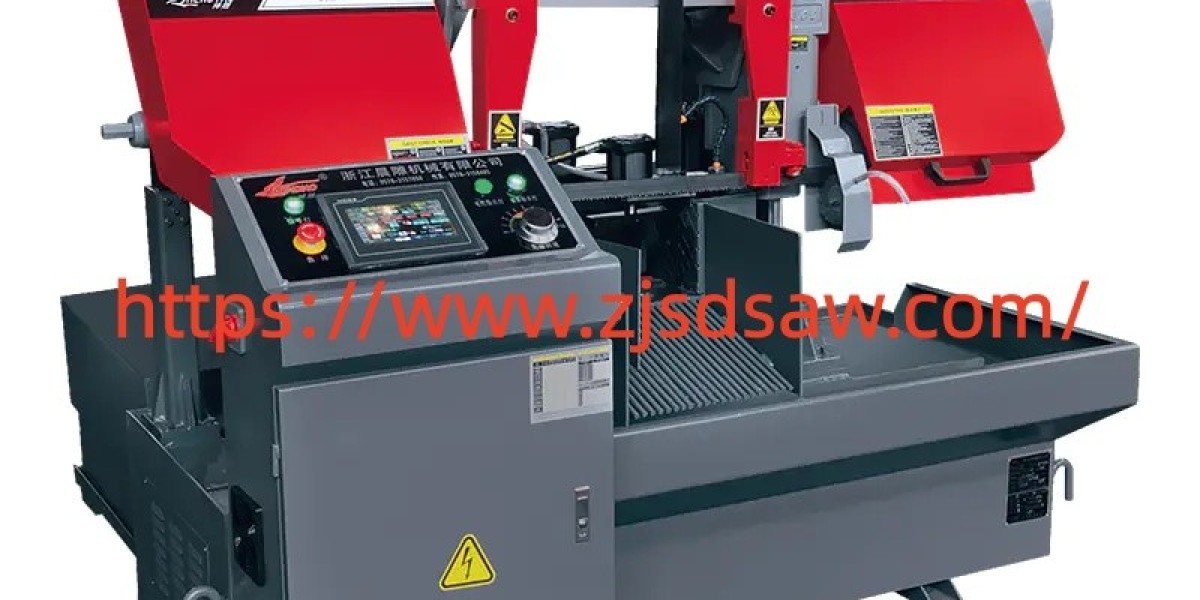

Horizontal Metal Cutting Band Saw Machine selection begins with a clear understanding of your workshop requirements, the materials you process, and the dimensions of your regular workpieces. A machine that fits your actual workload can help maintain a steady production rhythm, reduce unnecessary handling, and support consistent results across different jobs. Before comparing models, take time to examine how cutting equipment will fit into your existing workflow rather than focusing on specifications alone.
Every workshop has its own priorities. A small fabrication business may process steel tubes, rectangular profiles, and occasional solid bars, while a manufacturing facility might prepare dozens of identical blanks during each shift. These differences affect the required capacity, feeding method, blade configuration, and level of automation. Recording the dimensions and quantities of your usual stock provides a practical starting point. It also helps you avoid paying for features that rarely contribute to your daily operations.
Cutting capacity deserves particular attention during the selection process. Check the maximum round diameter and rectangular dimensions supported by each model, including any differences between straight and angled cuts. The largest item you process regularly should guide your decision, but leave reasonable room for occasional changes in workload. Consider how long stock will be positioned and supported before and after each cut. Suitable roller tables, material stops, and stable clamping arrangements can make a noticeable difference when operators handle lengthy sections throughout the day.
Material type is another important consideration. Carbon steel, stainless steel, aluminum, and other alloys behave differently under the blade, so one configuration may not suit every application. Wall thickness, hardness, and cross-sectional shape also influence the cutting process. Thin tubing, for example, requires different tooth engagement from a thick solid bar. Selecting an appropriate blade pitch and speed range helps control vibration, heat, and wear. Ask the equipment supplier to recommend a setup based on your actual materials rather than relying on a general specification sheet.
Feed control and workholding deserve equal attention. A stable vise keeps stock in position, while a controlled descent helps the blade move through the workpiece at a suitable rate. Excessive pressure can damage teeth or cause the blade to wander, whereas insufficient feed may create unnecessary friction. For workshops handling repeated batches, adjustable feed settings and dependable length stops can simplify routine tasks. Businesses with larger production volumes may also benefit from semi-automatic or automatic feeding, provided the added functions match their real operating needs.
The machine's construction and maintenance requirements should be reviewed before making a purchase. A rigid frame, properly aligned guides, and a dependable drive system contribute to stable operation. Check whether the controls are straightforward for operators to use and whether routine inspection points are accessible. Blade replacement, coolant management, chip removal, and lubrication all influence the time required to keep equipment running. Easy access to consumable parts and clear maintenance instructions can help workshops organize servicing without disrupting their schedules unnecessarily.
Production planning should extend beyond the purchase price. Electricity requirements, installation space, operator training, replacement blades, and routine servicing all contribute to ownership costs. Confirm the available power supply and measure the intended installation area, allowing enough clearance for loading, unloading, and maintenance. It is also sensible to ask about delivery arrangements, warranty coverage, spare parts, and technical assistance. A detailed quotation makes it easier to compare machines according to their expected role rather than choosing solely on initial expense.
Safety should remain part of every purchasing decision. Check the availability of blade guards, emergency stops, suitable workpiece clamping, and other protective features specified for the machine. Operators should receive appropriate training and follow the manufacturer's instructions during setup, operation, and servicing. Long stock must be supported properly, and loose clothing or hands should remain clear of moving components. Establishing practical operating procedures helps create a more organized working environment while protecting both personnel and equipment.
Choosing suitable equipment becomes easier when these factors are considered together. Chendiao encourages buyers to evaluate their material dimensions, expected cutting volume, required accuracy, and available workshop resources before settling on a configuration. This approach helps connect machine specifications with everyday production demands, whether the goal is preparing stock for welding, supplying components for machining, or maintaining a consistent fabrication schedule. To review available equipment and identify a suitable option for your application, visit https://www.zjsdsaw.com/product/ and compare the available configurations against your workshop requirements.