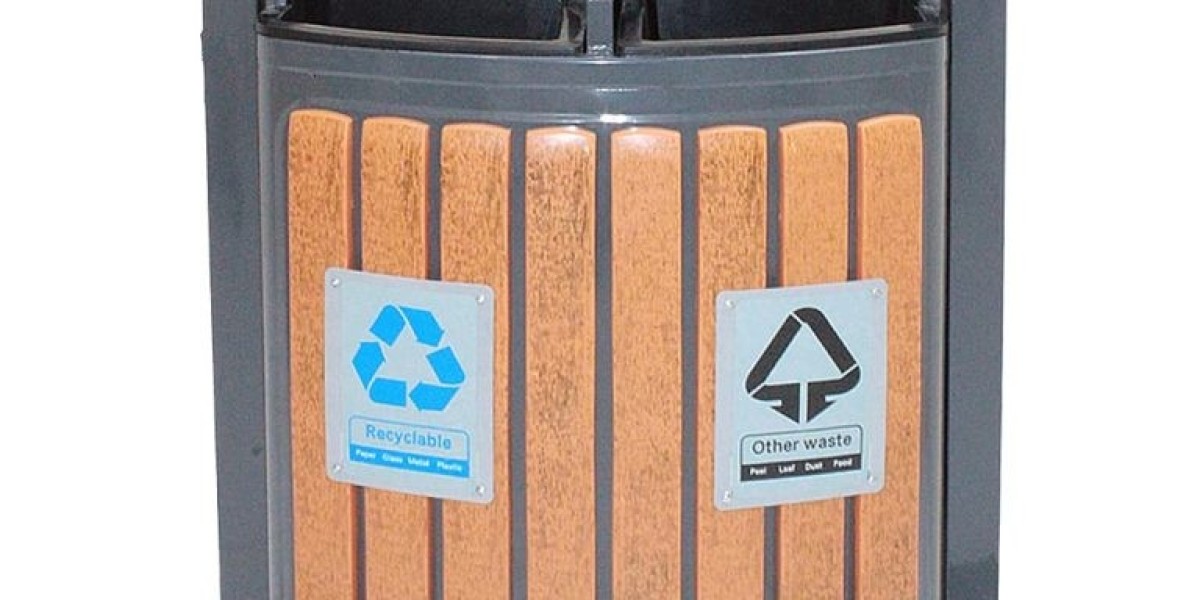

As businesses expand and hire more employees, their daily waste generation often increases. Offices may produce larger quantities of paper, packaging, plastic bottles, food containers, and general waste. Without a suitable waste management system, bins can overflow quickly, shared areas may become untidy, and recyclable materials may end up mixed with general rubbish.
Choosing the right recycle bin solutions helps growing offices manage waste more efficiently while keeping workspaces clean and organised. By reviewing employee numbers, waste types, bin placement, and collection schedules, businesses can create a practical recycling system that supports their changing workplace requirements.
Assess Waste Generation Across the Office
The first step is to understand how much waste the office produces and where it accumulates. Departments with printing stations may generate more paper, while shared kitchens and break rooms may produce food packaging, bottles, and disposable containers.
As employee numbers increase, an existing waste management setup may no longer provide enough capacity. Monitor how quickly bins fill during a typical working week and identify areas where waste frequently overflows.
This information helps office managers determine the number, size, and type of bins required. Instead of placing additional containers randomly, businesses can develop a system based on actual waste generation and workplace activity.
Choose the Right Recycle Bin Capacity
Bin capacity should match the number of employees using each area and the frequency of waste collection. Small bins may work well at individual workstations, while larger containers are often more suitable for shared kitchens, meeting rooms, and common areas.
A growing office may benefit from a combination of compact desk-side bins and central recycling stations. This arrangement keeps individual workspaces organised while providing sufficient capacity for recyclable materials.
When selecting a recycle bin, consider its dimensions, durability, lid design, and ease of emptying. Containers should fit the available space without blocking walkways or making waste disposal inconvenient.
Introduce Clear Waste Separation
An effective recycling system makes it easy for employees to identify where different materials belong. Offices commonly generate paper, cardboard, plastic packaging, metal cans, and general waste, although accepted recyclable materials depend on the local collection service.
Use clearly labelled bins to separate these waste categories. Colour-coded containers can also help employees recognise the correct disposal point quickly.
Where space permits, place multiple bins together to create central recycling stations. Clear labels and simple instructions reduce confusion and help prevent recyclable materials from becoming contaminated by unsuitable waste.
Place Bins in Convenient Locations
Even a well-designed recycling system may fail if bins are difficult to access. Growing offices should position containers near printers, kitchen areas, meeting rooms, entrances, and other locations where waste is commonly generated.
Central recycling stations can work particularly well in shared spaces, while smaller containers may be appropriate for individual departments. The placement should encourage regular use without cluttering the office.
Review bin locations whenever the office layout changes or new departments are added. Convenient placement can improve participation and reduce the amount of waste left on desks or disposed of incorrectly.
Plan Regular Emptying and Collection
More employees generally mean more waste, making collection schedules an important part of office management. Bins that are not emptied frequently enough can overflow, create unpleasant conditions, and discourage employees from recycling.
Cleaning teams should monitor waste levels and adjust emptying schedules according to actual usage. High-traffic areas may require more frequent attention than individual offices or meeting rooms.
Businesses should also coordinate with their waste collection provider to confirm accepted materials, collection frequency, and container requirements. This helps maintain a consistent process as the workforce grows.
Encourage Employee Participation
Employees play an important role in maintaining an effective recycling system. Provide simple guidance about waste separation during onboarding and display clear instructions near shared bins.
Managers can encourage participation by making recycling convenient and explaining how correct sorting supports responsible resource management. Periodic reviews can identify common disposal mistakes and highlight areas that need better signage or additional containers.
Conclusion
Growing offices need waste management systems that can adapt to increasing employee numbers and changing daily requirements. Selecting suitable recycle bin capacities, providing clear waste separation, choosing convenient locations, and maintaining regular collection schedules can help businesses manage waste more effectively. With the right equipment and employee participation, offices can maintain cleaner workspaces, improve recycling practices, and prepare their waste management systems for future growth.