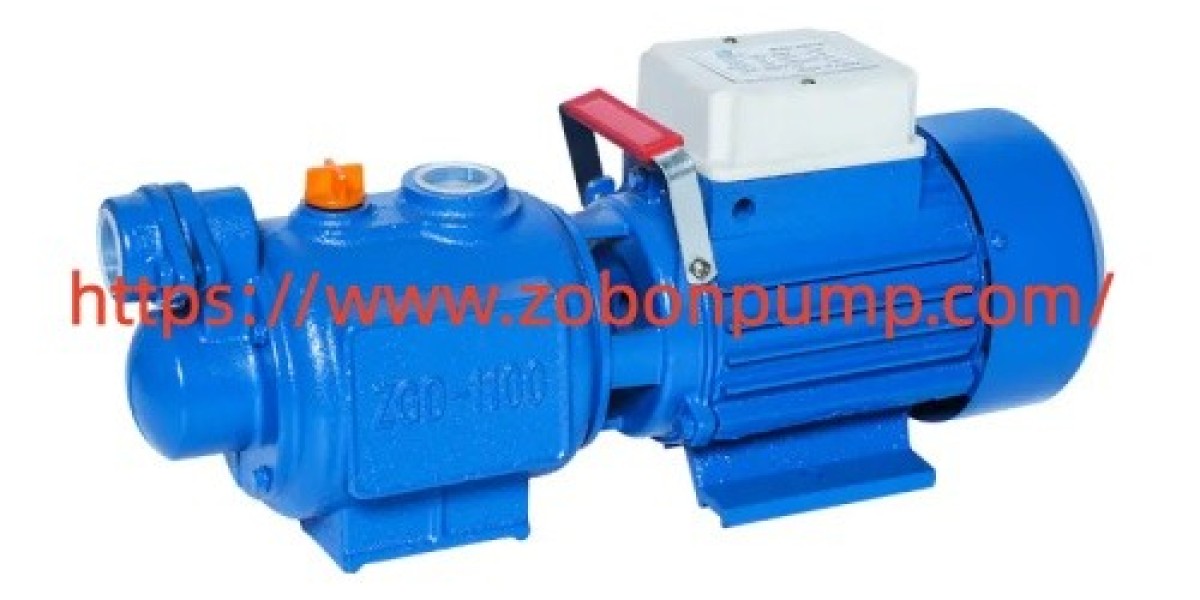

Solar Water Pump selection often begins with a simple goal. Move water where it is needed without relying entirely on conventional power. The idea sounds straightforward, yet many purchasing decisions become complicated because important site details are collected too late. A farm, a remote property, and a livestock watering project may all require different configurations even when they appear similar at first glance. Taking time to check a few key details before ordering can make installation smoother and help avoid unnecessary adjustments later.
Imagine arriving at a field just after sunrise. The storage tank is nearly empty, irrigation needs to begin before the afternoon heat, and sunlight gradually increases as the morning progresses. In situations like this, daily water demand matters more than a single specification on a product sheet. Thinking about how much water is needed throughout the day creates a clearer starting point than focusing only on motor power.
The first number worth calculating is daily water demand. Instead of asking how fast the equipment can move water, ask how much is required during the busiest day of the season. Irrigation schedules, livestock consumption, and storage tank capacity all influence this figure. Once the daily target is clear, it becomes easier to compare available models and discuss suitable options with a supplier.
The next step is measuring total dynamic head. Many buyers only look at well depth, but the real lifting requirement includes several additional factors. Water level during operation, elevation to the destination, pipe length, bends, valves, and friction losses all affect performance. Two properties with wells of similar depth can require different configurations simply because their pipelines follow different routes. Recording accurate measurements before requesting a quotation gives manufacturers better information for product selection.
Sunlight conditions deserve equal attention. A location with long sunny days creates different operating expectations from an area with frequent cloud cover or seasonal weather changes. Instead of selecting panels based only on the motor rating, consider available sunlight during the months when water demand reaches its peak. Panel sizing should support the required daily output under realistic site conditions rather than ideal laboratory figures.
The controller is another component that should not be overlooked. It helps regulate power between the panels and the pumping equipment while protecting the motor during changing sunlight conditions. Buyers should confirm voltage compatibility, operating range, and available protection features before finalizing a purchase. A properly matched controller contributes to smoother operation throughout the day.
Water source conditions also influence equipment selection. A shallow pond, a storage tank, and a deep borehole present different installation requirements. If the source contains sand or suspended particles, material selection and filtration deserve additional attention. Providing these details during the quotation stage helps narrow the available options before installation begins.
Many projects also benefit from thinking about storage instead of continuous operation. Filling a storage tank during daylight hours allows water to remain available when sunlight becomes weaker later in the day. For irrigation systems, this approach can provide greater flexibility without requiring every task to happen during the brightest hours.
Maintenance planning is another part of a practical purchasing decision. Dust, changing weather, and seasonal operation can all affect equipment over time. Ask about inspection intervals, replacement components, routine servicing, and technical documentation before ordering. These conversations often save time once the equipment is already in service.
Before contacting a manufacturer, prepare a simple project checklist. Include daily water demand, total dynamic head, water source type, installation location, pipe route, available sunlight, power requirements, and storage plans. Having these details ready creates more productive discussions and helps suppliers recommend configurations based on actual project conditions instead of assumptions.
Caifu works with customers across different applications, where every installation brings its own requirements. A thoughtful purchasing process begins with accurate site information and realistic operating expectations rather than relying on a single specification. If you are planning a new installation or reviewing equipment for an existing project, visit https://www.zobonpump.com/ to review available Caifu product options and discuss the details that matter for your application.




