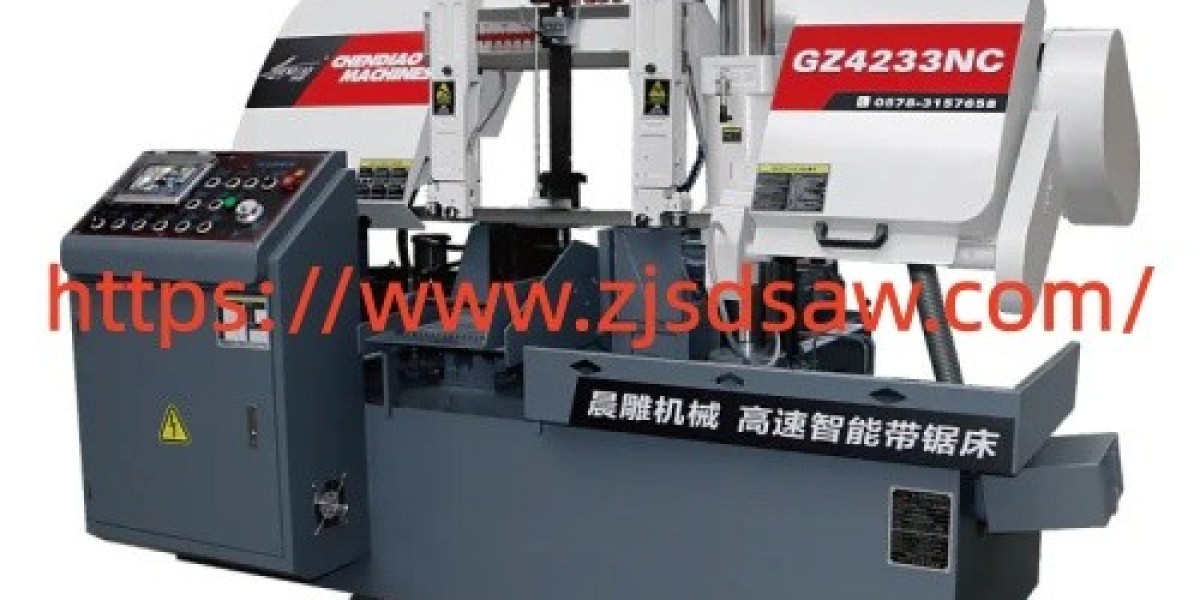

Fully Automatic Metal Cutting Band Saw Machine selection begins with a clear understanding of production goals, workpiece requirements, and workshop conditions. For manufacturers handling regular batches of steel bars, tubes, and structural profiles, automation can change how materials move through daily operations. However, purchasing decisions should consider more than the degree of automation. Capacity, feeding arrangements, control functions, maintenance access, and supplier support all influence whether a particular configuration fits an actual manufacturing environment.
Material characteristics should be the starting point. Different alloys, shapes, thicknesses, and hardness levels require appropriate operating parameters and tooling. Buyers should list the materials processed regularly, along with their dimensions and required finished lengths. Occasional projects involving larger workpieces should also be considered. This information helps establish the required working range and reduces the risk of choosing equipment that cannot accommodate routine orders.
Feeding performance deserves particular attention when production involves repeated batches. An automated feeding system can position stock according to programmed requirements, reducing the need for repeated manual measurements. Buyers should examine the available feed length, positioning method, clamping arrangement, and compatibility with their existing handling systems. Long bars may require additional support, while short workpieces can present different positioning challenges. A practical demonstration using representative stock can help confirm whether the proposed arrangement suits the intended workflow.
Control functions are another important consideration. A programmable interface allows operators to enter processing parameters and manage recurring production tasks. Before purchasing, buyers should assess whether the interface is easy to navigate, whether commonly used settings can be stored, and whether adjustments can be made when order specifications change. Clear operating instructions and accessible parameter settings can help simplify staff training. The control system should match the team's experience and the complexity of its daily assignments.
Finished dimensions depend on several interacting factors, including blade condition, material stability, feed settings, and equipment alignment. Buyers should ask suppliers how their proposed configuration handles different stock profiles and what procedures are recommended for maintaining dimensional consistency. It is also useful to discuss suitable blade tooth pitches and operating speeds for the intended materials. Reviewing sample results under realistic conditions provides a practical basis for evaluating suitability rather than relying on specification sheets alone.
Production volume should guide the level of automation required. Businesses processing large batches of similar components may benefit from programmable feeding and repeatable operating cycles. Workshops handling frequent product changes may place greater value on flexible settings and straightforward changeovers. Buyers should estimate daily quantities, average batch sizes, setup time, and expected future demand before deciding which functions are necessary. This approach helps balance investment costs against the operational benefits expected from automation.
Workshop layout and material handling should not be overlooked. The equipment needs sufficient installation space, safe access for operators, and room for loading and unloading stock. Buyers should check the overall dimensions, electrical requirements, coolant arrangements, chip collection provisions, and compatibility with existing production lines. They should also consider how finished pieces will be transferred to the next processing stage. Planning these details before delivery can help avoid unnecessary changes to the factory layout.
Maintenance planning is equally important for long term operation. Blades, guides, hydraulic components, and other wear related parts may require scheduled inspection or replacement. Ask the supplier about recommended maintenance intervals, spare parts availability, troubleshooting procedures, and technical assistance. The cost of consumables and routine servicing should be included when comparing quotations. A clear understanding of these requirements helps purchasing teams estimate ongoing expenses and prepare suitable maintenance schedules.
Safety arrangements and operator training deserve equal attention. Buyers should review protective guards, emergency stop functions, clamping procedures, and instructions for handling chips and replacing blades. Operators need appropriate training before using the equipment independently. Supplier documentation should explain routine checks, safe operating procedures, and maintenance precautions. A well planned introduction process can help teams establish consistent working practices and reduce avoidable operational interruptions.
For manufacturers seeking equipment that aligns with specific production requirements, Chendiao provides industrial processing solutions and configurable options for different applications. Before placing an order, prepare your material specifications, expected output, installation conditions, and preferred control functions so that the supplier can assess the application clearly. You can review the available product range and contact the manufacturer through the official website at https://www.zjsdsaw.com/ to discuss suitable configurations for your production plans.