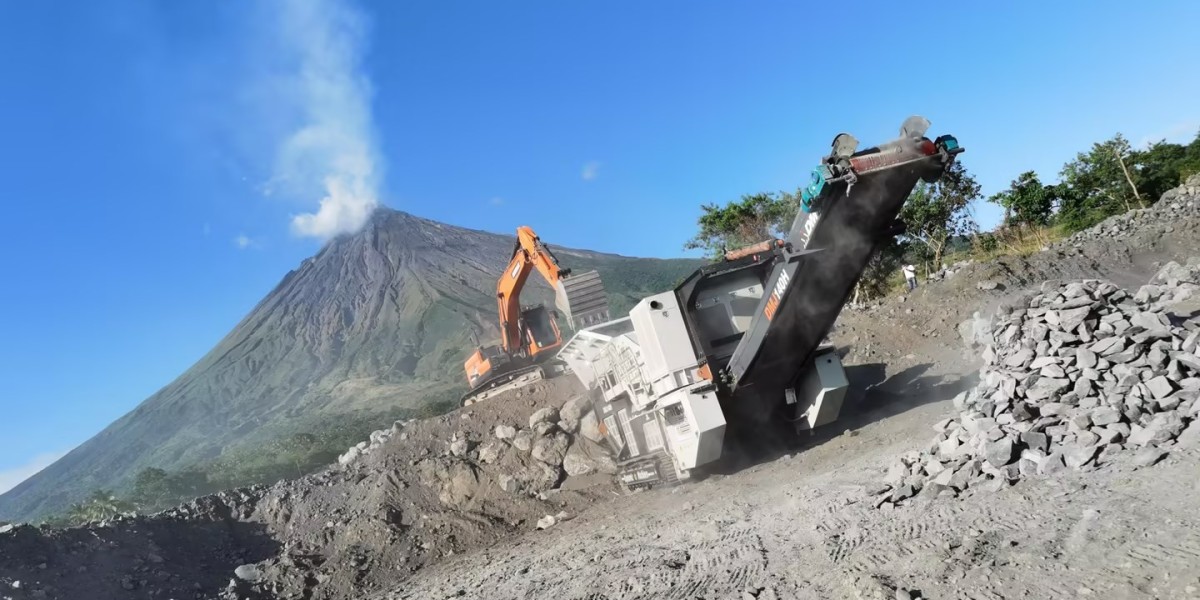

In quarrying, mining, construction, and recycling operations, a Crushing Plant functions as an integrated material processing system rather than a collection of unrelated machines. Feeding equipment, reduction equipment, screening systems, conveyors, and stockpiling arrangements must work together to maintain a stable flow of material. Effective system design therefore begins with an understanding of the raw material, required product characteristics, site conditions, and expected production workflow. Coordinating these elements can improve process consistency while reducing unnecessary handling and mechanical stress.
Material properties are among the first considerations when planning an industrial processing system. Different types of rock and recycled material can vary in hardness, abrasiveness, density, moisture, and fracture characteristics. These properties influence equipment selection, wear rates, energy requirements, and product quality. A system designed around actual feed characteristics is generally better positioned to maintain stable operation than one based solely on nominal production objectives.
Feeding is particularly important because it establishes the operating conditions for the rest of the process. An uneven feed can produce fluctuating loads, while excessive quantities of oversized material may increase the possibility of blockage or component damage. Feed preparation can help reduce these issues by controlling material size and removing unwanted objects before processing. For recycled construction materials, preliminary separation of steel, wood, plastic, and other contaminants can protect mechanical components and improve the quality of the recovered material.
The reduction stage should be selected according to both feed properties and final product requirements. Different mechanical methods produce different particle characteristics, so the equipment arrangement should reflect the intended application. Primary processing may handle larger feed material, while additional stages can refine the output for specific aggregate requirements. A coordinated sequence can reduce unnecessary recirculation and help maintain a more predictable product distribution.
Screening plays an equally important role in final classification. A suitable screening process separates material according to required size ranges and can return oversize material for further processing when necessary. Screen surfaces need regular inspection because blockage, damage, or excessive wear can influence separation efficiency. Properly maintained screening equipment can help prevent unsuitable material from entering final stockpiles.
Conveying systems are another important part of overall process stability. Material transfer points should be designed to minimize unnecessary accumulation, spillage, and impact. Belt alignment, tension, rollers, and transfer areas require regular inspection. Good conveyor maintenance can reduce interruptions and help maintain continuous movement between processing stages.
Maintenance planning should be incorporated into system design from the beginning. Operators need practical access to wear components, lubrication points, inspection areas, drive systems, and conveyor assemblies. Regular inspections can identify abnormal vibration, loose fasteners, damaged liners, belt problems, or other developing faults. Maintenance records can also reveal recurring issues and support more accurate preventive service planning.
Safety management must address the complete processing system. Rotating equipment, moving belts, falling material, stored energy, and maintenance access points can all create hazards. Protective guards, emergency stop systems, clearly marked walkways, warning signs, and energy isolation procedures help establish safer working conditions. Personnel should also receive appropriate training for normal operation, equipment adjustment, cleaning, and maintenance activities.
Environmental considerations increasingly influence the design and management of material processing facilities. Dust control, noise reduction, controlled discharge, efficient transportation, and responsible water use can help limit environmental impacts. Recycling operations may additionally contribute to resource efficiency by recovering valuable material from construction waste. Reducing unnecessary material movement can improve both process efficiency and overall resource utilization.
A properly coordinated Crushing Plant brings material characteristics, mechanical design, feeding, screening, conveying, maintenance, and safety into one integrated workflow. Rather than evaluating individual machines separately, project planners can assess how the complete system responds to changing feed conditions and production requirements. Further equipment information can be reviewed at https://www.dmcrushers.com/product/stationary-crusher/ when considering an appropriate material processing configuration.