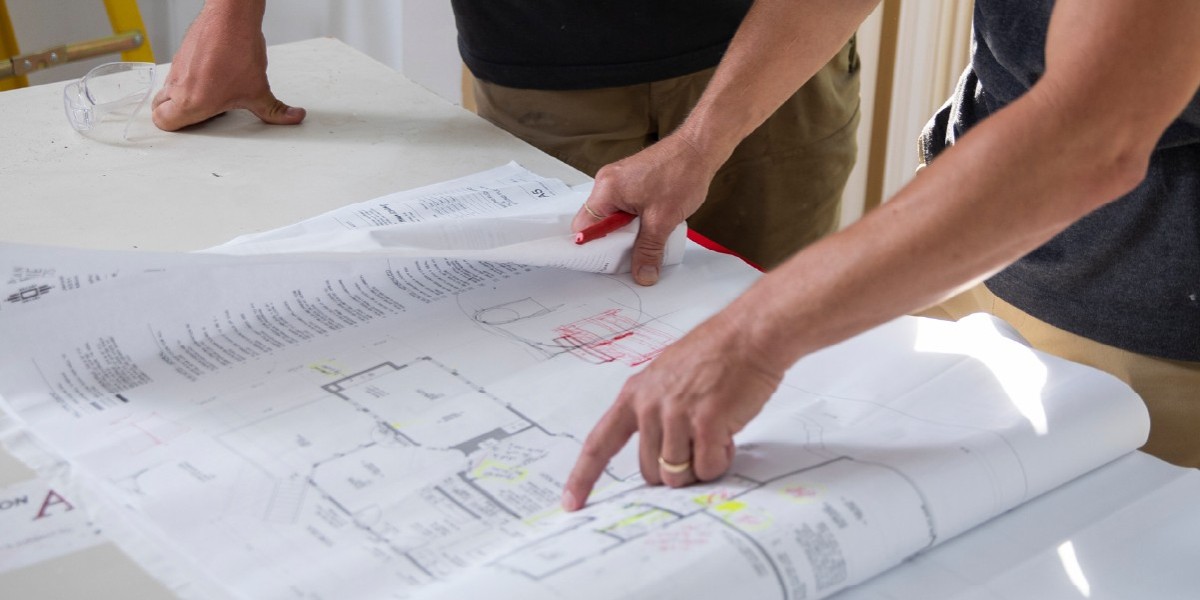

Successful construction projects depend on careful planning before work begins. Construction project planning provides a clear roadmap for managing resources, schedules, budgets, materials, and teams. By identifying project requirements and potential challenges early, construction professionals can improve coordination, reduce delays, and maintain better control throughout the project.
Define Project Requirements
The first step in construction project planning is understanding the project's goals and requirements. This includes defining the scope of work, project specifications, expected completion date, quality standards, and client expectations. A clearly defined scope helps project teams understand their responsibilities and reduces confusion during construction.
Create a Realistic Project Schedule
A detailed construction schedule helps organize activities from the initial preparation through project completion. Each phase should have realistic timelines, assigned responsibilities, and clear dependencies. Proper scheduling helps teams coordinate tasks and identify activities that could affect the overall completion date.
Establish a Construction Budget
Budget planning is another important part of construction project planning. Project managers should estimate costs for labour, materials, equipment, subcontractors, permits, and other project expenses. Including appropriate allowances for unexpected costs can also help reduce the financial impact of unforeseen challenges.
Plan Resources and Materials
Construction projects require the right materials, equipment, and workforce at the right time. Planning resource requirements in advance helps prevent shortages and unnecessary downtime. Material procurement should also be coordinated with the construction schedule so essential supplies arrive when they are needed.
Identify Potential Risks
Every construction project can face risks related to weather, site conditions, supply chains, labour availability, design changes, or budget fluctuations. Identifying these risks during the planning stage allows project teams to develop practical strategies for reducing their impact.
Improve Communication and Coordination
Effective communication keeps owners, architects, engineers, contractors, subcontractors, and suppliers aligned. Regular meetings, project documentation, progress updates, and clearly defined responsibilities can help prevent misunderstandings and improve decision-making throughout the construction process.
Maintain Quality and Safety Standards
Planning should also include quality control and workplace safety requirements. Construction teams can establish inspection procedures, material standards, safety protocols, and compliance requirements before work begins. This creates a structured approach to maintaining quality while protecting workers and other project participants.
Prepare for Changes
Construction projects can experience changes after work has started. A strong planning process includes procedures for reviewing design modifications, cost changes, schedule adjustments, and additional work. Proper change management helps teams evaluate the effects of modifications before implementing them.
Monitor Project Progress
Planning does not end once construction begins. Project managers should regularly compare actual progress with the original schedule and budget. Monitoring performance allows teams to identify problems early and make adjustments before they become larger issues.
Conclusion
Effective construction project planning creates a strong foundation for organized and efficient project delivery. By defining requirements, developing schedules, managing budgets, coordinating resources, identifying risks, and maintaining communication, construction teams can handle projects with greater clarity and control. Careful planning can ultimately support better quality, improved efficiency, and smoother project completion.