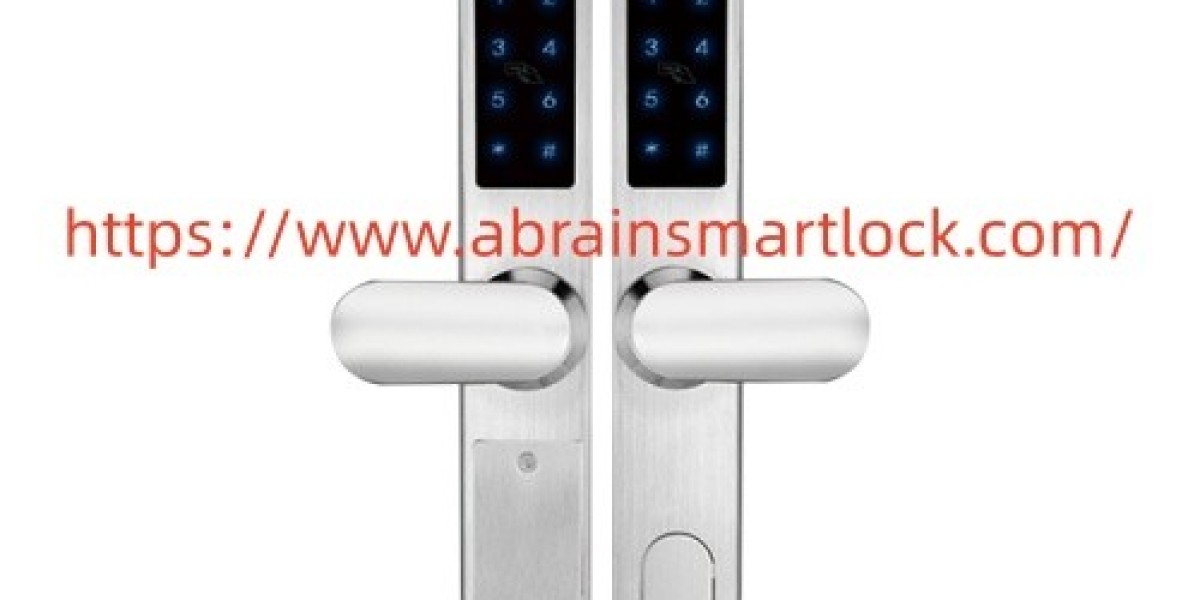

304 Stainless Steel Smart Lock selection involves more than checking the appearance of the housing. Buyers should consider the door structure, installation environment, material quality, access methods, power supply, connection options, and maintenance requirements before placing an order. For residential entrances, offices, apartments, hotels, cabinets, and other access points, the surrounding environment and frequency of use can influence which configuration is appropriate. Recent purchasing guides also emphasize checking physical compatibility and power arrangements before focusing on connected functions.
Material is naturally one of the first points buyers may investigate. Grade 304 stainless steel is commonly used in door hardware because its chromium and nickel composition provides useful resistance to everyday moisture and corrosion. However, material grade should not be viewed in isolation. Surface finishing, fabrication quality, cleaning practices, and the surrounding environment can all affect actual service conditions. Recent industry guidance also notes that 304 stainless steel can be suitable for many general applications, while environments with heavy salt exposure may require a different material consideration.
The installation environment should therefore be considered alongside material selection. A device installed under a covered entrance may face very different conditions from one mounted on an exposed gate. Rain, humidity, dust, sunlight, temperature changes, and coastal air can all influence hardware over time. Buyers should check the stated environmental limits and any available ingress protection information instead of assuming that a metal housing automatically makes a product suitable for every exterior location. IP ratings specifically describe protection against solids and water, making the actual rating worth reviewing before purchase.
Door compatibility is another practical issue that can be overlooked during product comparison. Before ordering, buyers can measure door thickness, backset, mounting position, opening direction, and the existing mechanical arrangement. Different doors may use different mortise structures, cylinders, handles, or deadbolt configurations. A product with suitable electronic functions may still require additional modification if its mechanical dimensions do not match the installation site. Current buying guides commonly recommend confirming the physical fit before deciding on connectivity or additional functions.
Access methods should also reflect the actual users. Some projects may benefit from fingerprint recognition, while others may prefer PIN entry, cards, mobile applications, or traditional backup access. For rental properties or shared workplaces, temporary credentials can be useful because access permissions may change over time. For family homes, simple daily operation and convenient backup entry may receive more attention. Buyers should identify how the product will be used rather than selecting functions simply because they are available.
Power management deserves equal attention. Battery powered electronic hardware should provide a practical method for checking remaining power and replacing or charging the battery. Low battery notifications can help users prepare before power becomes insufficient. An external emergency power option or mechanical backup, when supported by the design, can also provide another way to handle unexpected power situations. Battery life varies according to communication technology, usage frequency, and configuration, so manufacturer specifications are more useful than generalized estimates.
Connectivity is another area where project requirements can differ. Bluetooth can suit nearby phone access, while WiFi or other communication systems may support additional remote functions when the configuration allows them. Buyers should check whether a gateway is needed, which mobile systems are supported, and whether the product can operate normally when the network is unavailable. These details become especially relevant for commercial projects where multiple users or access permissions may need to be managed.
Construction details also deserve a closer look. Buyers can review the housing structure, fastening points, sealing areas, internal mechanism, surface treatment, and component arrangement. A clean assembly can simplify installation and future servicing. If the product is intended for repeated daily operation, purchasers may also want information about operating cycles, testing procedures, warranty conditions, and available replacement components.
Maintenance should be considered before installation rather than after a problem appears. Exterior hardware may encounter fingerprints, dust, rain residue, and other contaminants. Cleaning instructions should be followed according to the manufacturers guidance, particularly around electronic areas and surface treatments. Projects located near the coast or in areas with high humidity may also need a maintenance schedule suited to local conditions.
For buyers seeking a combination of practical material selection and modern access functions, Abrain provides electronic access products for different application requirements. Reviewing the installation dimensions, environmental conditions, entry methods, power system, connectivity, and maintenance needs can help purchasers communicate their requirements more clearly and select an appropriate configuration. To view product options and discuss application needs, visit https://www.abrainsmartlock.com/ and review the available solutions for your project.