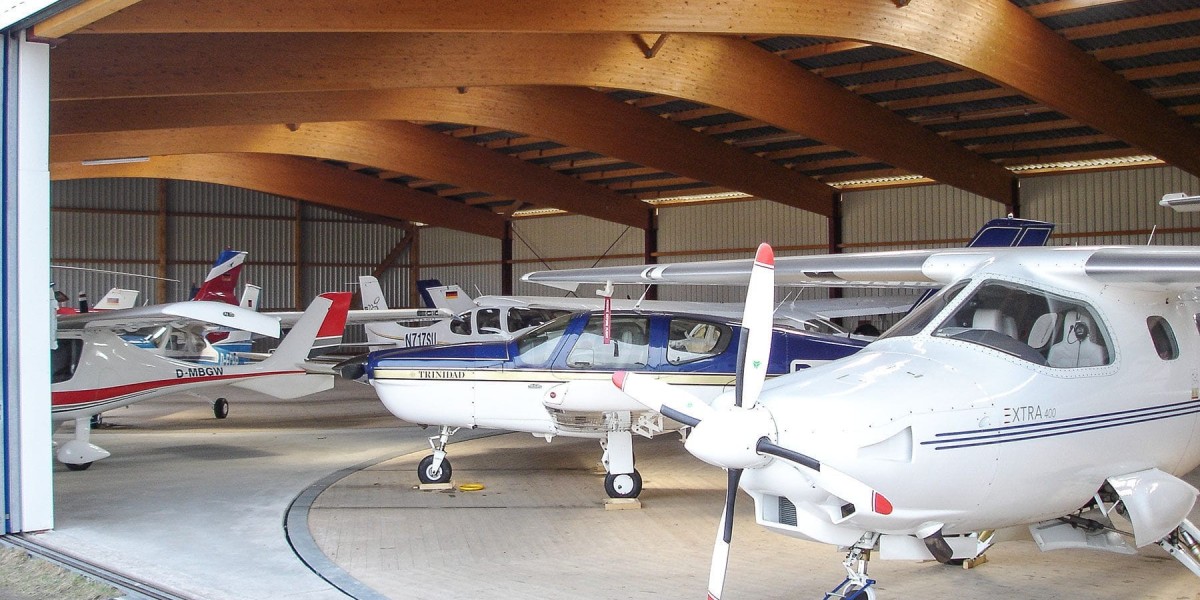

Owning an aircraft comes with more than just the excitement of flying. Proper storage is an important part of protecting the aircraft and making ownership more convenient. For many pilots and aircraft owners, purchasing an airplane hangar can be a smart long-term investment. Instead of paying monthly rent, owning a hangar can provide a permanent place to keep an aircraft while also creating a valuable aviation property asset.
Why Buy an Aircraft Hangar?
There are several reasons aircraft owners consider purchasing a hangar rather than renting one. The first is control. When you own a hangar, you have greater control over how the space is used, subject to airport and property regulations.
A hangar also provides protection from weather. Rain, snow, strong sunlight, wind, and changing temperatures can affect an aircraft over time. Indoor storage can help reduce exposure to these conditions and may make routine aircraft care easier.
Another benefit is long-term value. Depending on the airport and local market, a well-maintained hangar may retain or increase its value. Some owners also purchase hangars as aviation real estate investments rather than using them exclusively for their own aircraft.
Start With the Airport Location
Location should be one of the first things to consider when reviewing airplane hangars for sale. A hangar may look attractive on paper, but its value depends heavily on the airport and surrounding area.
Think about how often you fly and how convenient the airport is from your home or business. Check the airport's runway facilities, operating hours, fuel availability, maintenance services, and general activity.
It is also worth researching the airport's future plans. Improvements to runways, taxiways, terminals, or other facilities may affect the area's long-term appeal. At the same time, changes to airport operations or development plans could influence future property value.
Choose the Right Hangar Size
Aircraft owners should carefully compare the hangar dimensions with their aircraft specifications. Do not focus only on the floor area. Door height, door width, ceiling clearance, and taxi access can all affect whether an aircraft can be moved safely in and out.
Consider your current aircraft as well as your future plans. If you expect to upgrade to a larger aircraft, purchasing a slightly larger hangar today may make more sense than buying a space that only fits your current airplane.
Extra space can also be useful for aviation equipment, tools, spare parts, or other permitted items. However, airport rules may limit what can be stored inside a hangar, so always review the applicable regulations.
Understand the Ownership Structure
Not every hangar purchase works the same way. Some hangars are privately owned on leased airport land, while others may be part of a condominium-style aviation development. The ownership structure can affect taxes, fees, resale options, and responsibilities.
Before purchasing, ask for clear information about the land lease, remaining lease term, transfer requirements, and airport approval process. If the hangar is located on airport property, there may be specific rules that an owner must follow.
It is a good idea to review all documents carefully and consult qualified professionals when necessary. Understanding what you are actually purchasing can prevent surprises later.
Look Beyond the Purchase Price
The purchase price is only one part of the total cost of owning a hangar. Buyers should also consider property taxes, association fees, insurance, maintenance, utilities, and possible airport charges.
Older hangars may require roof repairs, door maintenance, electrical work, or other improvements. A professional inspection can help identify problems that are not obvious during a quick visit.
Think about the long-term cost rather than choosing a property based only on the initial price. A well-maintained hangar with modern systems may cost more upfront but could require fewer major repairs in the future.
Consider Hangar Features
The features included with a hangar can make a significant difference in its usefulness. Depending on the property, buyers may find features such as automatic hangar doors, electricity, lighting, heating, water, office areas, storage rooms, or security systems.
Aircraft owners should also check the condition of the hangar door. A door that is difficult to operate or requires frequent repairs can become an ongoing expense.
Security is another important consideration. Gated airport access, lighting, cameras, and controlled entry can provide additional protection for the aircraft and property.
Think About Future Resale Value
Even if you plan to keep the hangar for many years, it is smart to consider its future resale potential. Airport demand, location, available hangar space, aircraft activity, and local aviation growth can all influence value.
A hangar at a popular airport with limited available space may have stronger demand than a similar property at an airport with many vacant facilities.
When comparing airplane hangars for sale, consider both your immediate storage needs and the property's potential as a long-term aviation asset.
How Hangar Trader Can Help
Finding aviation property can be challenging when information is spread across different sources. Hangar Trader provides a dedicated marketplace for aviation enthusiasts, aircraft owners, airport operators, and other aviation professionals.
Hangar Trader was founded by Bruce Glenn in 2001 and has developed a platform focused on aircraft hangars and aviation real estate. The website provides resources for people interested in buying, selling, renting, and managing hangar properties.
For buyers, Hangar Trader can be a useful starting point when researching available hangar opportunities and learning more about the aviation property market. The platform also provides access to additional aviation-related services and resources.
Final Thoughts
Buying a hangar is a significant decision, but the right property can provide much more than aircraft storage. It can offer convenience, protection, greater control, and potentially long-term value.
Before purchasing, compare the airport location, hangar dimensions, ownership structure, condition, operating expenses, airport rules, and future resale potential. Take your time, inspect the property carefully, and make sure the purchase fits both your aircraft needs and your long-term plans.
For aircraft owners researching airplane hangars for sale, Hangar Trader provides a convenient place to begin exploring aviation property opportunities and related resources.
Phone Number: 888-357-8007