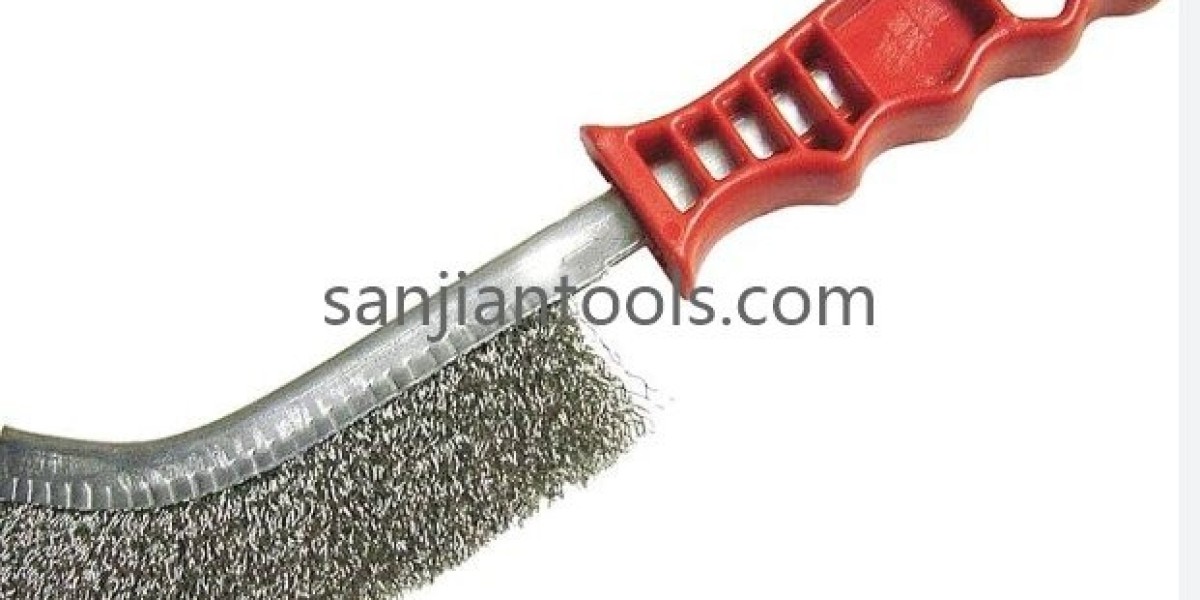

Wallpaper installation requires careful preparation and controlled handling to achieve a neat finish. After wallcovering material is positioned, installers need suitable tools to smooth the surface, guide the material into place, and reduce trapped air or visible creases. A Wallpaper Brush is commonly used for these tasks because its broad contact area and flexible bristles help distribute pressure across the wallcovering. The design, however, should match the wallpaper material and the working method to avoid unnecessary surface damage.
Bristle characteristics are central to the function of a wallpaper brush. The fibers need enough flexibility to follow the wall surface while providing sufficient support for smoothing movements. Bristles that are too stiff may create excessive friction or leave marks on sensitive wallcoverings. Extremely soft fibers may not provide enough control for certain installation tasks. Manufacturers therefore need to consider fiber material, length, density, and arrangement when developing products for different wallpaper types and decorating environments.
Synthetic fibers are frequently used in modern brush production because they offer flexibility in material selection and product design. Their characteristics can be adjusted through choices involving fiber shape, thickness, and length. Natural fibers may also be used in selected traditional brush designs. Each material has different handling characteristics, so manufacturers should define the intended application before finalizing the brush structure. Clear product positioning helps distributors explain which brush styles are suitable for particular decorating tasks.
The shape of the brush head affects how installers work across different areas. A broad, flat design can help smooth larger sections of wallpaper, while narrower shapes may offer better control around edges and detailed areas. The arrangement of the bristles should provide even contact across the working surface. A balanced brush head can help users maintain consistent movement without concentrating too much pressure in one area. The edge design should also be considered because poorly finished edges may interfere with precise work near corners or seams.
Handle design influences comfort and control during installation. Wallpapering often involves repeated brushing movements across vertical surfaces, so a practical handle should support a stable grip. Plastic handles are commonly used because they are lightweight and can be molded into different shapes. Wooden handles offer another option for customers who prefer traditional tool construction. Ergonomic contours and textured gripping areas may help users maintain control during longer decorating sessions. The connection between the handle and brush head should remain secure during normal use.
Different wallcovering materials can require different handling approaches. Traditional paper wallpaper, heavier wallcoverings, and delicate decorative finishes may respond differently to brushing pressure. Installers should follow the wallcovering manufacturer's instructions and use tools suitable for the specific surface. Testing the brush on a small or less visible area can help identify potential concerns before full installation. A suitable tool should support the installation process without damaging the printed design, texture, or surface finish.
Brush manufacturing quality affects both usability and product appearance. Uneven bristle distribution can lead to inconsistent surface contact, while loose fibers may interfere with the installation process. Manufacturers should pay attention to fiber fixing, brush head alignment, handle assembly, and finishing details. Quality inspections can help identify defects before products are packed for shipment. Consistency is especially important for wholesale customers who expect repeat orders to maintain similar construction and appearance.
For distributors and retailers, product presentation is also important. Wallpaper installation tools are often purchased alongside other decorating accessories, so clear packaging and practical product information can help customers understand their intended use. Individual packaging may be suitable for hardware stores and decorating retailers, while bulk packaging can support professional supply businesses. OEM customers may request custom handle colors, brand logos, printed labels, or packaging designs to align with their existing product collections.
Choosing a supplier requires attention to manufacturing capability and communication. Buyers should explain the target market, expected application, preferred brush shape, fiber characteristics, and packaging requirements. Samples can provide an opportunity to assess grip comfort, bristle flexibility, and overall construction before placing larger orders. A supplier that understands these requirements can help purchasing teams identify suitable products and coordinate customization more efficiently.
A practical Wallpaper Brush should offer balanced bristle flexibility, a suitable working shape, secure construction, and comfortable handling. These characteristics help decorators manage smoothing tasks across different wallcovering applications while supporting consistent working results. For wholesalers, retailers, and OEM buyers seeking decorating brushes and related products, the available Sanjian Tools product range can be explored at https://www.sanjiantools.com/product




