
A vehicle fire can begin with an electrical fault, fuel leakage, an overheated component, or damage following an accident. Having a suitable Car Fire Extinguisher inside a vehicle can provide an additional safety measure for certain small, early-stage fires. However, choosing the right unit requires more than looking at its size or price. Drivers should consider the extinguisher's fire rating, extinguishing agent, storage arrangement, and condition before relying on it during an emergency.
Why Should Every Driver Consider Keeping a Fire Extinguisher?
Cars contain several materials and systems that can contribute to a fire, including fuel, wiring, plastic components, upholstery, and lubricants. A mechanical or electrical problem may create an ignition source, while an accident can introduce additional risks.
A suitable portable extinguisher can be useful for an appropriate small fire, provided the situation is safe to approach. It should be treated as a precaution rather than a guarantee that a vehicle fire can be controlled. Protecting passengers and reaching a safe location must always come before protecting the vehicle.
Which Type of Fire Extinguisher Is Suitable for Cars?
The extinguisher should be selected according to the possible fire hazards inside the vehicle. Multipurpose dry chemical models with appropriate ratings are commonly considered for vehicle applications because certain models cover flammable-liquid and electrical fire risks.
Before purchasing, check the classification printed on the cylinder. A product's agent, rating, and intended applications are more important than its advertised description.
Electric and hybrid vehicles require additional consideration because high-voltage battery fires present different hazards. A conventional portable extinguisher should not be assumed capable of controlling a damaged traction battery.
What Size and Capacity Should You Choose?
The size of an extinguisher affects its weight, storage requirements, and available extinguishing agent. A very small unit may be convenient to carry, but its limited contents can restrict how long it discharges.
Drivers should choose a model they can safely handle while ensuring that its fire rating is suitable for the intended vehicle. Check the manufacturer's instructions, pressure indicator where fitted, and applicable vehicle safety requirements before making a decision.
How Do Quality and Certification Affect Your Selection?
A vehicle extinguisher should have clear product identification, readable operating instructions, reliable construction, and appropriate safety documentation. Buyers should examine the cylinder, valve, hose, nozzle, safety pin, and pressure indicator where applicable.
A low-priced product without verifiable specifications may not provide dependable protection. The supplier should be able to explain the extinguisher's fire classification, manufacturing details, servicing requirements, and any relevant certification.
Where Should You Keep a Fire Extinguisher Inside a Vehicle?
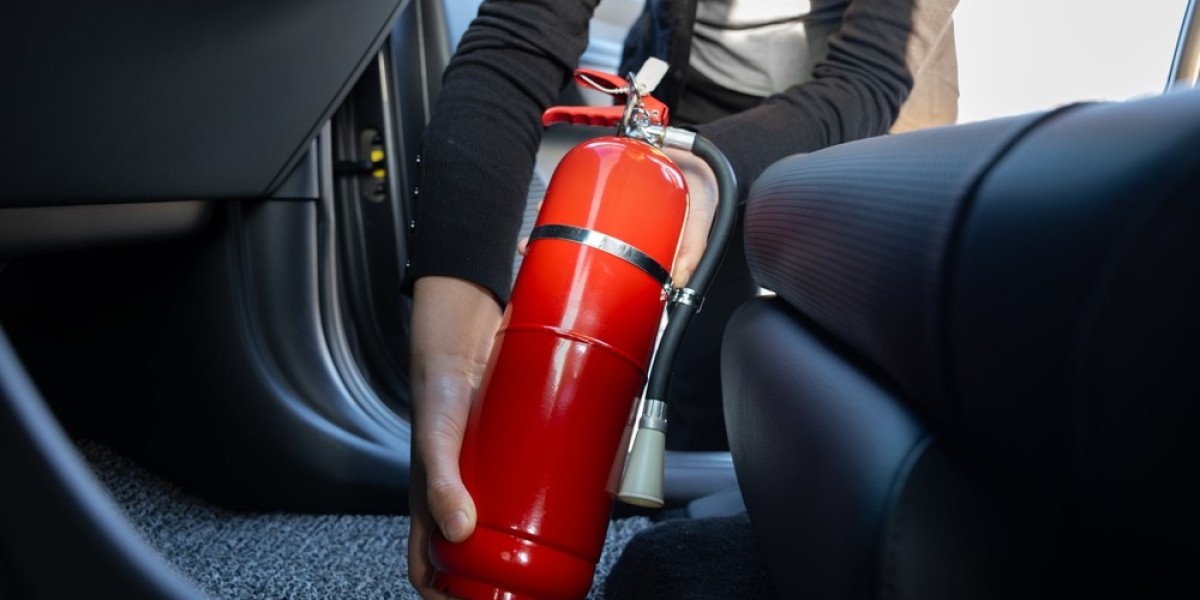
Storage location can determine whether an extinguisher is accessible during an emergency. It should be secured in a suitable mounting bracket, away from direct heat and positioned where the driver or another occupant can reach it without searching through luggage.
Avoid leaving the cylinder loose under a seat or in the boot where other items can block access. A properly secured unit also reduces the risk of it moving around during sudden braking or an accident.
What Other Safety Items Should Drivers Consider for Roadside Emergencies?
Fire protection is one part of vehicle preparedness. Drivers should also consider a first-aid kit, warning triangle, torch, reflective vest, and other items appropriate for their journeys.
For people who travel through flooded roads or work around wet roadside conditions, suitable gum shoes can also help keep footwear protected from water and mud. These items serve different purposes, but together they can support better preparation for unexpected roadside situations.
How Can You Check Whether Your Car Extinguisher Is Ready to Use?
An extinguisher can become unreliable through pressure loss, physical damage, corrosion, or poor maintenance. A quick check before a long journey can help identify visible problems.
Review these points:
- Confirm that the pressure indicator is within its marked operating range, if fitted.
- Check that the safety pin and tamper seal are intact.
- Look for dents, corrosion, leakage, or other visible damage.
- Ensure the nozzle and hose are clear and undamaged.
- Check the service information and manufacturer's maintenance instructions.
- Make sure the mounting bracket holds the cylinder securely.
If the extinguisher has been discharged, it should be professionally serviced or replaced according to the manufacturer's instructions before being relied upon again.
What Should You Do If Your Car Catches Fire?
Recognising when to leave the vehicle is more important than attempting to operate an extinguisher. If you notice smoke or flames, slow down, pull over somewhere safe, switch off the engine, and get everyone out.
Move a safe distance away from the vehicle and contact emergency services. Do not open the bonnet if you suspect an engine-compartment fire, because additional air can intensify the flames.
Only consider using an extinguisher if the fire is very small, the correct equipment is available, you are trained, and there is no risk to your escape. If the fire grows, smoke becomes heavy, or you are uncertain, leave the area immediately. Never return to a burning vehicle.
Frequently Asked Questions
1. Which fire extinguisher is best for a car?
A suitable multipurpose dry chemical extinguisher with an appropriate fire rating is a common option. Always check its classification and the manufacturer's vehicle-use guidance.
2. Is a small fire extinguisher enough for a vehicle?
It may be suitable for certain small fires, but capacity and fire rating matter. A small extinguisher cannot guarantee control of a spreading vehicle fire.
3. Where should a car fire extinguisher be installed?
It should be secured in an accessible mounting bracket, away from excessive heat and positioned so occupants can reach it safely.
4. Can a car extinguisher be used on an electrical fire?
Only if its label confirms that it is suitable for the relevant electrical fire hazard, follow the manufacturer's instructions and avoid approaching exposed or high-voltage electrical components.
5. How often should a vehicle fire extinguisher be inspected?
Follow the manufacturer's inspection and servicing schedule. Check its visible condition and pressure indicator where fitted, and arrange professional servicing when required.
6. Are fire extinguishers required in vehicles in Pakistan?
The National Highways and Motorway Police has issued vehicle fire-safety instructions concerning functional extinguishers, including requirements and enforcement announcements for public-service and other vehicle categories. Drivers should check the latest NHMP directions and applicable vehicle regulations for their particular vehicle type.
Conclusion
The best vehicle extinguisher is one that matches the likely fire hazards, carries an appropriate rating, and remains accessible and properly maintained. Drivers should not select equipment based on price or compact size alone. Regular vehicle servicing, safe storage, and awareness of emergency procedures are equally important. A suitable extinguisher can support road preparedness, but passenger evacuation and personal safety must always remain the first priority.