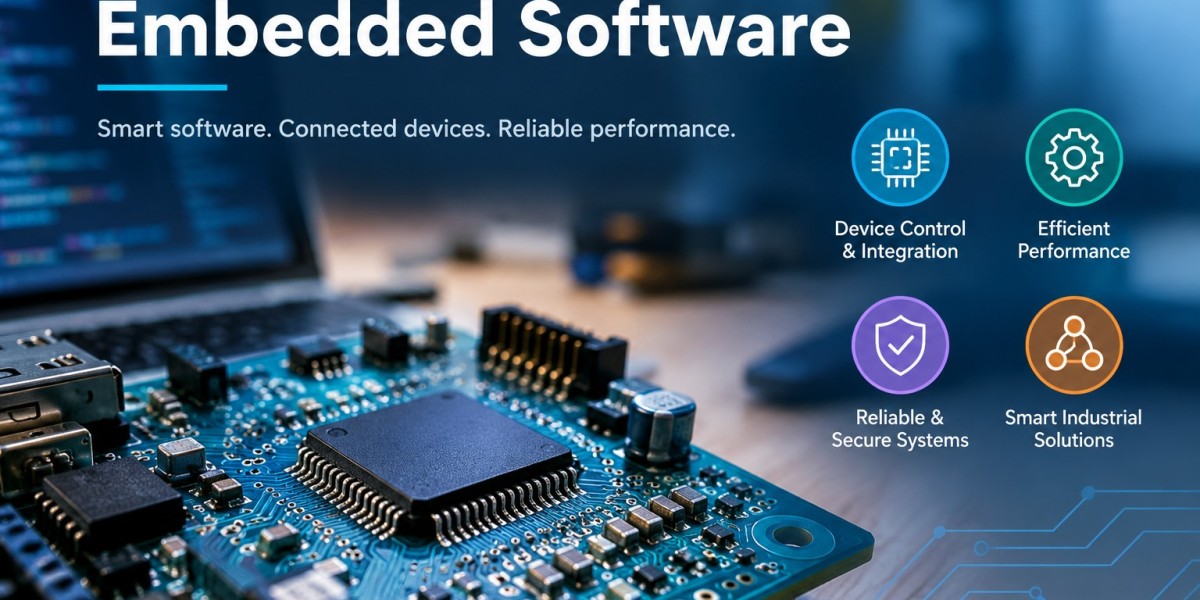

Technology is changing the way people interact with electronic products, industrial equipment, and automated systems. Many modern devices can collect information, respond to user commands, and perform tasks automatically. Behind these capabilities is Embedded Software, which controls the operation of electronic hardware and enables products to deliver specialized functions.
How Embedded Software Powers Modern Technology
Electronic hardware provides the physical components of a device, but software determines how those components work together. Embedded software connects sensors, processors, memory, communication interfaces, and output devices to perform specific operations.
For example, a smart irrigation controller can use sensor readings to determine when watering is needed. An industrial monitoring device can collect equipment data and send it to a central monitoring platform. In both cases, embedded software processes information and coordinates the device's response.
Depending on the product, the software may run directly on a microcontroller or use a more powerful processor with an operating system. The design must match the device's functionality, resource limitations, and performance requirements.
Supporting Innovation in Product Development
Product developers must balance functionality, cost, reliability, and ease of use. Embedded software helps manufacturers introduce automated features without requiring continuous manual operation.
During product development, engineers define the required functions and determine how the software will interact with the selected hardware. They then develop the program, integrate the components, and test whether the complete product meets its requirements.
A well-planned development process can make it easier to introduce new features, troubleshoot defects, and maintain the product over time.
For example, a home appliance manufacturer may use embedded software to introduce multiple operating modes, improve energy management, and provide better control over device functions. These capabilities can help create a more convenient user experience.
Applications of Embedded Software in Connected Devices
Connected devices combine embedded processing with communication technologies. They can exchange information with other devices, local networks, or cloud platforms, depending on their design.
Smart Home Technology
Smart lighting, thermostats, security systems, and connected appliances use embedded software to process commands and manage device functions. Some products can also communicate with mobile applications or home automation platforms.
Industrial Monitoring
Industrial sensors and monitoring devices collect information about equipment conditions. Embedded software processes measurements and may transmit the data to monitoring systems for further analysis.
Wearable Electronics
Wearable products can use embedded software to manage sensors, displays, wireless communication, and power consumption. Their design often requires careful attention to size, battery life, and processing efficiency.
Automotive Systems
Vehicles use embedded software in electronic control units, infotainment systems, diagnostic equipment, and driver assistance technologies. Each application has specific performance, testing, and reliability requirements.
Smart Energy Management
Embedded controllers can monitor electrical parameters and manage selected energy-related functions. Depending on the application, they may support equipment monitoring, power management, or communication with energy management platforms.
These examples show how embedded software can be adapted to products with different functions and technical requirements.
Key Factors in Developing High-Quality Embedded Software
Developing effective embedded systems requires careful attention to several factors.
Hardware compatibility: Software must work correctly with the selected processor, sensors, peripherals, and communication interfaces.
Efficient resource usage: Developers need to manage memory, processing power, and energy consumption according to the device's limitations.
Reliable operation: Software should handle expected inputs and operating conditions while responding appropriately to errors.
Security: Connected devices need suitable protection against unauthorized access and insecure communication.
Maintainability: Clear code structure and documentation make future improvements and troubleshooting easier.
Testing and validation: Engineers should verify that individual components and the complete device meet the specified requirements.
These considerations help teams create products that are practical to manufacture, maintain, and use.
Understanding the Embedded Software Development Process
The development process usually begins with requirement analysis. Engineers identify the device's functions, performance expectations, hardware limitations, and operating environment.
The next stage involves selecting the hardware platform and software architecture. Developers then write the code, configure required interfaces, and integrate the software with the physical components.
Testing is performed throughout the process. Unit tests evaluate individual modules, integration tests check communication between components, and system tests examine the complete product under relevant conditions.
Debugging tools and hardware testing equipment help identify problems that may not appear during basic code reviews. For connected products, developers should also test communication behavior, security controls, and firmware update procedures where applicable.
After deployment, maintenance activities may include correcting defects, improving performance, and addressing security vulnerabilities.
Challenges Faced by Development Teams
Embedded software development can involve limited memory, processing constraints, complicated hardware interfaces, and strict timing requirements. Communication problems between components may also affect the system's behavior.
Another challenge is maintaining security and compatibility throughout the product's lifespan. Devices may need updates as software vulnerabilities are discovered or connected technologies change.
Teams can address these challenges by documenting requirements, testing early, using suitable development tools, and coordinating hardware and software design decisions. A modular architecture can also simplify troubleshooting and future modifications.
The Future of Embedded Software
Emerging technologies are creating new opportunities for embedded systems. Artificial intelligence at the edge, advanced sensors, improved processors, and connected industrial equipment are enabling devices to perform more complex functions.
Edge computing allows certain information to be processed directly on a device instead of sending every measurement to a remote server. Depending on the application, this can reduce communication delays and support local decision-making.
However, these developments also introduce additional requirements for processing capacity, security, power management, and software maintenance. Developers must evaluate whether advanced features provide practical benefits within the available hardware resources.
As connected technology continues to develop, efficient and reliable embedded software will remain important for building useful electronic products.
Conclusion
Embedded software is a key part of modern product engineering. It enables electronic devices to control hardware, process information, communicate with other systems, and perform specialized tasks automatically.
From smart home products and industrial monitoring equipment to automotive electronics and wearable devices, embedded systems support innovation across multiple industries. Successful development depends on suitable hardware integration, efficient programming, thorough testing, and ongoing maintenance.
By focusing on real product requirements and long-term reliability, businesses can use Embedded Software to develop intelligent devices and support future technological advancements.




