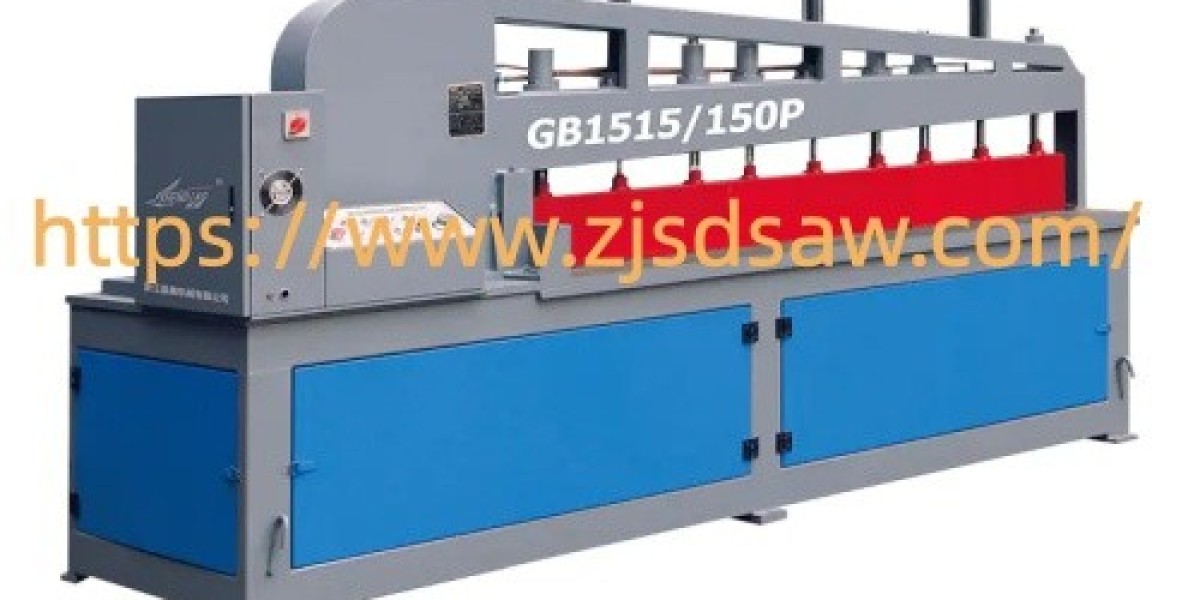

Semi-Automatic Metal Cutting Band Saw Machine selection requires buyers to look beyond the purchase price and consider how the equipment will perform in their actual production environment. Material dimensions, cutting schedules, operator experience, and workshop space all influence the decision. For manufacturers handling steel profiles, metal bars, pipes, and other industrial materials, a suitable sawing solution should match daily workloads while remaining practical to operate and maintain.
Before contacting a supplier, buyers should prepare a clear picture of their production requirements. Start with the materials processed most frequently. Carbon steel, stainless steel, aluminum, and other alloys can require different blade specifications and operating parameters. The dimensions and shapes of workpieces also matter. Round bars, square profiles, rectangular sections, and bundled materials may call for different clamping arrangements or working capacities. A detailed material list helps narrow the available configurations and makes supplier discussions more productive.
Cutting capacity deserves careful attention. Buyers should check the maximum workpiece dimensions supported by the proposed model, including diameter, width, and height where applicable. It is also useful to consider the smallest pieces regularly handled in production. A unit that accommodates occasional large components may not necessarily suit a workshop that processes smaller sections throughout the day. Reviewing real production samples can help buyers compare equipment specifications with actual operating needs.
Operating method is another important consideration. Semi automated equipment combines selected powered functions with operator involvement, allowing businesses to balance process control and production requirements. Buyers should ask which actions are performed automatically and which require manual input. Material clamping, blade movement, feed control, and workpiece positioning deserve particular attention. Clear controls and accessible adjustment points can make routine tasks easier for operators, especially when production orders involve different dimensions or materials.
Blade selection should be discussed before an order is confirmed. Blade width, tooth pitch, material compatibility, and operating speed can influence surface finish, service life, and processing time. A fine tooth arrangement may suit certain thin sections, while thicker workpieces can require a different configuration. Buyers should also ask about replacement blade availability and the recommended procedures for installation and tension adjustment. These details affect routine maintenance and help production teams prepare suitable consumables in advance.
Another factor is the consistency of finished components. When a workshop produces parts for assembly, repeated dimensions can simplify downstream operations. Buyers should therefore review the clamping structure, positioning method, and available adjustment features. If several pieces must be prepared to the same length, ask how the equipment supports repeatable positioning and how operators can verify measurements during a production run. A practical demonstration using representative workpieces can reveal details that a specification sheet may not fully explain.
Workshop layout should not be overlooked. The equipment needs sufficient space for loading long materials, removing finished pieces, accessing controls, and performing maintenance. Electrical requirements, coolant arrangements where applicable, chip collection, and material support should also be considered. Safe working procedures must remain part of the planning process. Operators need suitable training, appropriate protective equipment, and a clear understanding of the manufacturer instructions before using the equipment.
Maintenance arrangements can influence long term operating costs. Ask how frequently routine inspections are recommended, which components require regular attention, and whether commonly used spare parts are available. Buyers should also clarify the warranty terms, installation support, technical documentation, and response process for service enquiries. These questions are particularly relevant to factories where unexpected downtime can affect delivery schedules and coordination with other production departments.
As a manufacturer of industrial sawing equipment, Chendiao provides buyers with a point of contact for discussing application requirements and possible equipment configurations. A productive enquiry should include material type, workpiece dimensions, expected daily volume, preferred operating method, and any special production constraints. This information allows the technical team to evaluate the application more clearly and discuss suitable options rather than relying on assumptions.
The final purchasing decision should reflect actual production conditions instead of focusing on one specification alone. Buyers who compare capacity, operating functions, blade requirements, maintenance access, and service arrangements can make a more informed assessment of available models. Preparing these details also helps shorten communication with suppliers and reduces the chance of overlooking essential requirements during installation.
For workshops planning new equipment purchases or updating existing production processes, working directly with an experienced manufacturer can make technical discussions more straightforward. Chendiao welcomes enquiries about industrial sawing applications, equipment specifications, and configuration requirements. Visit https://www.zjsdsaw.com/ to review the company product range and discuss a solution suited to your materials, workshop conditions, and production plans.