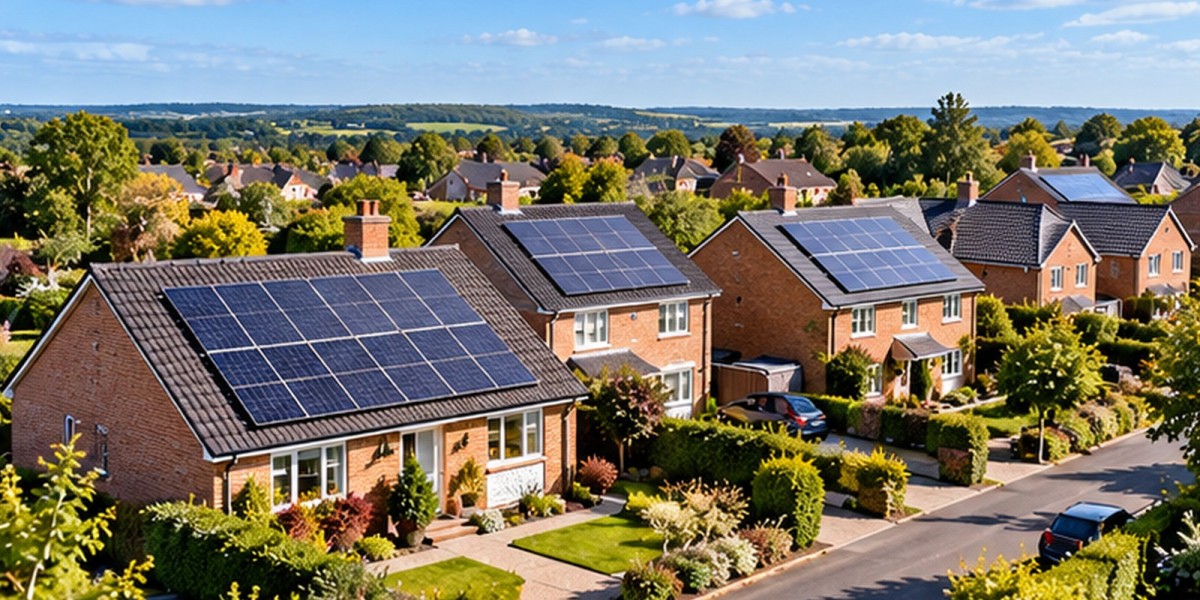

If you are considering solar electricity for your home, one of the most practical questions is how many panels you should install. The answer is not simply based on the number of bedrooms: households of similar sizes can use very different amounts of electricity.
A professionally designed residential solar panel installation considers your energy use, roof conditions and budget before recommending the number and capacity of panels.
What Determines the Number of Panels?
A solar system's size is often described in kilowatts peak (kWp), which represents its rated output under standard test conditions.
For example, a 4.5 kWp array could contain ten 450 W panels, although actual panel ratings and configurations vary. The annual electricity generated depends on location, roof orientation, shading and seasonal sunlight rather than the rated capacity alone.
Start with Your Electricity Consumption
Review your recent electricity statements to estimate how many kilowatt-hours (kWh) your household uses in a year.
Consider whether you use more electricity during the day or the evening. Solar panels generate during daylight hours, so the amount of power you can use at the time it is produced influences the financial benefit.
An installer can use your consumption information to develop a realistic system recommendation instead of choosing a panel count solely from the floor area of your property.
How Much Roof Space Is Available?
Usable roof space determines where panels can safely fit. Chimneys, roof windows, dormers and shaded areas can limit the number of panels on a particular roof slope.
South-facing roofs often provide good annual production, while east- and west-facing arrays may also be worthwhile. The structural condition of the roof and the proposed mounting system must be checked before fitting equipment.
Should You Install the Maximum Number Possible?
Not necessarily. Extra capacity could increase annual generation, but it also adds cost. Some homeowners may be able to export surplus electricity, subject to eligibility and network requirements.
The best decision balances installation cost, expected self-consumption, export arrangements and your future plans. A large array is not automatically the right financial choice for every home.
Plan for Future Electricity Needs
A household that expects to buy an electric vehicle, install a heat pump or spend more time working from home may benefit from reviewing future electricity demand now.
However, anticipated changes should be supported by reasonable estimates rather than guesses. Your installer can help assess whether additional panel capacity is practical and how it would affect the total project cost.
Final Thoughts
The right solar panel count is the one that suits your roof, lifestyle and energy goals. A tailored assessment is more useful than a one-size-fits-all recommendation.
Eco Energy Services offers residential solar PV solutions designed around individual properties. Explore a personalised assessment to understand the system size and panel layout that could be suitable for your UK home.